Alaska Builder Buydown Incentives 2026: What to Know
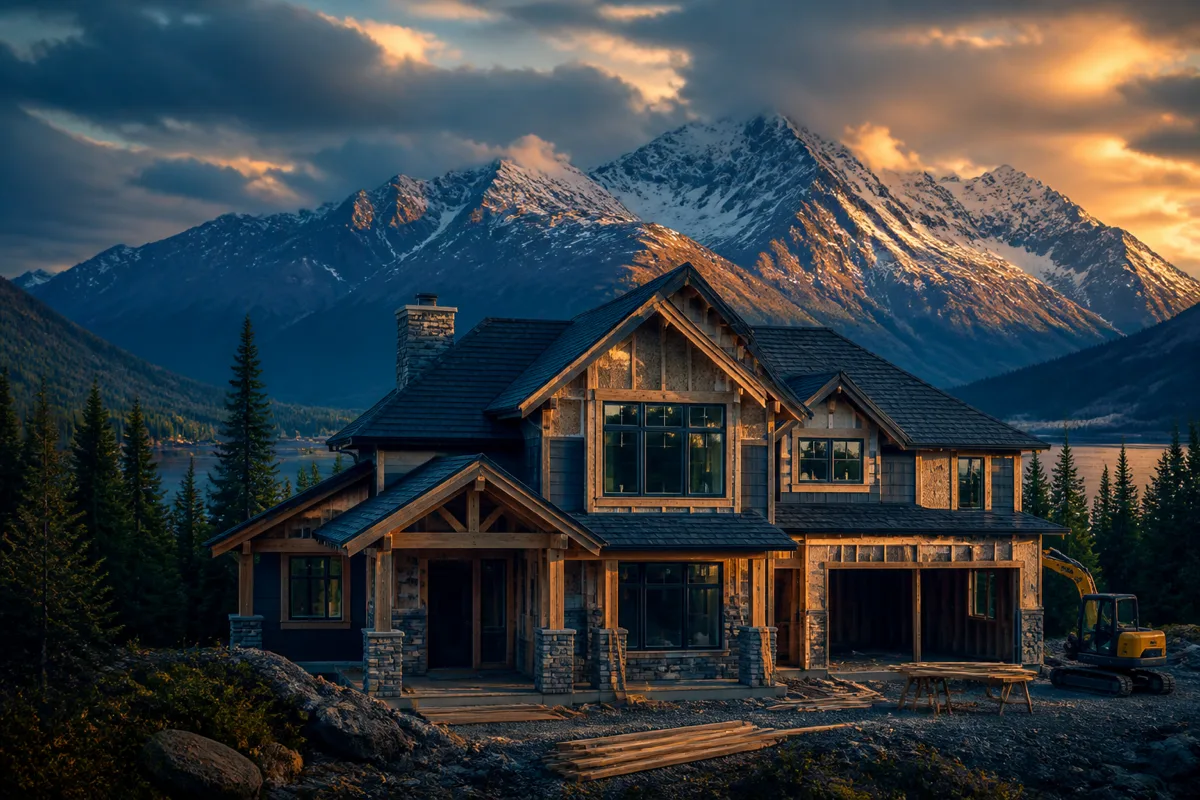
Builders in Anchorage, Wasilla, and Palmer are increasingly offering rate buydowns as a closing incentive on new construction — sometimes worth more to a buyer than a price cut. Understanding how builder buydowns actually work helps you evaluate whether the incentive is real value or a marketing number.
Builder Buydown vs. Seller Concession
A builder buydown is a specific type of seller concession where the builder pays money — either to the lender directly or into an escrow account — to reduce the buyer’s interest rate, either temporarily or for the life of the loan. It’s functionally similar to a seller concession on an existing home sale, but builders often structure it more aggressively because they have built-in margin and a strong incentive to close inventory before winter or fiscal year-end.
Two structures dominate the Alaska new-construction market right now:
Temporary buydowns (2-1 or 3-2-1): The builder funds a subsidy that lowers your effective rate by 2% in year one and 1% in year two (2-1), or 3%/2%/1% over three years (3-2-1), before it returns to the note rate. This is the more common structure because it costs the builder less upfront while still lowering the buyer’s initial payment during the years they’re most cash-strapped after a purchase.
Permanent buydowns: The builder pays discount points to permanently lower the rate for the life of the loan. More expensive for the builder to fund, so it’s typically reserved for larger developments trying to move volume or specific unsold spec homes that have been sitting.
What This Actually Saves You
On a $450,000 loan at a 7% note rate, a 2-1 buydown might drop your effective rate to roughly 5% in year one and 6% in year two — a meaningful reduction in your monthly payment during the years right after a big move, when moving costs, new furniture, and unfamiliar heating bills are all hitting at once. The tradeoff: your payment jumps back to the full note rate in year three, so you need to qualify for the loan at the full rate, not the subsidized one — lenders underwrite this way specifically to prevent payment shock surprises.
Buydown vs. Price Reduction — Which Is Better?
Builders often present buyers with a choice: take the rate buydown, or take an equivalent dollar amount off the purchase price instead. There’s no universal right answer, but a few factors tip the scale:
- If you plan to refinance within 2-3 years (rates drop, or you want to remove PMI), a price reduction is usually worth more since you won’t fully benefit from a temporary buydown before refinancing away from it.
- If you’re staying long-term and rates are currently elevated, a permanent buydown or a larger price reduction both have merit — run the break-even math with your loan officer.
- A lower purchase price also lowers your property tax basis in most Alaska boroughs, which is a smaller but real ongoing benefit a rate buydown doesn’t provide.
AHFC Stacking Considerations
If you’re using an AHFC First Home or First Home Limited loan, ask specifically whether the builder buydown is compatible with AHFC’s rate structure — AHFC loans already come with below-market rates for qualifying buyers, and builder-funded buydowns are typically layered on top through a temporary subsidy escrow rather than through AHFC’s own rate-setting mechanism. Your loan officer needs to confirm the builder’s escrow structure is compatible with AHFC’s servicing requirements before you count on both.
Questions to Ask the Builder
- Is this a temporary or permanent buydown, and what’s the exact rate schedule year by year?
- What happens to the buydown funds if I sell or refinance before the subsidy period ends? (Often forfeited, sometimes partially refunded.)
- Is the buydown contingent on using the builder’s preferred lender, or can I bring my own?
- Does the buydown affect my ability to also negotiate closing cost credits?
That last point matters — builders sometimes present the buydown as their only concession, when in reality closing costs are separately negotiable.
Considering new construction and want to compare a builder buydown against your options through Premier Mortgage (NMLS# 1168048)? A quick quote shows you the real numbers side by side.
Frequently Asked Questions
Can I use a builder buydown with an FHA or VA loan in Alaska?
Yes, both FHA and VA loans permit seller/builder-funded temporary buydowns, subject to program-specific limits on how much of the purchase price can go toward seller concessions. Confirm the specific concession cap for your loan type with your lender before finalizing the purchase contract.
Do I have to use the builder’s preferred lender to get the buydown?
It depends on the builder. Some structure the incentive as portable to any lender; others tie it exclusively to their in-house or preferred lender relationship. Always ask this before assuming you can shop the loan.
What happens to unused buydown funds if I refinance early?
This varies by builder and escrow agreement — some forfeit unused subsidy funds to the lender, some apply them toward your principal balance, and some structures don’t allow early refinance without penalty during the subsidy period. Get this in writing before closing.
Is a builder buydown better than a lower interest rate from a different lender?
Not necessarily — always compare the total cost of the loan (rate, points, and the buydown’s dollar value) against a competing lender’s straight rate quote. A temporary buydown that reverts to a high note rate in year three can cost more over the life of the loan than a slightly higher permanent rate from a different lender.
Do builder buydowns affect my debt-to-income ratio calculation?
Lenders qualify you based on the full note rate, not the temporarily reduced payment, specifically so the buydown doesn’t let you qualify for more house than you can actually afford once the subsidy expires.
Ready to Take the Next Step?
Get a free home loan quote today through our trusted partner.
Or call 9078411600
Disclaimer: This article is for informational purposes only and does not constitute financial, mortgage, legal, or tax advice. Interest rates, loan programs, eligibility requirements, and fees are subject to change without notice and may vary based on your individual circumstances. Alaska Home HQ is not a lender, broker, or financial institution. All loan applications are processed by Premier Mortgage (NMLS: 1168048). We may have a business relationship with Premier Mortgage and may receive compensation when you use their services through our links. Consult a licensed mortgage professional before making financial decisions. Terms of Service · Privacy Policy