HOA CCR Violation Mortgage Alaska
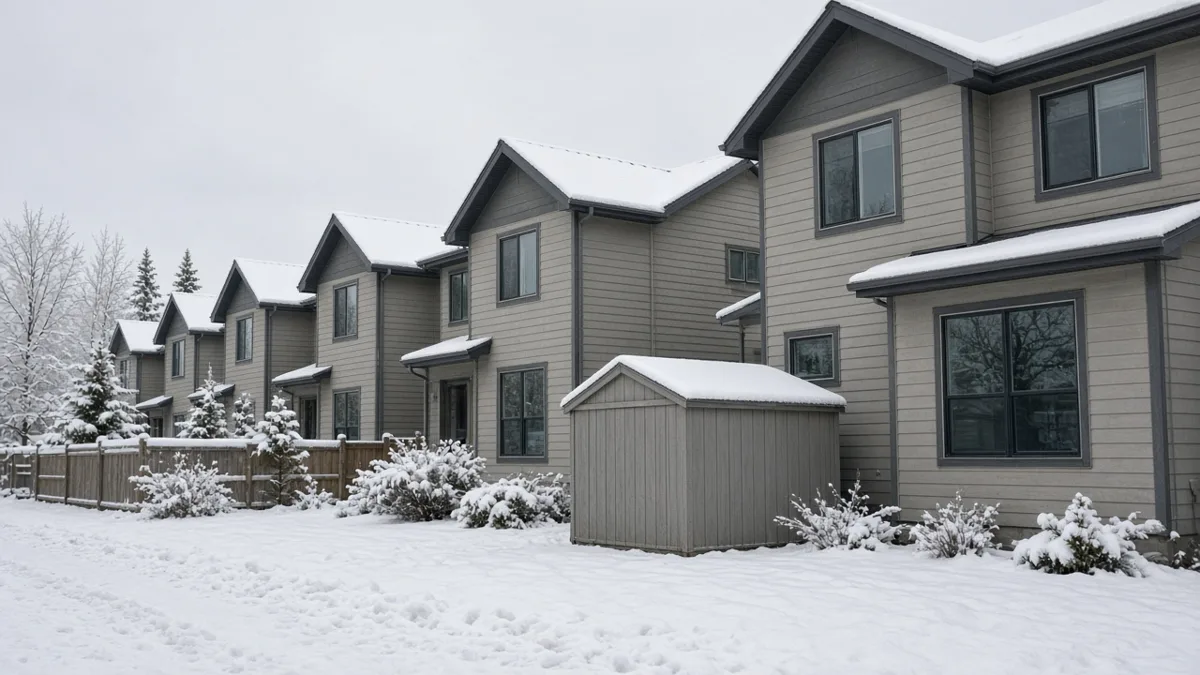
An HOA CCR violation mortgage Alaska file is a condo or a planned unit with an open breach of the covenants, and a lender or the association that will not ignore it through closing. Alaska Home HQ is educational. It is not the association and it is not a lender. Subject to credit approval. The resale packet as a whole is the condo resale certificate. A special assessment is its own page. This page is the uncured violation.
What counts as open
Covenants are the rules recorded against the project. A violation is a breach someone has written down: an unapproved fence, a rental over the cap, a commercial use in a residential unit, rotting stairs the owner was told to fix, a junk vehicle, an addition that never got board consent. “The neighbors do it too” is not a cure. The letter from the association, or the line on the resale estoppel that says violations are outstanding, is the fact.
If the estoppel says “none,” and you can see the breach from the curb, do not rely on the word none. Ask the manager to confirm in writing after you describe what you see. A clean estoppel that is wrong becomes your problem when the next letter arrives after you own the unit. In Anchorage townhouse projects this shows up as storage, parking, and short-term rentals. The listing will not mention the letter in the seller’s drawer.
The seller cures it, or the contract gives you a credit and a plan the lender accepts, or you do not close. Many lenders will not fund a unit with an open association violation because the violation can become a lien, a fine, or a lawsuit that attaches to the collateral. Fines that are already assessed belong on the payoff. A violation with no dollar amount yet is still a condition if the commitment says it must be cleared.
How it hits the loan
The reviewer reads the questionnaire and the resale certificate, not the listing. If those documents flag a violation, underwriting will ask for a clearance letter dated near closing. The letter should say the specific issue is resolved, not that the owner is “working on it.” A fence that still stands, with a promise to remove it in June, is not cleared in April.
Dues, reserves, and this violation are three lines. Thin reserves do not cure a violation, and a cured violation does not fill a reserve account. Do not let a seller bundle them into “HOA stuff is fine.” Your housing payment includes the dues. The violation is a title and collateral issue. Insurance rarely cares about a covenant breach unless the breach is also a physical hazard, like a deck the association condemned. Then you have a repair condition and a covenant condition. Fix both. Photos after the repair go to the lender and, if they asked, to the association.
Buyers in Eagle River and Anchorage should read the rules against the way they live before they fall in love with the unit. A violation the seller is curing so they can sell is a snapshot. A rule you will break next month is the next letter, in your name. The loan can close and the fine can still be yours.
If the association will not issue a clearance because the board meets once a quarter, that calendar is the closing calendar. Put it in the contract. A rate lock that dies while you wait on a meeting is an expensive way to learn the board’s schedule.
Fines that accrue by the day belong in the payoff math. Ask the association for a per-diem or a statement that fines stop when the cure is accepted. A clearance letter dated after the fines were frozen is what you want on the settlement statement. A letter that clears the fence and a ledger that still adds fifty dollars a day will not match, and the closer will hold the signing. Get both pieces from the same manager.
If you plan to rent the unit, read the rental cap and the waiting list before you cure someone else’s violation and then discover you cannot rent. The cure gets the seller to the closing. The rule decides your use the next month. Investors who buy a unit that was illegally rented, cure nothing, and hope the board will not notice are buying an enforcement action. Lenders who see an illegal rental in the file may also treat the unit as a different occupancy than you claimed. Tell the truth about how you will use it. The violation letter is a bad place to start a misstatement.
Architectural approval for a future change is a separate letter from a clearance of the seller’s violation. If you need both, ask for both. A clearance that the illegal shed came down does not approve the deck you want to add. Boards that meet rarely should see both requests in one packet so you are not waiting two quarters. Put the board date in the closing calendar next to the lender’s condition date. The later of the two is the real closing. A rate lock sized to the lender alone will expire in the gap. Extend it when you know the board date, or do not lock yet.
Keep a copy of the violation letter, the cure photos, and the clearance in the same folder as the resale packet. You will want them if you sell. The next buyer’s lender will ask whether any violation was open in the past year. A clearance you cannot find becomes a new delay in your own sale. The work you do now is the file that makes the next closing ordinary.
A violation cured without photos will be re-argued. Date the photos. A phone picture with a timestamp is enough if the clearance letter cites the same issue.
Ready to see whether an open covenant letter blocks a loan? Premier Mortgage (NMLS# 1168048) can read it with the resale packet. Subject to credit approval.
Frequently Asked Questions
Can I close with an uncured HOA violation?
Often no. Lenders want a clearance letter that the specific breach is resolved. A promise to fix it after a spring project is not clearance. Fines already billed should be on the payoff.
Is this the same as low reserves?
No. Reserves are the association’s savings. A violation is a breach by the unit. Either one can stall a review. One does not fix the other.
What if the estoppel says there are no violations and I can see one?
Ask the manager to confirm in writing after you describe it. A wrong estoppel does not stop the next enforcement letter. You want the letter corrected before you own the unit.
Who pays to cure it?
Whoever the contract names, and the work has to be done on a timeline the lender accepts. Put the board’s meeting date on that timeline if the association has to approve the cure.
Ready to Take the Next Step?
Get a free home loan quote today through our trusted partner.
Or call 9078411600
Disclaimer: This article is for informational purposes only and does not constitute financial, mortgage, legal, or tax advice. Interest rates, loan programs, eligibility requirements, and fees are subject to change without notice and may vary based on your individual circumstances. Alaska Home HQ is not a lender, broker, or financial institution. All loan applications are processed by Premier Mortgage (NMLS: 1168048). We may have a business relationship with Premier Mortgage and may receive compensation when you use their services through our links. Consult a licensed mortgage professional before making financial decisions. Terms of Service · Privacy Policy