Alaska Cooperative Housing Financing Guide
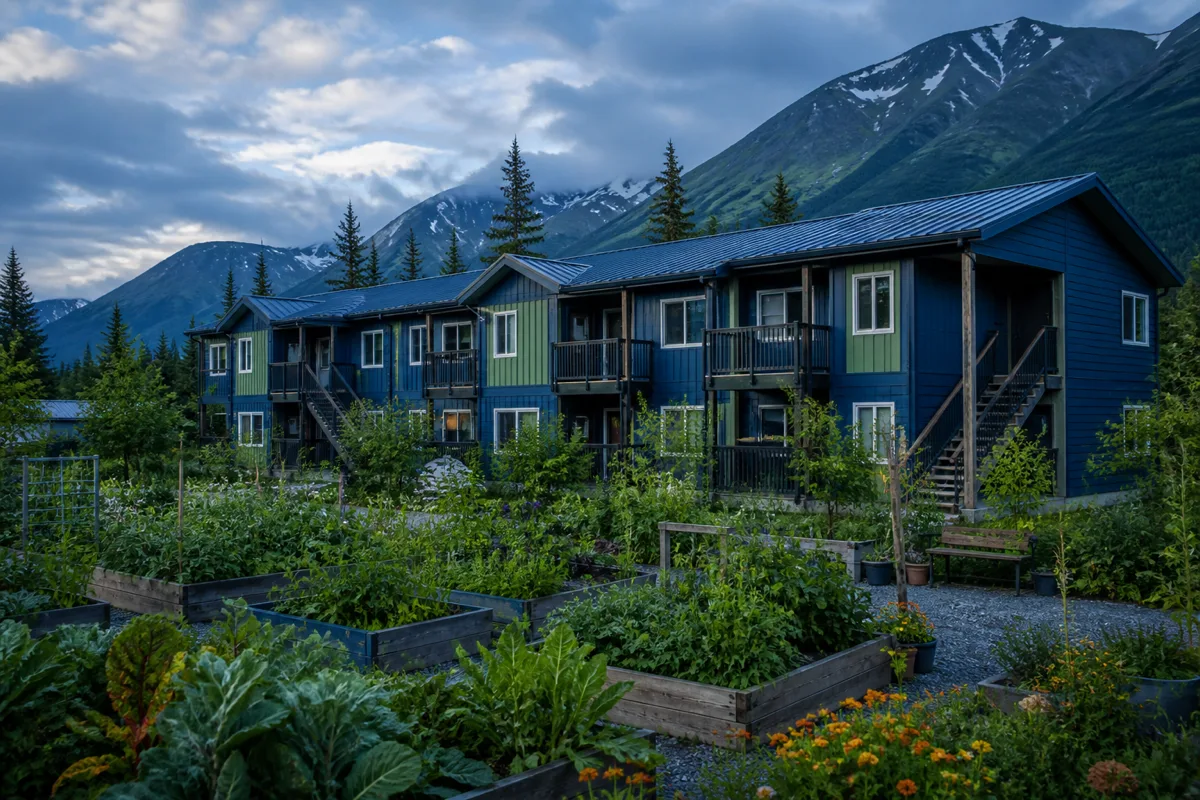
Cooperative housing is uncommon in Alaska compared to standard condos and single-family homes, but it exists in some communities — and financing a co-op works differently enough from a typical mortgage that it trips up buyers unfamiliar with the structure.
What Makes a Co-op Different
In a housing cooperative, you don’t own real property directly. Instead, the cooperative corporation owns the building and land, and you purchase shares in that corporation, which entitle you to a proprietary lease giving you the right to occupy a specific unit. This is a fundamentally different legal structure than owning a condo or single-family home, and it changes how financing works from the ground up.
Because you’re buying shares rather than real property, a standard mortgage — which is secured by real estate — doesn’t directly apply. Instead, financing a co-op purchase uses a share loan (sometimes called a co-op loan), secured by the shares and the proprietary lease rather than by a deed to real property.
Finding a Lender for Share Loans
This is the biggest practical hurdle for Alaska co-op buyers: not every lender offers share loans, and the pool of lenders comfortable underwriting them in Alaska specifically is smaller still. Some larger banks and specialty lenders with co-op lending programs (more common in markets with a larger co-op presence, like parts of the Lower 48) may originate loans for well-documented Alaska cooperatives, but expect a more limited shopping list than you’d have for a standard mortgage.
Start by asking the cooperative’s board or management for a list of lenders who have previously financed purchases within that specific co-op — an established relationship between a lender and a particular cooperative significantly smooths the process, since the lender already has the co-op’s financial documents and governing rules on file.
What Underwriting Looks At
Share loan underwriting evaluates both the borrower and the cooperative itself:
- Borrower: credit, income, debt-to-income ratio — similar to standard mortgage underwriting
- The cooperative’s financial health: reserve funds, any underlying blanket mortgage the co-op corporation carries on the building, delinquency rates among other shareholders, and the co-op’s overall budget
- The proprietary lease terms: transfer restrictions, subletting rules, and board approval requirements for a sale, all of which affect the lender’s risk assessment since they affect resale liquidity
A cooperative carrying a large underlying blanket mortgage, or with a history of shareholder delinquencies, represents more risk to a share-loan lender — this can affect your rate, required down payment, or in some cases whether the lender will finance the purchase at all.
Down Payment and Rate Expectations
Share loans commonly require higher down payments than standard mortgages — the reduced liquidity of shares versus real property, along with fewer lenders competing for this business, generally translates to more conservative underwriting. Rates can also run somewhat higher than comparable conventional mortgage rates, reflecting the smaller, less standardized market for this loan type.
Board Approval Adds a Step
Most cooperatives require prospective buyers to be approved by the co-op’s board before the sale can close — a step that doesn’t exist in a standard home purchase. This can add time to your transaction and, in rare cases, introduce risk that a financially and personally qualified buyer is still declined by the board for reasons related to fit within the community, subject to the co-op’s own governing documents and any applicable fair housing law limits on board discretion.
Is a Co-op Right for You in Alaska?
Given how rare cooperative housing is in Alaska relative to condos and single-family homes, most buyers encounter this structure only in specific communities where it exists historically. If you’re specifically drawn to a co-op’s pricing, community structure, or a unique building, go in understanding the financing path is narrower and the timeline may be longer than a conventional purchase — but it is financeable with the right lender relationship. For most buyers evaluating financing options more broadly, comparing against Alaska condo master insurance and financing considerations helps clarify how a more common ownership structure would differ.
Exploring a cooperative housing purchase in Alaska? Premier Mortgage (NMLS# 1168048) can help identify appropriate financing paths for less common ownership structures.
Frequently Asked Questions
Is a co-op share loan the same as a mortgage?
No — a share loan is secured by your shares in the cooperative corporation and your proprietary lease, not by a deed to real property, since you don’t own real estate directly in a co-op structure. The underwriting process is similar in spirit but the legal mechanics differ.
Can I get an FHA or VA loan for a co-op in Alaska?
FHA and VA have limited co-op financing programs in some markets, but availability depends heavily on whether the specific cooperative and lender participate in these programs. Given how rare co-ops are in Alaska, confirm directly with a lender whether government-backed co-op financing is realistically available for the specific property.
Why do co-ops require board approval to buy in?
It’s a standard feature of cooperative housing structures nationally, rooted in the corporation’s interest in ensuring shareholders can meet their financial obligations to the co-op and fit within its community rules. Fair housing laws still apply and limit discriminatory denial.
Do co-op share loans have higher interest rates than regular mortgages?
Often yes, reflecting the smaller pool of lenders and reduced collateral liquidity compared to real property-secured loans. Rate premiums vary by lender and the specific cooperative’s financial strength.
How do I find out if a specific Alaska property is a co-op or a condo?
Check the property’s title/ownership documents or ask the listing agent directly — the ownership structure (shares in a corporation vs. a deeded real property interest) should be clearly disclosed before you make an offer, since it fundamentally changes your financing options.
Ready to Take the Next Step?
Get a free home loan quote today through our trusted partner.
Or call 9078411600
Disclaimer: This article is for informational purposes only and does not constitute financial, mortgage, legal, or tax advice. Interest rates, loan programs, eligibility requirements, and fees are subject to change without notice and may vary based on your individual circumstances. Alaska Home HQ is not a lender, broker, or financial institution. All loan applications are processed by Premier Mortgage (NMLS: 1168048). We may have a business relationship with Premier Mortgage and may receive compensation when you use their services through our links. Consult a licensed mortgage professional before making financial decisions. Terms of Service · Privacy Policy