AHFC Energy Efficiency Rebates in Alaska
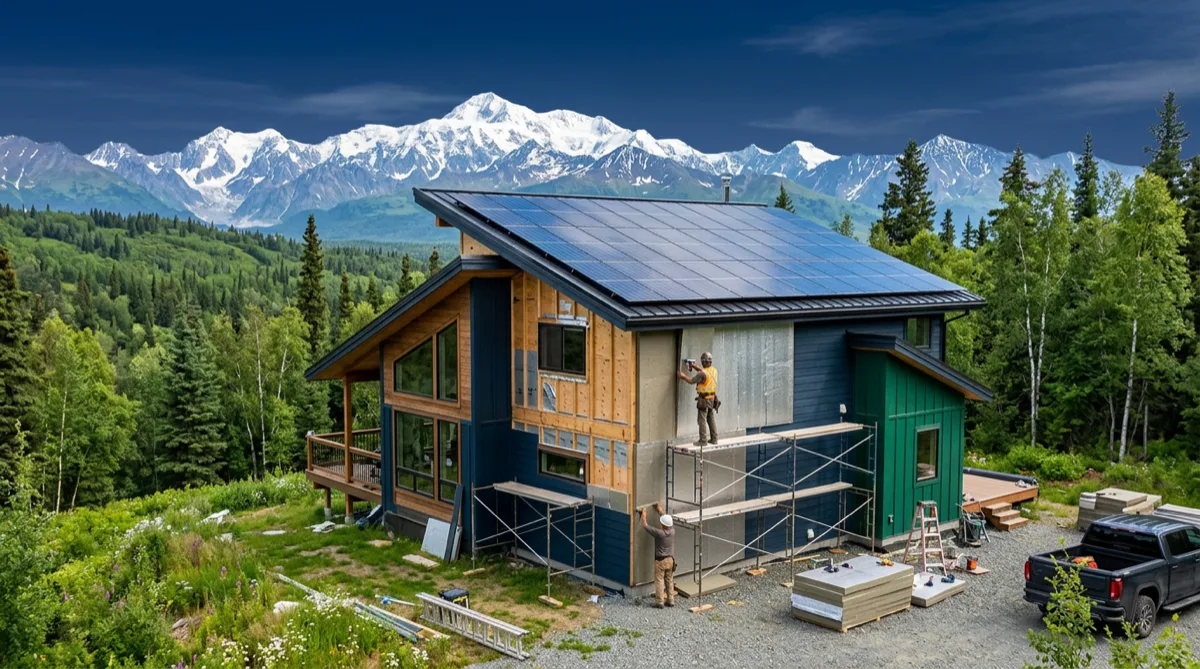
AHFC Energy Efficiency Rebates: How Alaska Homeowners Save on Heating and Mortgage Costs
Alaska homeowners face some of the highest heating costs in the country. A typical Anchorage household spends $2,000–$4,000 annually on heating fuel, and homes in Interior Alaska or rural communities can exceed $6,000–$10,000 per year. The Alaska Housing Finance Corporation (AHFC) addresses this directly through two programs: the Home Energy Rebate program and interest rate reductions for energy-efficient homes on AHFC mortgages.
These aren’t small incentives. Between the upfront rebates and reduced mortgage interest rates, a well-executed energy improvement project can yield significant long-term savings while making a home more comfortable, durable, and valuable.
AHFC’s Two Energy Programs
1. AHFC Home Energy Rebate Program
The AHFC Home Energy Rebate program pays Alaska homeowners cash rebates for making qualifying energy efficiency improvements. The program is funded by the state and designed to reduce energy consumption across Alaska’s housing stock — which tends to be older and less efficient than Lower 48 homes.
How it works:
- Get a pre-upgrade home energy assessment (from an AHFC-certified rater)
- Make qualifying improvements
- Get a post-upgrade energy assessment
- Receive a rebate based on the improvement in energy efficiency rating
Rebates scale with the improvement made: the more you improve your home’s energy rating, the larger the rebate. Maximum rebates have historically ranged up to $10,000 for significant improvements (tight envelope upgrades, new heating system, major insulation projects).
Qualifying improvements typically include:
- Attic and wall insulation (a major energy loss in Alaska’s cold climate)
- Air sealing (critical in Alaska’s extreme cold — gaps in the envelope drive huge heat loss)
- Window and door replacement (double or triple pane for Alaska climate zones)
- Heating system upgrades (high-efficiency boilers, heat pumps rated for low temperatures)
- Ventilation improvements (HRV/ERV systems that recover heat from exhaust air)
Program status: AHFC periodically opens and closes the rebate program based on state funding appropriations. Check ahfc.us for current program availability and application windows. The program has been intermittently paused due to funding constraints, so confirming current status before planning a project is essential.
2. AHFC Interest Rate Reduction for Energy-Efficient Homes
AHFC’s First Home and First Home Limited mortgage programs include an interest rate incentive for homes that meet a specified energy efficiency rating. Homes rated at a higher energy efficiency level on the AHFC Home Energy Rating System (HERS) receive a lower interest rate on the AHFC mortgage.
This reduces the lifetime cost of the mortgage — not just the monthly payment. On a $350,000 AHFC loan, a 0.5% interest rate reduction saves roughly $34,000 in interest over 30 years.
To qualify for the rate reduction, the home must be assessed by an AHFC-certified rater and achieve the required efficiency rating. New construction built to Alaska Building Energy Efficiency Standards (BEES) often qualifies automatically. Existing homes may require upgrades to achieve the rating threshold.
For homebuyers shopping for homes in Anchorage, Wasilla, or Palmer, asking about a home’s energy rating before purchase is a financially meaningful question.
How Much Can You Actually Save?
Here’s a realistic scenario for a typical Alaska homeowner:
Starting point: Older home in the Mat-Su Valley, heating oil or propane, minimal insulation. Annual heating cost: $4,200.
After improvements:
- Attic insulation upgrade (R-49 to R-60): Cost $3,500, estimated heating savings $400/year
- Air sealing and infiltration reduction: Cost $1,800, estimated savings $600/year
- New heat pump (cold-climate rated, dual fuel): Cost $12,000, estimated savings $1,200/year
- HRV installation: Cost $3,500, estimated savings $300/year
Total investment: ~$20,800 Annual savings: ~$2,500/year Simple payback: ~8 years (before AHFC rebates)
With AHFC rebates potentially covering $8,000-$10,000 of that investment, the payback period shortens substantially. Combined with the AHFC mortgage interest rate reduction (which is a separate benefit), the long-term financial case for energy improvements on Alaska homes is often compelling.
The Interaction with Your Mortgage
For buyers financing an Alaska home purchase, the energy efficiency of the home you’re buying affects:
- AHFC mortgage rate: If the home qualifies for the energy efficiency rate reduction, you get a lower interest rate — saving tens of thousands over the loan term
- Property value: Energy-efficient homes appraise higher and sell faster in Alaska, where buyers understand heating cost implications
- Debt-to-income ratio: Lower utility costs may improve DTI calculations, affecting your qualifying loan amount
For homeowners who already own and want to finance energy improvements, options include:
- Cash-out refinance: Access equity to fund energy improvements. See Cash-Out Refinance Guide for Alaska Homeowners
- HELOC: A home equity line of credit for phased improvements. See HELOC Options for Alaska Homeowners
- AHFC refinance with energy upgrades: In some program cycles, AHFC has offered financing for energy improvements as part of a refinance
Hiring an AHFC-Certified Rater
The energy assessment — both pre- and post-improvement — must be conducted by an AHFC-certified home energy rater. This isn’t a general home inspector; it’s a specialist trained in blower door testing, thermal imaging, and the AHFC rating system.
AHFC maintains a list of certified raters on its website. Costs for a rating assessment typically run $300–$600. Budget for two assessments (before and after improvements) to unlock the rebate program.
Bottom Line for Alaska Homeowners
AHFC’s energy programs reward investment in your home’s efficiency with real cash rebates and lower mortgage rates. For a state where heating costs are a major budget line, bringing down energy consumption has compounding benefits: lower monthly bills, potentially lower mortgage interest, and higher resale value.
If you’re buying an Alaska home, ask about the energy rating before you make an offer. If you already own, check AHFC’s website for the current rebate program window — and talk to an energy rater about what improvements make the most financial sense for your home.
Ready to explore AHFC mortgage options that include energy efficiency benefits? Premier Mortgage (NMLS# 1168048) is a trusted partner for Alaska home loans.
Get a free home loan quote from Premier Mortgage (NMLS# 1168048)
Frequently Asked Questions
How much is the AHFC Home Energy Rebate in Alaska?
AHFC Home Energy Rebate amounts scale with the improvement made to your home’s energy rating. Historically, rebates have ranged from a few hundred dollars for minor improvements to up to $10,000 for major whole-home efficiency upgrades. The program requires both a pre- and post-improvement assessment by a certified rater. Program funding and rebate caps vary — check AHFC’s website for current amounts.
What is an AHFC-certified home energy rater?
An AHFC-certified home energy rater is a trained specialist who assesses a home’s energy performance using blower door testing, thermal imaging, and the AHFC Home Energy Rating System. The rater measures air leakage, insulation levels, heating system efficiency, and ventilation to produce an overall energy efficiency score. Only assessments by certified raters are accepted for AHFC rebate applications.
Can energy improvements help me qualify for a better AHFC mortgage rate?
Yes. AHFC’s First Home and First Home Limited programs include interest rate reductions for homes that achieve a specified energy efficiency rating. A higher energy rating can reduce your mortgage interest rate, saving thousands over the life of the loan. New homes built to Alaska BEES standards often qualify automatically; older homes may need improvements to reach the rating threshold.
What are the most cost-effective energy improvements for Alaska homes?
Air sealing is typically the highest ROI energy improvement in Alaska because older homes have significant uncontrolled air infiltration that drives enormous heat loss in extreme cold. Attic insulation upgrades and heating system replacement also rank highly. Cold-climate heat pumps (rated for below-zero operation) have become more cost-effective as the technology has improved. An AHFC-certified rater can identify the specific opportunities in your home.
Is the AHFC rebate program currently accepting applications?
AHFC’s rebate program availability depends on state legislative appropriations and program funding. The program has been paused in some years due to budget constraints. Always verify current status directly at ahfc.us before planning a project around the rebate. Improvements may still be financially worthwhile even without the rebate, especially if the AHFC mortgage interest rate reduction applies.
Ready to Take the Next Step?
Get a free home loan quote today through our trusted partner.
Or call 9078411600
Disclaimer: This article is for informational purposes only and does not constitute financial, mortgage, legal, or tax advice. Interest rates, loan programs, eligibility requirements, and fees are subject to change without notice and may vary based on your individual circumstances. Alaska Home HQ is not a lender, broker, or financial institution. All loan applications are processed by Premier Mortgage (NMLS: 1168048). We may have a business relationship with Premier Mortgage and may receive compensation when you use their services through our links. Consult a licensed mortgage professional before making financial decisions. Terms of Service · Privacy Policy