Heating Oil Tank Inspections and Your Alaska Mortgage
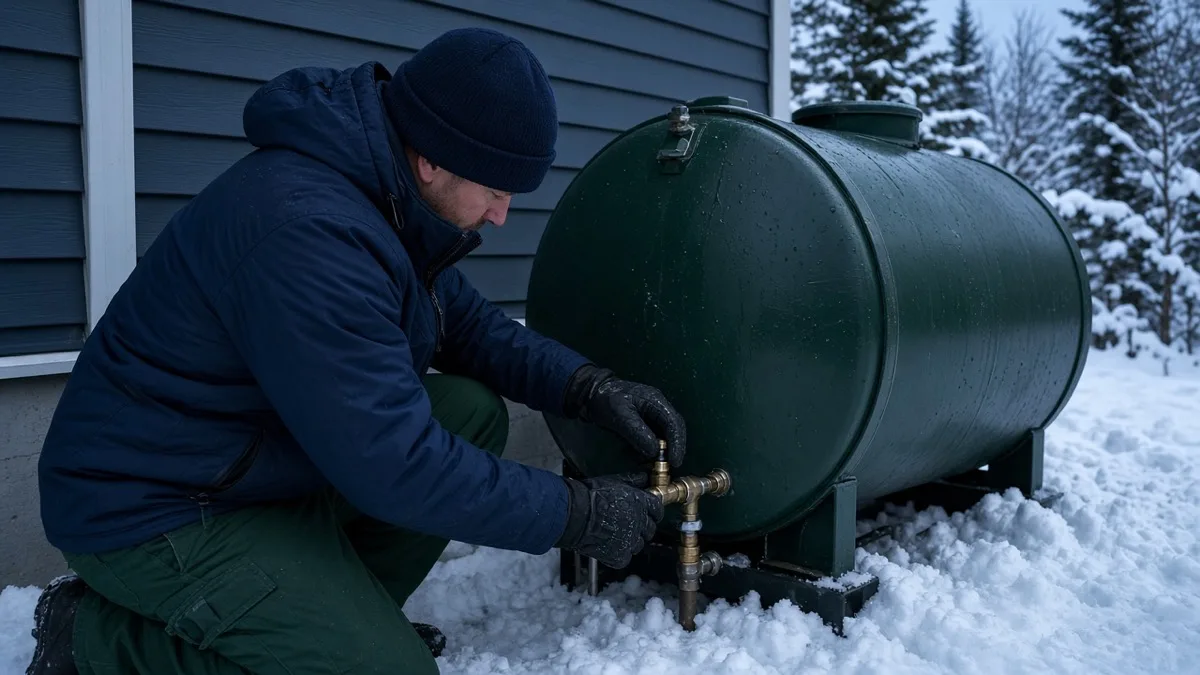
Heating oil remains a common fuel source across Alaska, especially in areas without natural gas service. When you buy or refinance a home that relies on an oil tank — above ground or buried — both your lender and your homeowners insurer will likely want confirmation the tank is in sound condition before closing. A failed inspection can be one of the more expensive last-minute surprises in an Alaska real estate transaction.
Why Tank Condition Matters So Much
An oil tank that leaks, whether above ground or buried, creates a genuine environmental contamination risk — leaked heating oil can migrate into soil and groundwater, and cleanup costs for a significant spill can run into the tens of thousands of dollars or more. Because of this liability exposure, most homeowners insurers require a tank inspection (sometimes called a tank sweep or oil tank certification) before issuing or renewing a policy, and lenders generally won’t close without insurance in place.
What a Tank Inspection Typically Checks
- Visible corrosion, rust, or dents on above-ground tanks, along with the condition of the legs or stand supporting it
- Fill pipe and vent condition, checking for proper installation and any signs of overfill staining
- Age of the tank, since many insurers set maximum age limits — commonly 20 to 30 years depending on the insurer — beyond which they won’t insure the tank without replacement
- For buried tanks specifically, soil testing around the tank to check for signs of a past or active leak, since buried tanks can’t be visually inspected the way above-ground tanks can
Buried Tanks Are a Bigger Concern
Older Alaska homes sometimes have buried oil tanks that predate today’s above-ground preference. Buried tanks are much harder to inspect thoroughly and carry higher environmental risk if they fail, since a leak can go undetected for a long time before surfacing as a problem. Many insurers now decline to cover buried tanks at all, or require they be decommissioned and replaced with an above-ground system before binding a policy — which directly affects whether your loan can close on schedule.
What Happens If Your Tank Fails Inspection
If an inspection finds an aging, corroded, or leaking tank, you have a few options depending on your position in the transaction:
- Negotiate replacement or repair with the seller before closing, which is common when a failed inspection is discovered during a purchase
- Budget for tank replacement yourself if you’re buying as-is or refinancing an existing home you already own
- Decommission a buried tank and switch to an above-ground system or a different heating fuel entirely, which resolves both the insurance and environmental liability concern going forward
The EPA’s guidance on home heating oil tanks covers general regulatory background on tank management, useful context whether or not you’re currently buying or selling.
Planning Ahead
If you’re selling a home with an older or buried oil tank, get an inspection done before listing — discovering a problem during a buyer’s due diligence period, with a closing deadline looming, gives you much less negotiating leverage than addressing it proactively. If you’re buying, ask about tank age and type as part of your initial property questions, right alongside questions about the home’s heating system generally.
Frequently Asked Questions
How much does an oil tank inspection typically cost in Alaska?
Costs vary by provider and tank type, but a standard above-ground tank inspection is generally a modest expense compared to the cost of a failed inspection’s remediation — buried tank soil testing costs more due to the additional testing involved.
What’s the typical lifespan of an above-ground heating oil tank?
Many insurers set maximum insurable age limits between 20 and 30 years, though actual physical lifespan depends heavily on tank quality, maintenance, and local conditions. Check with your specific insurer for their exact age limit.
Can I still get homeowners insurance with an older oil tank?
Some insurers will still cover an older tank if it passes inspection, while others set firm age limits regardless of condition. Shopping multiple insurers can sometimes find coverage a first insurer declined.
What happens if oil has already leaked from my tank?
This requires professional environmental assessment and potentially remediation, which can be a significant undertaking. Sellers in this situation should consult an environmental remediation specialist and disclose the issue to potential buyers as required by law.
Is switching from oil heat to another fuel source worth considering?
It depends on your specific situation, local fuel costs, and the condition of your current system. Some Alaska homeowners have transitioned to propane, electric heat pumps, or wood systems to avoid ongoing tank liability, though this involves its own upfront cost.
Buying or selling a home with a heating oil tank in Alaska? Premier Mortgage (NMLS# 1168048) can help you understand how this affects your closing timeline.
Ready to Take the Next Step?
Get a free home loan quote today through our trusted partner.
Or call 9078411600
Disclaimer: This article is for informational purposes only and does not constitute financial, mortgage, legal, or tax advice. Interest rates, loan programs, eligibility requirements, and fees are subject to change without notice and may vary based on your individual circumstances. Alaska Home HQ is not a lender, broker, or financial institution. All loan applications are processed by Premier Mortgage (NMLS: 1168048). We may have a business relationship with Premier Mortgage and may receive compensation when you use their services through our links. Consult a licensed mortgage professional before making financial decisions. Terms of Service · Privacy Policy