Alaska HOA Reserve Study Mortgage Requirements
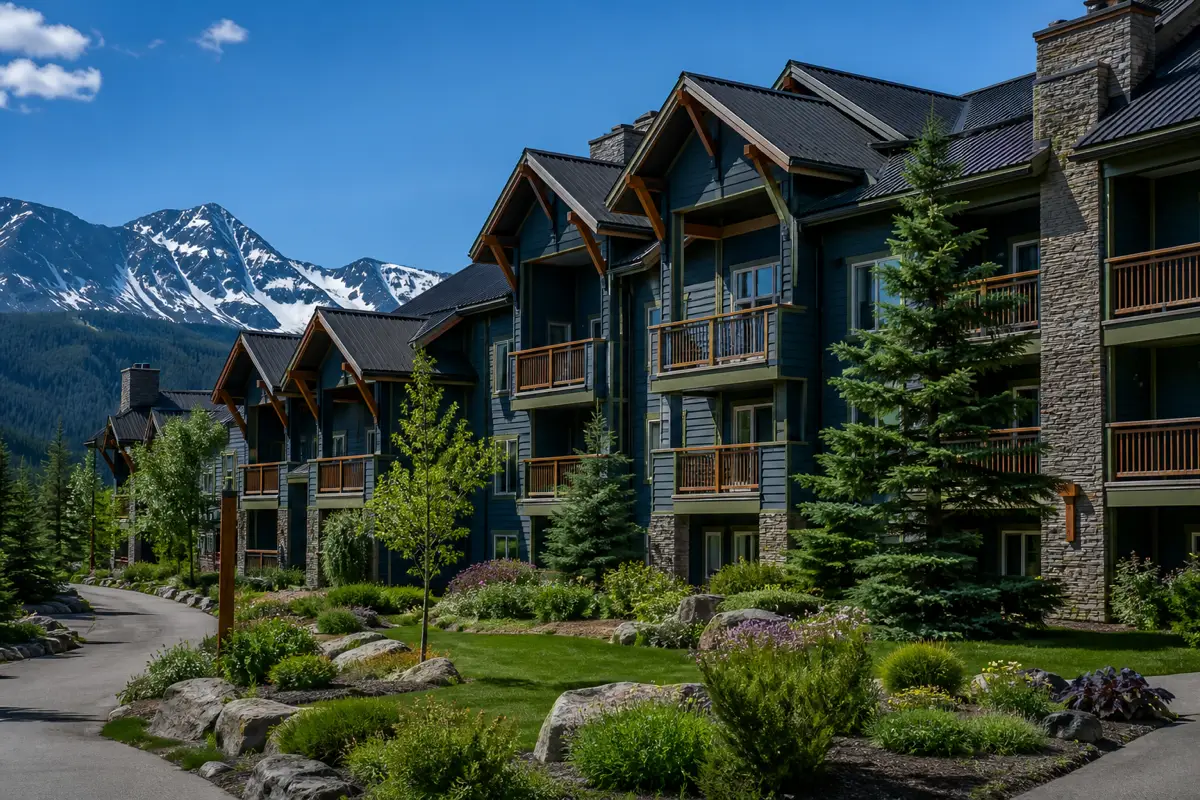
Buying into a condo or planned unit development in Alaska means your loan approval isn’t just about you — the lender also underwrites the health of the homeowners association itself, and the reserve study is the single most important document in that evaluation.
What a Reserve Study Actually Is
A reserve study is a professional assessment of an HOA’s major shared components — roofs, siding, elevators, parking structures, common-area mechanical systems — projecting when each will need repair or replacement and how much that will cost. It compares those projected future costs against the HOA’s current reserve fund balance, producing a funding percentage: how well-funded the association is relative to its known future obligations.
Why Lenders Care
If an HOA’s reserves are underfunded, the association faces two likely outcomes when a major expense hits: a special assessment billed to all owners at once, or a significant dues increase to rebuild the fund. Either outcome affects every owner’s finances, including yours as a new buyer, and increases the risk that owners fall behind on dues — which can, in aggregate, threaten the financial stability of the whole association. Lenders view a poorly reserved HOA as a real risk factor to the property’s value and the borrower’s ongoing ability to afford the total cost of ownership.
What Lenders Look For
Most conventional loan programs and government-backed programs look for specific reserve study benchmarks, generally including:
- Adequate reserve funding — many programs want to see reserves funded at a reasonable percentage of the study’s calculated need, though the specific threshold and how strictly it’s enforced varies by loan program and lender
- No pending or planned special assessments that aren’t yet disclosed and budgeted for
- A current reserve study — an outdated study (several years old, not reflecting recent capital expenses or updated cost estimates) may not satisfy underwriting requirements, and the lender may require an updated one
- Delinquency rates among owners — a high percentage of owners behind on dues signals broader financial stress in the association, separate from but related to reserve adequacy
Common Red Flags
- No formal reserve study at all — some smaller or older HOAs never commissioned one, relying instead on informal budgeting; this can be a hard stop for certain loan programs
- A reserve fund covering only a small fraction of projected need — this signals a high likelihood of a future special assessment or dues spike
- Deferred maintenance visible during a site visit — peeling paint, an aging roof, visibly deteriorating common areas, especially paired with a reserve study showing inadequate funding for exactly those components
- A recent large special assessment — while not automatically disqualifying, it warrants understanding whether the underlying issue was fully resolved or if more assessments are likely
What Happens If the HOA Doesn’t Pass
If an HOA fails to meet a lender’s project approval standards, you generally have a few paths:
- Try a different lender — approval standards and how strictly they’re applied can vary between lenders, so a decline from one doesn’t always mean a decline everywhere
- Wait for the HOA to address the issue — if the association is actively working to improve reserve funding (a dues increase already implemented, a completed special assessment), a future review might pass
- Consider whether the specific unit is worth pursuing anyway — if HOA financial health is genuinely weak, that’s worth weighing as a long-term ownership risk regardless of financing, not just a box to check for loan approval
This connects directly to what a condo’s master insurance policy does and doesn’t cover — insurance adequacy and reserve health are both financial-strength indicators lenders and savvy buyers evaluate together.
How to Get This Information Before Making an Offer
Ask the seller’s agent or the HOA directly for the most recent reserve study, current budget, and delinquency rate before you’re deep into a transaction — ideally before you even write an offer if the information is readily available. Discovering reserve problems after you’re under contract wastes time and can put your earnest money and timeline at risk if the issue surfaces late in underwriting.
Buying a condo or PUD in Alaska and want the HOA’s financials reviewed early? Premier Mortgage (NMLS# 1168048) can help you understand what a lender will look for before you commit to a specific property.
Frequently Asked Questions
Can I still get a mortgage if the HOA has no reserve study?
It depends on the loan program and lender — some will decline or require additional documentation, while others may accept alternative evidence of financial health. This is exactly the kind of issue worth identifying before you’re under contract, since it can affect which loan programs remain available to you.
What percentage of reserve funding do lenders typically want to see?
Specific thresholds vary by loan program and lender and can change over time, so ask your loan officer for the current standard rather than relying on a fixed number. Generally, higher funding percentages make approval smoother across more loan programs.
Does a recent special assessment automatically disqualify a condo from financing?
Not automatically — lenders evaluate whether the assessment was for a one-time, now-resolved issue versus a symptom of chronic underfunding likely to recur. Get details on what the assessment addressed and the HOA’s current financial position after it.
Who pays for an updated reserve study if the lender requires one?
This is typically the HOA’s responsibility and cost, not the individual buyer’s, though the timeline for commissioning and completing a new study can affect your closing schedule if one is required as a condition of loan approval.
Does this apply to single-family homes with an HOA, or only condos?
Reserve study requirements are most commonly associated with condos and some PUDs where the HOA maintains significant shared infrastructure. Single-family homes in an HOA with fewer shared physical assets (just common landscaping, for example) typically face less intensive reserve scrutiny, though the HOA’s general financial health can still be a consideration.
Ready to Take the Next Step?
Get a free home loan quote today through our trusted partner.
Or call 9078411600
Disclaimer: This article is for informational purposes only and does not constitute financial, mortgage, legal, or tax advice. Interest rates, loan programs, eligibility requirements, and fees are subject to change without notice and may vary based on your individual circumstances. Alaska Home HQ is not a lender, broker, or financial institution. All loan applications are processed by Premier Mortgage (NMLS: 1168048). We may have a business relationship with Premier Mortgage and may receive compensation when you use their services through our links. Consult a licensed mortgage professional before making financial decisions. Terms of Service · Privacy Policy