Alaska Home Appraisal Process Explained
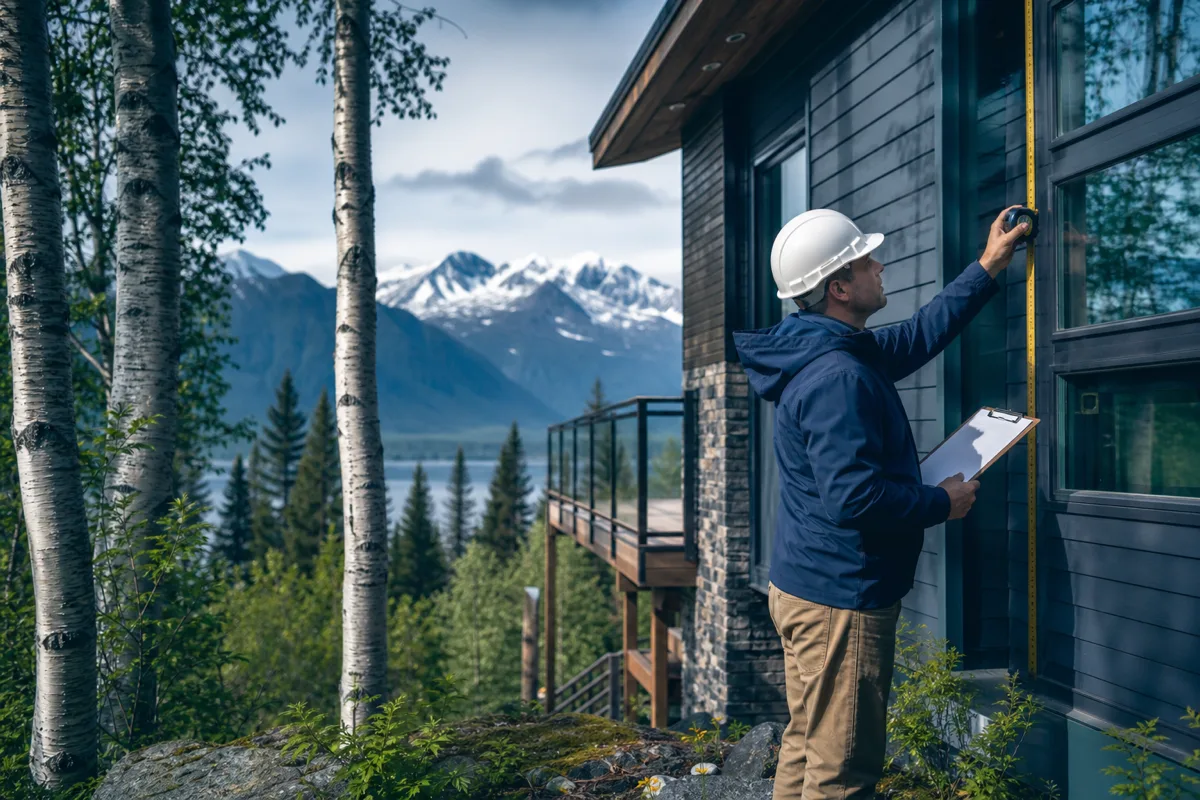
The home appraisal is one of the most misunderstood steps in the Alaska mortgage process — and one of the most consequential. A low appraisal can kill a deal, delay closing, or force a renegotiation. Understanding how Alaska appraisals work helps you avoid surprises and make smarter decisions as a buyer or seller.
Why Appraisals Are Required
Lenders require an appraisal before funding a mortgage because the home is the collateral for the loan. The lender needs to confirm that the home is worth at least as much as the purchase price — otherwise, they’d be lending more than their collateral is worth.
For government-backed loans (FHA, VA, USDA), the appraisal also confirms that the property meets minimum property standards (MPS) for those programs.
Who Orders the Appraisal?
In most transactions, the lender orders the appraisal through an Appraisal Management Company (AMC). This process was mandated after the 2008 financial crisis to maintain appraiser independence — the lender, agent, and buyer cannot directly hire or instruct the appraiser.
The buyer typically pays the appraisal fee at closing or at the time of ordering ($500–$900 for most Alaska properties). Rural, complex, or high-value properties may cost more.
What the Alaska Home Appraisal Process Looks Like
Step 1: Lender orders the appraisal after a purchase agreement is signed (or after receiving a refinance request).
Step 2: An AMC assigns a licensed Alaska appraiser to the order. In Anchorage and Fairbanks, scheduling typically takes 3–7 days. In rural markets (Kodiak, Bethel, Juneau), it may take longer.
Step 3: The appraiser schedules an inspection visit with the seller/listing agent. The visit typically takes 30–90 minutes depending on property size and complexity.
Step 4: The appraiser analyzes comparable sales (“comps”) — similar homes that sold nearby within the past 6–12 months. In data-rich markets like Anchorage, good comps are usually available. In smaller or rural markets, appraisers may need to pull comps from further away in distance or time.
Step 5: The appraiser completes the appraisal report — typically a Uniform Residential Appraisal Report (URAR) for conventional loans. The completed report is delivered to the AMC, who delivers it to the lender. You receive a copy.
Step 6: The lender reviews and approves the appraisal. If the appraisal value supports the purchase price, closing proceeds. If not, the parties must address the gap.
What Appraisers Inspect in Alaska Homes
Exterior: Roof condition, siding, foundation visibility, site drainage, outbuildings. Appraisers note anything that could affect structural integrity or market value.
Interior: Room count, square footage, condition of floors/walls/ceilings, kitchen and bath quality, presence of functional utilities (heat, electricity, plumbing).
Heating systems: Particularly important in Alaska. The appraiser will note the heating system type (natural gas, fuel oil, propane, electric, wood) and condition. VA and FHA appraisers will flag inadequate or failing heating systems — this can require repair before closing.
Lot and location: Lot size, proximity to services, topography, accessibility. Properties with difficult access (seasonal roads, no road access) are flagged and may require special market analysis.
Alaska-Specific Appraisal Challenges
Rural markets with thin comps: In communities like Bethel, Dillingham, or Cordova, fewer home sales mean fewer comparable transactions. Appraisers may need to use older comps, look at comparable community data, or apply land/cost approaches rather than pure sales comparison.
Remote access: For remote properties, the appraiser may need to be flown in by float plane or arrive via snowmachine. This adds cost and scheduling complexity.
Unique property types: Log cabins, dome homes, off-grid properties, or homes on non-standard foundations (on pilings, for example) are harder to value using standard comps.
Native allotments: Homes on Native allotment land present unique appraisal challenges — the land itself may not be transferable in the same way as fee simple land, affecting market value calculations.
Permafrost: Homes in permafrost areas require additional foundation consideration. Evidence of foundation movement, settling, or permafrost-related damage will be flagged and may require costly repairs.
When an Appraisal Comes in Low
A low appraisal — where the appraiser’s value is below the purchase price — gives you options:
1. Negotiate with the seller: Request the seller reduce the price to match the appraised value. In a buyer’s market or motivated seller situation, this often works.
2. Pay the difference in cash: If you still want the home at the purchase price and can cover the gap in cash, you can proceed. The lender will base their loan on the appraised value.
3. Challenge the appraisal: If you believe the appraiser made errors (missed relevant comps, wrong square footage, condition mistakes), you can submit a rebuttal with supporting evidence to your lender. The lender may order a review or a second appraisal.
4. Walk away: If you have a financing contingency in your purchase agreement, a low appraisal typically allows you to exit with your earnest money. Don’t waive your appraisal contingency without fully understanding the risk.
FHA and VA Appraisals: Additional Considerations
For FHA and VA loans, the appraisal includes property condition requirements in addition to value determination:
FHA appraisals: Look for health and safety issues including peeling lead paint (in homes built before 1978), roof condition (2+ years remaining life required), broken windows, missing handrails, and working utilities.
VA appraisals: VA appraisers check Minimum Property Requirements (MPRs), which include similar health/safety items plus specific requirements for heating (adequate for Alaska climate), crawl space access and drainage, and absence of “dampness.” VA appraisals in Alaska give particular attention to heating system adequacy.
If an FHA/VA appraisal identifies required repairs, the seller typically makes repairs before closing or credits the buyer to make repairs. Some sellers resist this — factor it into your offer strategy.
Get pre-approved and understand your appraisal options before you submit an offer. Premier Mortgage (NMLS# 1168048) guides you through the full Alaska mortgage process.
Also see our Alaska mortgage pre-qualification vs pre-approval guide and Alaska home buying contingencies. External reference: HUD appraisal requirements.
Explore the Anchorage area if you’re considering buying there.
Frequently Asked Questions
How long does an Alaska home appraisal take?
The physical inspection visit typically takes 30–90 minutes. The full appraisal report usually takes 5–10 business days from the inspection date in urban markets. In rural Alaska communities with limited appraiser availability or access challenges, the process may take 2–4 weeks. Plan accordingly when setting your closing date.
Can I be present during the home appraisal?
As a buyer, you’re not typically present during the appraisal inspection — the appointment is usually coordinated by the seller/listing agent. Some buyers choose to provide a list of upgrades or features that may not be obvious to the appraiser, which can be submitted through the lender’s communication channel.
What is the appraisal contingency and why does it matter in Alaska?
The appraisal contingency gives buyers the right to exit the purchase agreement without penalty if the home appraises below the purchase price. In a competitive market like Anchorage, some buyers waive this contingency to strengthen their offer — but that means they’re committing to pay the full purchase price even if the home appraises lower. This is significant financial risk.
Are Alaska appraisals more expensive than other states?
Yes, generally. Alaska appraisal fees reflect the higher cost of business operations in the state. Standard residential appraisals in Anchorage run $500–$750. Rural markets, complex properties, or properties requiring fly-in access can cost $1,000–$3,000+. Lenders disclose this as part of your Loan Estimate.
What happens if a VA appraisal requires repairs?
If a VA appraisal identifies required repairs (called repair conditions), the lender will not fund the loan until the repairs are completed. The seller may agree to make repairs, credit the buyer to handle them post-close (rare), or the deal may fall apart. As a VA buyer, you have the right to terminate the purchase agreement if the seller refuses to address VA-required repairs.
Ready to Take the Next Step?
Get a free home loan quote today through our trusted partner.
Or call 9078411600
Disclaimer: This article is for informational purposes only and does not constitute financial, mortgage, legal, or tax advice. Interest rates, loan programs, eligibility requirements, and fees are subject to change without notice and may vary based on your individual circumstances. Alaska Home HQ is not a lender, broker, or financial institution. All loan applications are processed by Premier Mortgage (NMLS: 1168048). We may have a business relationship with Premier Mortgage and may receive compensation when you use their services through our links. Consult a licensed mortgage professional before making financial decisions. Terms of Service · Privacy Policy