Financing a Home on Leasehold Land in Alaska
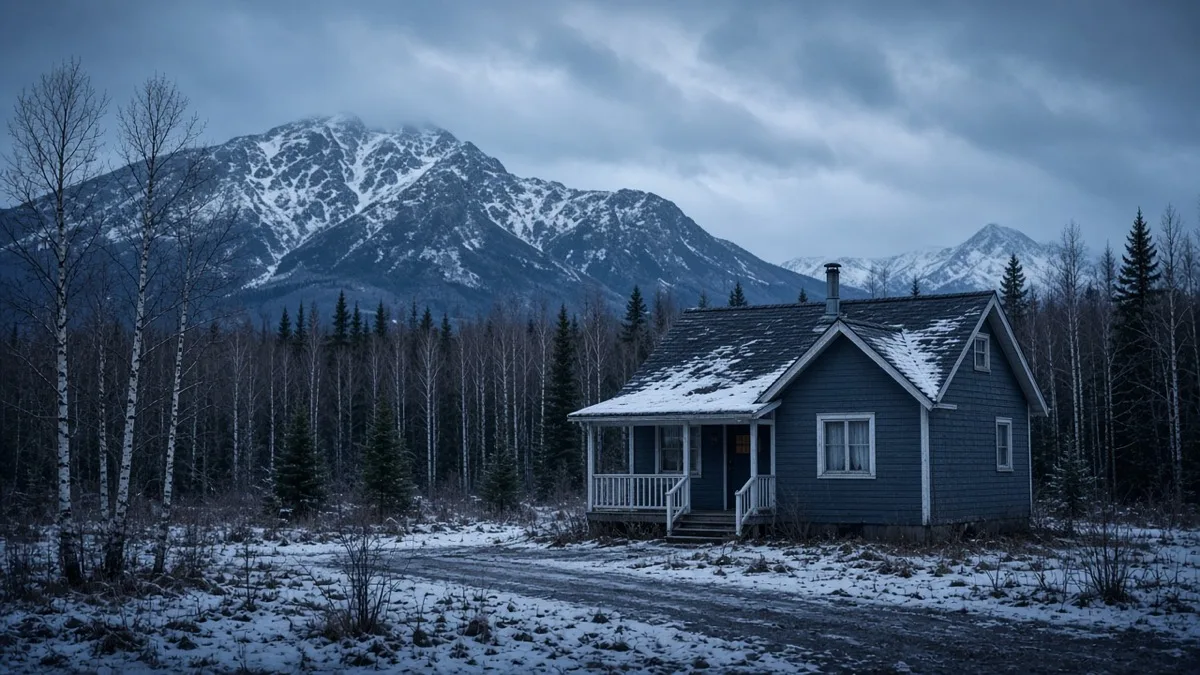
Not every home in Alaska sits on land the owner actually owns outright. In some Southeast communities, parts of the Kenai Peninsula, and select municipal or Native corporation land programs, homeowners own the structure but lease the ground beneath it. Financing these properties works differently than a standard mortgage, and not every lender will touch them.
What Leasehold Land Means for a Buyer
With leasehold land, you’re purchasing (or financing) the home and any improvements, while paying periodic lease payments to whoever owns the underlying land — often a municipality, the state, or a Native corporation. The lease has a defined term, sometimes 20, 55, or 99 years, and includes terms about renewal, rent adjustment, and what happens if the lease isn’t renewed.
Why Some Lenders Hesitate
A mortgage is secured by real property, and a lease introduces a layer of complexity: if the lease term is too short relative to the loan term, or if renewal isn’t reasonably assured, the lender’s collateral position weakens. Fannie Mae and Freddie Mac guidelines require leasehold mortgages to meet specific criteria, generally including a remaining lease term well beyond the loan’s maturity date and lease terms that don’t unreasonably restrict the ability to mortgage, transfer, or renew.
What Underwriters Look For
- Remaining lease term. Most conventional guidelines want the lease to run at least a set number of years beyond the mortgage’s amortization schedule — commonly requiring the lease to extend 10 or more years past the loan’s maturity date.
- Renewal provisions. A lease with automatic or clearly defined renewal rights is far easier to finance than one that requires renegotiation at the landowner’s discretion.
- Assignability. The lease must generally allow the leasehold interest to be mortgaged and, if needed, transferred to a new owner or foreclosed on without the landowner’s unilateral veto.
- Lease payment stability. Underwriters review how lease payments adjust over time, since a lease that can escalate sharply affects the borrower’s long-term debt-to-income picture.
Because these terms vary widely by lease, borrowers should expect the loan officer to review the actual lease document early in the process — not just note “leasehold” as a checkbox.
Where This Comes Up in Alaska
Leasehold arrangements show up in some Southeast Alaska communities where municipal or tidelands leases underlie residential lots, in certain Native corporation land programs, and occasionally in older subdivisions where the original developer retained the underlying fee. If you’re house-hunting and a listing mentions “leasehold” rather than “fee simple,” it’s worth confirming the lease terms before you fall in love with the property — not every lender or loan program will finance it, and terms that work for a conventional loan may not satisfy VA or USDA requirements.
The HUD Handbook 4000.1 outlines FHA’s specific leasehold requirements, which differ from conventional guidelines and are generally stricter about remaining lease term.
Getting Ahead of the Process
If you’re considering a leasehold property, get the lease document to your loan officer as early as possible — before you’re under contract with a tight closing deadline. Comparing this to more standard fee-simple financing options in Alaska or exploring Alaska mortgage rate lock strategies can help you understand what a smoother financing path looks like if a leasehold property turns out to be a poor fit for your loan program.
Frequently Asked Questions
Can I get an FHA or VA loan on leasehold land in Alaska?
Sometimes, but the requirements are generally stricter than conventional guidelines, particularly around remaining lease term and renewal rights. Confirm with your loan officer before assuming a specific program will work.
What happens when the lease term ends?
This depends entirely on the lease document — some include automatic renewal options, others require renegotiation, and in rare cases the underlying landowner could reclaim the land. Review this section of the lease carefully before purchasing.
Is a leasehold home cheaper than a fee-simple home?
Often the purchase price is lower to offset ongoing lease payments, but total long-term cost depends on how lease payments escalate over the lease term. Run the numbers over your expected ownership horizon, not just the purchase price.
Do lease payments count in my debt-to-income ratio?
Yes, lenders typically treat ground lease payments similarly to a homeowners association fee or similar recurring obligation when calculating your qualifying ratios.
Can I refinance a leasehold property later?
Yes, as long as the remaining lease term still meets the new loan program’s requirements at the time of refinance — which is one reason a longer initial lease term gives you more flexibility down the road.
Considering a leasehold property in Alaska? Get a free home loan quote from Premier Mortgage (NMLS# 1168048) before you go under contract.
Ready to Take the Next Step?
Get a free home loan quote today through our trusted partner.
Or call 9078411600
Disclaimer: This article is for informational purposes only and does not constitute financial, mortgage, legal, or tax advice. Interest rates, loan programs, eligibility requirements, and fees are subject to change without notice and may vary based on your individual circumstances. Alaska Home HQ is not a lender, broker, or financial institution. All loan applications are processed by Premier Mortgage (NMLS: 1168048). We may have a business relationship with Premier Mortgage and may receive compensation when you use their services through our links. Consult a licensed mortgage professional before making financial decisions. Terms of Service · Privacy Policy