Alaska Loan Estimate vs. Closing Disclosure Guide
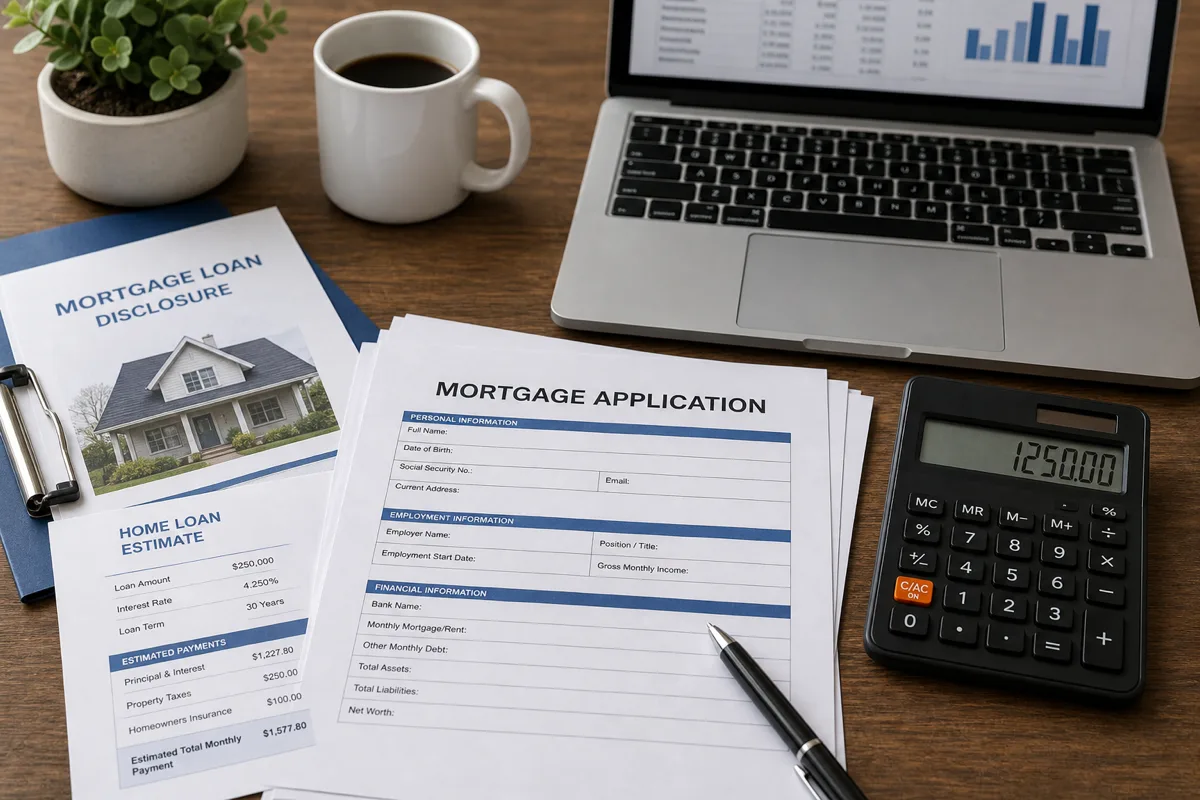
Alaska Loan Estimate vs. Closing Disclosure Guide
Two federally mandated documents guide every Alaska mortgage transaction: the Loan Estimate and the Closing Disclosure. They look similar and cover much of the same information, but they serve different purposes at different points in the process — and comparing them carefully protects you from unexpected costs at the closing table.
The Loan Estimate: Your Early Preview
Within three business days of applying for a mortgage, lenders are required to send a Loan Estimate (LE). It outlines:
- Estimated interest rate and monthly payment
- Estimated closing costs, broken into categories
- Estimated cash needed to close
- Loan terms, including whether the rate can change (as with an ARM)
The Loan Estimate is based on preliminary information and reasonable estimates — it’s not a guarantee, but certain fees are subject to “tolerance” limits that restrict how much they can increase by closing.
The Closing Disclosure: Your Final Numbers
At least three business days before closing, lenders must provide a Closing Disclosure (CD) with the final, confirmed figures:
- Final interest rate and monthly payment
- Final closing costs, itemized in detail
- Final cash to close
- Loan terms and payment schedule for the life of the loan
This three-day review period exists specifically so buyers have time to compare the CD against their original LE and ask questions before signing.
What to Compare Between the Two
| Category | What to Check |
|---|---|
| Interest rate | Should match your locked rate, unless your lock expired or loan terms changed |
| Loan amount | Should match unless you changed your down payment |
| Origination charges | Cannot increase at all from the Loan Estimate |
| Third-party fees you didn’t shop for | Can increase by no more than 10% in total |
| Prepaid items (insurance, taxes, interest) | Can change based on actual close date and updated escrow calculations |
If origination charges increased, or “no shop” third-party fees rose more than 10% in aggregate, that’s worth raising with your lender immediately — those categories have strict tolerance protections under federal law.
Common Reasons for Differences
Some changes between your LE and CD are legitimate and expected:
- Your closing date shifted, changing prepaid interest calculations
- You switched homeowners insurance providers, changing the premium
- Your loan program or rate lock changed during underwriting
- Property tax proration was updated based on the actual closing date
Illegitimate or unexplained increases in lender-controlled fees are far less common but worth catching before you sign, since the CD is your last checkpoint before funds change hands.
Alaska-Specific Line Items to Watch
Alaska closings often show larger prepaid insurance premiums (due to earthquake or wildfire riders in some areas) and borough-specific property tax proration. If you’re unfamiliar with typical Alaska closing cost ranges, our Alaska home closing costs guide provides context for what’s normal versus what deserves a second look.
For more on the overall approval process leading up to these documents, see our guide on Alaska mortgage underwriting.
The Consumer Financial Protection Bureau provides a side-by-side sample comparing the two documents in detail.
Ready to move forward with confidence? Get a free home loan quote from Premier Mortgage (NMLS# 1168048).
Frequently Asked Questions
How long before closing must I receive the Closing Disclosure in Alaska?
Federal law requires the Closing Disclosure to be provided at least three business days before your scheduled closing date, giving you time to compare it against your original Loan Estimate.
Can my interest rate change between the Loan Estimate and Closing Disclosure?
Only if your rate lock expired, you changed loan programs, or certain circumstances affecting your rate occurred during underwriting. Otherwise, your locked rate should carry through to the Closing Disclosure unchanged.
What fees are not allowed to increase from the Loan Estimate?
Lender origination charges and fees for services the lender required and you didn’t shop for generally cannot increase at all. Fees for third-party services you shopped for on your own list can increase, but must stay within the terms you agreed to.
What should I do if my Closing Disclosure shows a big unexplained increase?
Contact your lender immediately and ask for a written explanation. If a legitimate tolerance violation occurred, you may be entitled to a lender credit for the difference at closing.
Is the Closing Disclosure the same as the deed?
No. The Closing Disclosure details your loan terms and costs. The deed is a separate legal document transferring property ownership, typically signed and recorded as part of the same closing appointment.
Ready to Take the Next Step?
Get a free home loan quote today through our trusted partner.
Or call 9078411600
Disclaimer: This article is for informational purposes only and does not constitute financial, mortgage, legal, or tax advice. Interest rates, loan programs, eligibility requirements, and fees are subject to change without notice and may vary based on your individual circumstances. Alaska Home HQ is not a lender, broker, or financial institution. All loan applications are processed by Premier Mortgage (NMLS: 1168048). We may have a business relationship with Premier Mortgage and may receive compensation when you use their services through our links. Consult a licensed mortgage professional before making financial decisions. Terms of Service · Privacy Policy