Alaska Ferry Crew Mortgage Income
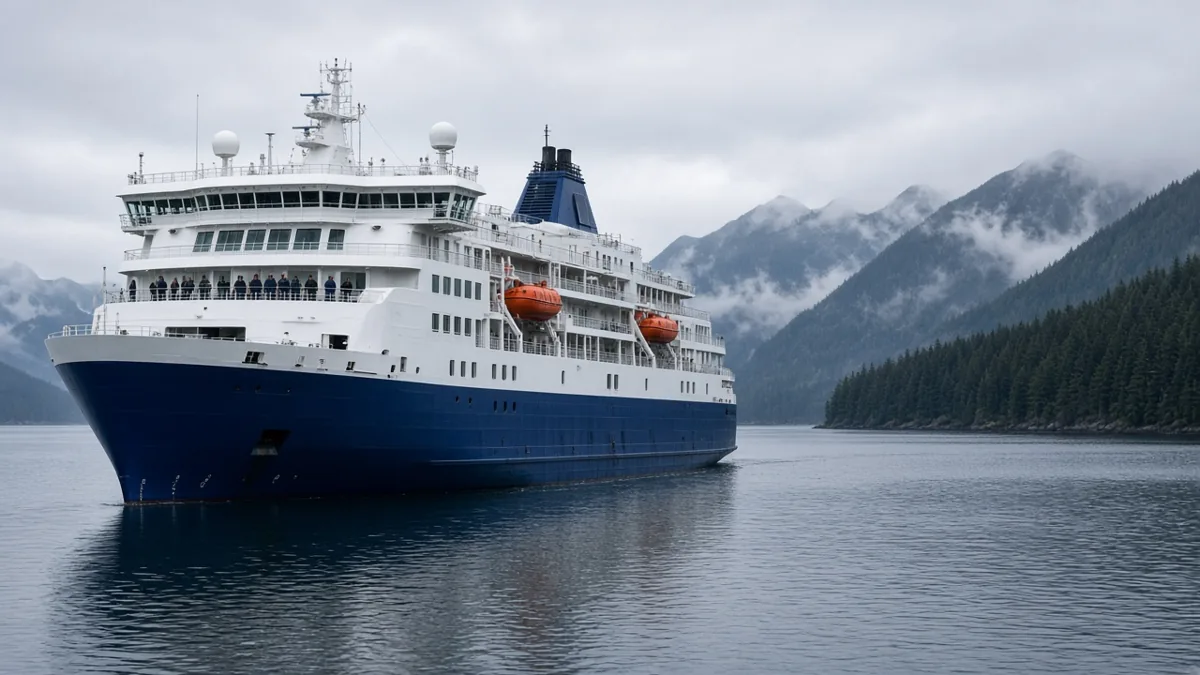
Alaska Marine Highway crew mortgage income is state employment on a ship, and the hours move with the vessel. The Alaska Marine Highway System is the state ferry. Deck, engine, and steward crews earn wages. Overtime and sea time can make one pay period look nothing like the next. A lender that follows a variable-income guide will average the history instead of qualifying you on the best two weeks of the summer schedule. This page does not quote a contract rate, a daily rate, or a sea-time multiplier. The paystub is the rate.
The income verification guide is the stack for paystubs and W-2s. The hiring-hall guide is another variable-hour job, with a union dispatch instead of a state vessel. The employment-gap guide is a layoff between seasons or between bids. Crews with homes in Juneau and Ketchikan hit the same worksheet. The port changes. The documents do not.
Alaska Home HQ is educational. It is not a lender and it is not the Department of Transportation. Rates vary. Subject to credit approval.
How Alaska Marine Highway crew mortgage income shows up
The Alaska Marine Highway System describes a ferry network covering 3,500 miles of coastline and service to over 30 communities, from Bellingham, Washington, to Dutch Harbor in the Aleutian Chain. The same page says the system is hiring for shipboard and shoreside departments. Shoreside pay is a different schedule from a watch at sea. If your W-2 is shoreside, say so. This article is about crew pay that moves with sailings.
The page says crewmembers are State of Alaska employees and are prohibited by state law from accepting tips. That sentence does two pieces of work in a loan file. The employer to verify is the state, not a private shipowner and not the passengers. Tip income is not part of the story, because the system says tips are prohibited. Do not add a figure for tips you did not receive. A passenger’s cash in the galley, if it ever happened, is not qualifying income and the page says it is not allowed.
The page does not publish a wage table, a union scale, or an overtime formula. Those live on your paystub, your bargaining agreement if you have one in hand, and the personnel document the state will confirm. Bring those. A forum post about a relief deckhand’s rate is not your verification of employment.
Sea time is a work pattern. You may be aboard for a stretch and then off the vessel. The pay period that includes a long underway can be heavy with overtime. The pay period alongside, or the weeks you are not dispatched, can be lighter. The mortgage worksheet cares about the pattern across months, not about a single sailing that paid well because the ship was short-handed.
Overtime, holiday pay, and any premium the stub labels separately should stay labeled. If you roll them into “I make about this much,” the underwriter cannot test the history. The debt-to-income guide is where whatever survives that test sits next to the house payment. A high week that will not repeat should not be the payment you shop with.
What a variable-hour guide usually does with it
If the loan follows Fannie Mae, start by asking whether the base is fixed or variable. Base income, B3-3.3-01, calls a set salary, or a fixed hourly rate with guaranteed minimum hours, fixed base income. Minor swings in hours do not by themselves push that pay into the variable bucket. Fixed base income does not require a minimum history under that section. The lender still gets a verification of employment, or the latest paystub and W-2, plus a verbal verification, and the number has to match year-to-date base earnings.
Variable base income is a fixed hourly rate with fluctuating hours, or an hourly rate that varies. Ferry watches often land here when the hours are not guaranteed. That category needs a minimum 12-month history. The lender averages year-to-date and the prior year, and the stable-or-increasing calculation has to cover at least 12 months, or multiplies average monthly hours over at least the most recent 12 months by the current hourly rate. A decline that has not stabilized is not eligible under that paragraph.
Overtime is a second section. Bonus, commission, overtime, and tip income, B3-3.3-02, recommends two years. A shorter history of at least 12 months may be considered with positive factors. Documents are a verification of employment, or the latest paystub and two years of W-2s, plus a verbal verification. Average a stable line using year-to-date and the prior year, with at least 12 months in the calculation. A decreasing line has to have leveled off. Because the AMHS page says tips are prohibited, the tip sentence in that section is not your path. Use the overtime rows. Leave the tip rows alone.
A year with a long shipyard period can drop both hours and overtime. That drop is part of the trend. If the current level has stabilized at the lower amount, the section says to use the stabilized level, not the older higher year. If it has not stabilized, the overtime may be ineligible. Bring the stub that shows where you are now, not only the stub from the busiest month.
Other programs use other chapters. A VA or FHA file may not copy these tables. Name the program. The paper is the same paper.
Bids, relief crews, and time off the boat
Some crewmembers hold a regular position on one vessel. Some work relief and take the sailings they are offered. Relief work is more likely to be variable hours and more likely to have gaps. A gap is not a moral problem. It is a date range the employment-gap guide tells you to explain. Write the dates you were not on payroll. If you drew unemployment tied to a seasonal layoff, Fannie Mae’s seasonal section has a separate note for benefits that are clearly tied to seasonal layoffs, expected to recur, and reported on the tax return. Ferry work is not automatically “seasonal income” under that heading just because the schedule is uneven. Ask the lender whether they are using the variable-base section, the overtime section, or the seasonal section. Then follow that one. Do not stack all three on the same dollars.
A move from one department to another, or from shipboard to shoreside, can change the rate and the hours. Bring both periods. The verbal verification should confirm you are still employed if you are. If you are between bids and not currently employed, say that. Continuance, in the sections above, does not have to be re-proved unless the lender has reason to believe the income may not continue. “I am not on a vessel and I do not have the next bid” is a reason. “I am on the Tustumena this month and I have been for two years” is a history. This page is not naming a vessel as a promise of work. The system’s own schedule changes. Your orders are the fact.
State employment also means the verification desk is a public employer, which can be slow. Order the written verification early. A paystub you printed from the employee portal is useful. It does not replace the verbal call if the guide requires one.
Housing while you are aboard is not the same as wages. A bunk on the ship is a condition of the watch. It is not rent you can add to income, and it is not a housing allowance unless a pay line says it is. Do not invent a dollar value for the stateroom. If the state pays a separate subsistence or travel amount, read the label. Reimbursements for a ticket or a meal on the way to the ship are often there to cover a cost. Ask payroll what the code means before you tell the lender it is wages.
What to put in the file
Latest paystub, two years of W-2s if overtime is being counted, a personnel contact, and a one-page note of base hours versus overtime for the periods on the stub. If a bargaining agreement states a rate, you may include the page that matches the stub. Do not include the whole contract as a substitute for the stub. The lender will qualify from what was paid.
If you are buying in Juneau or Ketchikan while you are underway, say who will attend closing and how the employer will confirm employment by phone. Remote closings are a logistics problem. They are not an income problem. The income problem is the average.
Ready to explore your options? Get a free home loan quote from Premier Mortgage (NMLS# 1168048).
Frequently Asked Questions
Are ferry crewmembers state employees?
The Alaska Marine Highway System’s site says crewmembers are State of Alaska employees and are prohibited by state law from accepting tips. The W-2 and the verification should match that employer. Tips are not a line to add, because the system says they are not allowed.
Can I qualify on my best pay period?
Variable base income under Fannie Mae’s base-income section uses an average with at least 12 months of history when hours fluctuate. Overtime has its own average and a recommended two-year history. The best two weeks are inside the history. They are not the monthly income by themselves.
Does the system publish the rate this article uses?
The system page fetched for this article describes the route network, hiring, and the tip rule. It does not publish a wage table. Your paystub and the employer’s verification are the rate. A number from another department or another year is not your number.
What if I am on relief status with gaps?
Explain the dates you were off payroll. Relief work with fluctuating hours is a variable-income fact pattern. A lender who has reason to believe the next bid is not coming can leave the income off. A two-year pattern of returning to work is what the history sections are written to read.
Is sea time the same as overtime?
Sea time is the stretch you are aboard, and overtime is a pay code. A long voyage can produce overtime, premium pay, or straight time, depending on the agreement and the hours. The paystub’s codes are what get averaged, so do not rename straight time as overtime to force a section to fit.
Ready to Take the Next Step?
Get a free home loan quote today through our trusted partner.
Or call 9078411600
Disclaimer: This article is for informational purposes only and does not constitute financial, mortgage, legal, or tax advice. Interest rates, loan programs, eligibility requirements, and fees are subject to change without notice and may vary based on your individual circumstances. Alaska Home HQ is not a lender, broker, or financial institution. All loan applications are processed by Premier Mortgage (NMLS: 1168048). We may have a business relationship with Premier Mortgage and may receive compensation when you use their services through our links. Consult a licensed mortgage professional before making financial decisions. Terms of Service · Privacy Policy