Alaska Power Cost Equalization Mortgage
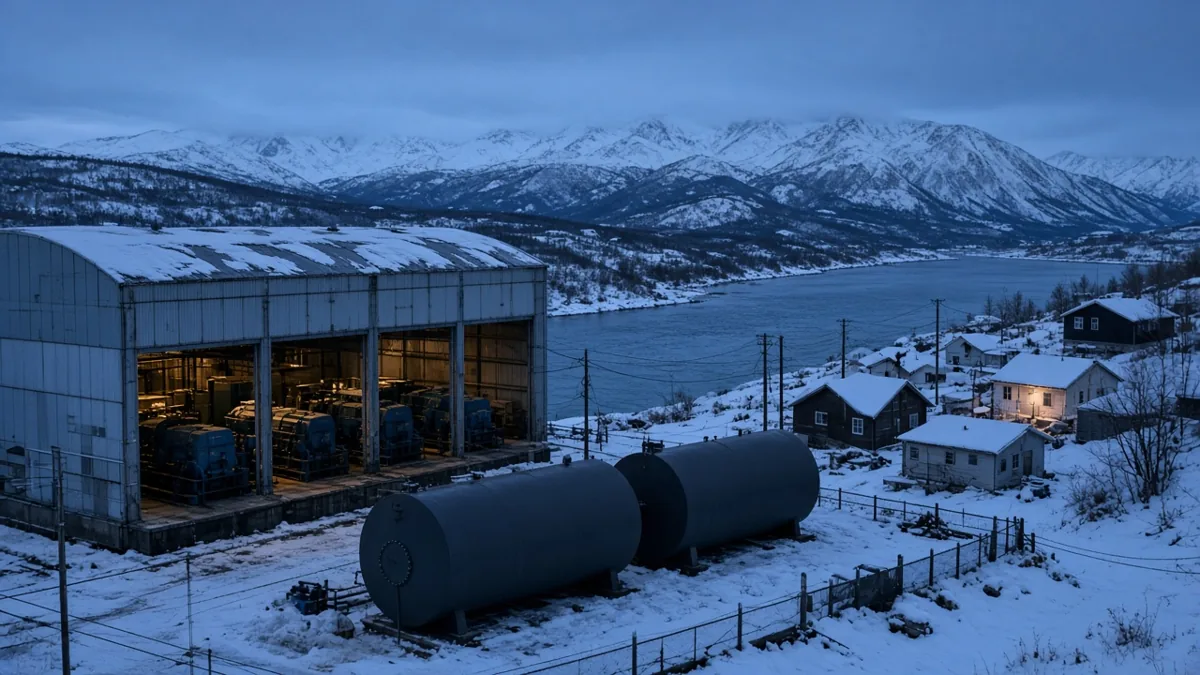
An Alaska power cost equalization mortgage question shows up on the electric bill, not on the W-2. Power Cost Equalization is a state program that reimburses eligible rural utilities for credits those utilities extend to eligible customers. The credit can lower what a household pays for power. It is not borrower income. A lender that puts wages on the worksheet should leave the credit off that side of the page. A lender that asks what the house costs to run may want the bill that shows the credit and the amount the customer still pays.
The debt-to-income guide is the ratio of debts to income. The VA residual-income guide is a different VA worksheet that looks at what is left after the main costs of the house. The USDA eligible-areas guide is a map of where a Rural Development loan can be used. That map and the list of PCE utilities are not the same map. A buyer looking at a village house reached through Kodiak can be inside one, both, or neither. Read the bill and the maps. Do not assume the city utility and a village utility are on the same program.
Alaska Home HQ is educational. It is not a lender and it is not the Alaska Energy Authority. Rates vary. Subject to credit approval.
What Alaska power cost equalization mortgage math is actually using
The Alaska Energy Authority’s PCE page says the program provides economic assistance to communities and residents of rural electric utilities where the cost of electricity can be three to five times higher than for customers in more urban areas of the state. It says AEA and the Regulatory Commission of Alaska administer a program that serves 82,000 Alaskans in 193 communities that are largely reliant on diesel generation. It says the program reduces the electric rates paid by rural consumers to levels comparable to those paid in Anchorage, Fairbanks, and Juneau. The mechanism is a reimbursement to the utility for credits the utility has already extended to customers. The utility reports sales and a customer ledger. AEA reviews the utility monthly report and pays the utility based on rates the Regulatory Commission of Alaska calculates. The commission decides whether a utility may participate and calculates the reimbursement rate for that utility. AEA decides whether a residential customer or a community facility is eligible and reimburses the utility for the credits.
That last sentence is why a PCE credit is not wages. The payment AEA describes goes to the utility. The customer sees a credit on the bill. Nothing in that description is a check to the borrower that a lender can average into monthly income. Treating the credit as a second job, or as a stipend, invents income the program does not pay to you.
The page also says the program is funded by earnings of the PCE Endowment Fund. It says Alaska Statute 42.45.085 provides that five percent of the fund’s three-year monthly average market value may be appropriated to the program. The Department of Revenue says the legislature created that endowment under AS 42.45.070 as a separate fund of the Alaska Energy Authority. AEA says only in recent years has the five percent draw been enough to fully fund payments. A credit that depends on an appropriation can change. This article does not quote a cents-per-kilowatt-hour rate. Your bill is the rate for your account.
AEA’s fiscal year 2024 statistical report describes the same structure and adds a cap that was in effect for the year ending June 30, 2024. The letter in that report says residential customers are eligible for a PCE credit up to 750 kilowatt-hours a month. It says community facilities can receive a credit for up to 70 kilowatt-hours a month multiplied by the community population set by the state commerce department. Those are eligibility caps in that year’s report, not a promise about a later year’s statute or a particular village’s tariff. If you need the cap that applies now, read the current bill and ask the utility. Do not type 750 into a mortgage calculator as if it were income.
The report’s year and the program page’s community count do not have to match. The program page this article fetched describes 193 communities. The report describes the year it covers. Use each document for the fact it states.
Where the credit can change a housing line
A conventional debt-to-income worksheet is built from income the guide accepts and from debts the guide includes. Principal, interest, taxes, insurance, and any association dues are the usual housing lines. An electric bill is not automatically one of those lines. When the program does not count the power bill, the PCE credit does not belong on the income side as a substitute. You do not add a fictional wage because the state helped pay the utility.
Some files do look at utilities. A VA residual-income conversation, a manual budget, or a letter of explanation about whether the household can carry the house may ask what power costs. In that case the document to bring is the utility bill that shows three things: the usage, the PCE credit, and the amount the customer still owes. The gross bill before the credit overstates what leaves the bank account. The credit alone, pulled off the bill and called income, overstates what the household earns. The net amount due is the cash the household pays. If usage swings with a cold month or a shop heater, bring several months so the picture is not a single January.
Escrow, on most home loans, collects taxes and insurance. The escrow guide is that account. PCE is not deposited to escrow, and it is not an escrow waiver. A servicer will not apply a rural electric credit to your tax installment. Keep the words apart when you read the closing disclosure.
The energy-efficient home loans page is about loan products tied to efficiency improvements. PCE is not that product. A rebate for a furnace and a line item on a village electric bill answer different questions. A house can have either, both, or neither.
USDA eligibility is about location and income limits for that loan. A village can be PCE-eligible and outside a USDA area, or inside a USDA area and on a utility that does not participate in PCE. The eligible-areas guide is the loan map. AEA and the commission are the utility map. A Kodiak street address does not tell you which one you are in. Ask the utility whether the account receives PCE, and ask the lender whether the house is in the loan’s eligible area.
What changes, and what the file should keep
The AEA page says the five percent endowment draw has not always fully funded the program. A utility can enter or leave when the commission says so. A loan that counts utilities may want recent bills, and it may refuse to treat the credit as permanent income, because the credit was never income.
Bring the bill in the name of the person who will live in the house, or explain why the account is still in the seller’s name. A listing that advertises “low electric because of PCE” is a prompt to ask for the bill, not a number to write on the application. If the seller’s usage and yours will differ, say so. A shop, a boiler, and a large family can blow past the residential kilowatt-hour cap the 2024 report described. Kilowatt-hours above a cap are billed without that credit. The bill will show the split if you read the lines.
A community-facility credit belongs to that facility’s account. Leave it off a residential application. If you also work for the utility, document those wages on the income verification path. The PCE credit is still not part of the wage.
How to ask the lender
Say that the house is served by a utility that participates in PCE, if the bill shows that. Offer the last several bills. Ask whether this loan counts utilities in the housing expense or in a residual figure. If it does not, do not add the credit to income. If it does, ask whether the underwriter wants the net amount due. Ask whether a change in the credit would be treated as a change in income. The answer should be that income did not change, because the credit was never income. The cash the household pays for power might change. Those are different lines.
Plan the household budget for the bill you will actually have after closing. A move into or out of a PCE utility changes that bill. It does not change the W-2.
Ready to explore your options? Get a free home loan quote from Premier Mortgage (NMLS# 1168048).
Frequently Asked Questions
Can I list the PCE credit as income on a mortgage application?
The Alaska Energy Authority describes PCE as a reimbursement to the utility for credits on customer bills. The payment it describes does not go to the borrower as wages. Leave it off the income worksheet. If a program asks for the cost of power, show the bill with the credit and the amount still due.
Does every rural Alaska electric bill include PCE?
AEA says the Regulatory Commission of Alaska decides whether a utility may participate, and AEA decides whether the customer is eligible. The program page describes 193 communities. A house in a town that is not on a participating utility will not show the credit. Read the bill for that account.
Is the 750 kilowatt-hour figure my income?
The fiscal year 2024 statistical report says residential customers were eligible for a PCE credit up to 750 kilowatt-hours a month in that reporting year. That is a usage cap for the credit, not dollars added to your paycheck. Usage above the cap, and any later change in the rule, shows up on the bill.
Does PCE go into my mortgage escrow?
Escrow on a typical home loan collects taxes and insurance. The PCE credit is a line on the electric bill between you and the utility. It is not an escrow deposit, and it is not an escrow waiver. Use the escrow guide for taxes and insurance, and the utility bill for power.
Is a PCE community the same as a USDA-eligible area?
USDA eligibility is a loan-map question, and PCE eligibility is a utility and customer question. A property can qualify for one, both, or neither. Check the eligible-areas guide and the electric bill separately.
Ready to Take the Next Step?
Get a free home loan quote today through our trusted partner.
Or call 9078411600
Disclaimer: This article is for informational purposes only and does not constitute financial, mortgage, legal, or tax advice. Interest rates, loan programs, eligibility requirements, and fees are subject to change without notice and may vary based on your individual circumstances. Alaska Home HQ is not a lender, broker, or financial institution. All loan applications are processed by Premier Mortgage (NMLS: 1168048). We may have a business relationship with Premier Mortgage and may receive compensation when you use their services through our links. Consult a licensed mortgage professional before making financial decisions. Terms of Service · Privacy Policy