Alaska Shared Septic Agreement Mortgage
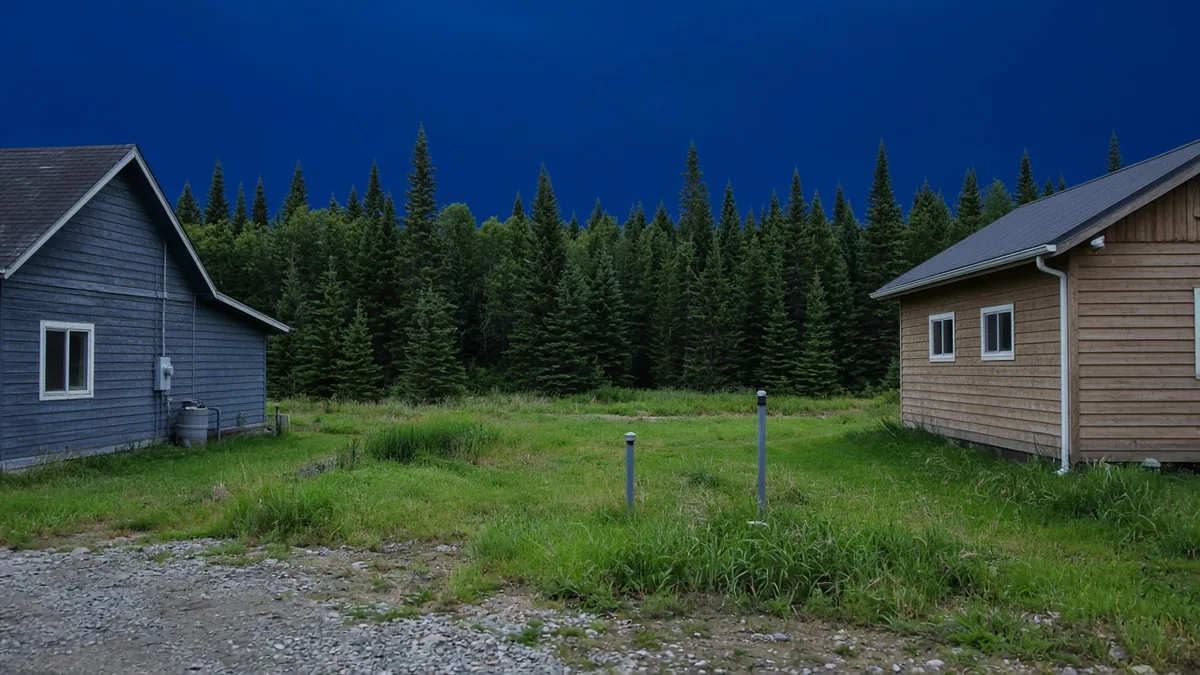
An Alaska shared septic agreement mortgage file is a house loan where more than one lot uses the same soil absorption system, the drainfield, and a recorded agreement says who may use it, who fixes it, and who may cross which lot to do the work. The tank on your lot and the field on the neighbor’s lot can be one system. The friendship that built it is not the collateral. The recording is. Buyers in Wasilla and in other borough subdivisions from older lot splits see this more often than a new city sewer map would suggest.
This is not the shared well agreement article. A shared well is about drinking water from one wellhead. A shared septic agreement is about wastewater and the drainfield. It is also not a holding tank that is pumped and hauled, and it is not the general well and septic inspection guide. Use the inspection guide for how an inspector writes up a system. Use this page for the multi-lot drainfield pact.
Alaska Home HQ is educational. It is not a lender and it is not the Department of Environmental Conservation. Rates vary. Subject to credit approval.
What an Alaska shared septic agreement mortgage commitment lists
Title looks for a recorded instrument that matches how the wastewater actually flows. The title insurance guide explains Schedule B exceptions. You want the exception, or the insured easement, to name the right lots. If three houses plumb into a field and the recorded agreement names two, the file is wrong. If the field sits on Lot A and Lot B has no right to use it or to reach it, Lot B’s house does not have a wastewater solution a lender can read.
The agreement needs boring answers. Who may connect? How many dwellings? Who pays for pumping, repairs, and a replacement field? Who decides a contractor? What happens when someone does not pay? Does the deal bind the next owner, or does it die when the original neighbor moves? A license that expires at sale is a weak mortgage story. An easement or covenant that runs with the land is what title can follow.
A PDF in a kitchen drawer is a start. Recording it in the district where the lots sit is what a later search finds. If you are the seller, record a clean agreement before you list if the current one is a handshake. Buyers inside a contract deadline cannot wait for three owners to invent terms in the last week.
Separation distances are a DEC rule, not a loan slogan
Unless the Alaska Department of Environmental Conservation has approved a lesser minimum separation distance, 18 AAC 72.100 requires at least 100 horizontal feet, measured nearest edge to nearest edge, from a private drinking-water source to a septic tank and to a soil absorption system. A shared drainfield does not get a casual shorter distance because the lots are friendly. The 100-foot figure is the Alaska rule in that section for the tank and for the soil absorption system, unless DEC has approved a lesser distance for that installation. Do not import a different number from a federal property standard and call it DEC.
The inspection still has to happen. A recorded agreement does not prove the field works. A working field does not create a missing easement. Order both reviews. If the field is on the neighbor’s parcel, the inspector needs permission to walk it. An agreement that forgets access is how a test gets cancelled.
Capacity is a design question this page will not fake with a bedroom count. The as-built or the approval, if one exists, should match the number of homes now connected. An extra cabin tied in later is a fact for DEC and for the lender, not a secret. If the paper shows one house and the ground shows two, stop and reconcile them.
What underwriters are afraid of
A field you cannot legally use. The pipes cross a lot line and nothing is recorded. The neighbor who owns the field can change their mind. The lender is financing a house that may not be allowed to dispose of wastewater.
A field you cannot reach. Repairs happen in the ground, often on someone else’s parcel. Without an easement, the pumper and the excavator are guests. Guests get turned away.
A replacement with no place to go. Drainfields fail. A shared field that fails needs a plan and a place that still meets separation from wells. If every lot is already built to the pins, a replacement can be a project, not a Saturday. The agreement should say how that cost is split before you are the new owner holding the invoice.
A fight about the bill. The house that flushes the most and the house that owns the field will disagree. The agreement is the tie-breaker. A lender would rather read it than inherit the argument.
None of that is a reason to panic over every shared system. Plenty of recorded, maintained fields support ordinary loans. The difference is the paper and the condition, not the word “shared.”
How to shop and how to package
Ask for the recording number in the first document request. Walk the field if you are allowed. Count connections. Ask when it was last pumped and who paid. Give title and the lender the recorded agreement, the as-built if you have it, and the inspection. If a new agreement must be signed, do not lock a short close. Neighbors, notaries, and a recording clerk all take calendar time.
A Permanent Fund Dividend can help with cash to close or with a repair you agree to fund. It does not record an easement by itself.
Alaska Housing Finance Corporation programs are educational. Premier Mortgage (NMLS# 1168048) does not offer AHFC loans. Any program you use still has to accept the wastewater system that serves the house.
If the agreement is recorded, the inspection is acceptable, and the separation from wells meets the rule that applies to the site, the rest of the loan is a normal file. If the agreement is missing, fix that before you waive your title and inspection deadlines.
Want a shared drainfield read with the rest of the collateral? Get a free home loan quote from Premier Mortgage (NMLS# 1168048).
Frequently Asked Questions
Is a shared septic the same as a shared well?
No. A shared well is one water source for more than one property, documented with a well agreement and a water test. A shared septic agreement is about a drainfield or treatment system that serves more than one lot. Some older properties have both, and they are two recordings and two inspections, and do not send the well PDF and call the wastewater done.
Does Alaska allow a drainfield closer than 100 feet to a well?
The Alaska figure in 18 AAC 72.100 is at least 100 horizontal feet from a private drinking-water source to a septic tank and to a soil absorption system, measured nearest edge to nearest edge, unless DEC has approved a lesser minimum separation distance for that system. A lender does not grant that lesser distance. DEC does, if it does. Absent that approval, do not plan the file around a shorter spacing.
Can I get a mortgage if the drainfield is on the neighbor’s lot?
You may, when a recorded agreement or easement lets your lot use the field and lets people maintain it, and when the system itself passes the inspection the lender requires. A handshake and a long history of sharing are not a recording. Subject to credit approval and to the property qualifying. Ask title to find the instrument before you waive objections.
What if the agreement is signed and never recorded?
Record it, if it is in recordable form and the owners will cooperate, in the district where the land lies. An unrecorded contract is easy to lose and easy for the next title search to miss. If the signed copy does not match the lots or the number of houses, rewrite it before you record a document that freezes the wrong facts. Build that time into the closing calendar.
Who pays when a shared drainfield fails?
The recorded agreement should say so. If it is silent, the owners are headed for a dispute at the worst time. Replacement also has to meet siting rules, including separation from wells. Read the cost-sharing language before you buy, and ask when the field was installed so you are not surprised by its age, and the inspection report is the condition, and the agreement is the bill.
Ready to Take the Next Step?
Get a free home loan quote today through our trusted partner.
Or call 9078411600
Disclaimer: This article is for informational purposes only and does not constitute financial, mortgage, legal, or tax advice. Interest rates, loan programs, eligibility requirements, and fees are subject to change without notice and may vary based on your individual circumstances. Alaska Home HQ is not a lender, broker, or financial institution. All loan applications are processed by Premier Mortgage (NMLS: 1168048). We may have a business relationship with Premier Mortgage and may receive compensation when you use their services through our links. Consult a licensed mortgage professional before making financial decisions. Terms of Service · Privacy Policy