Alaska USDA Loan Process: Step-by-Step 2026
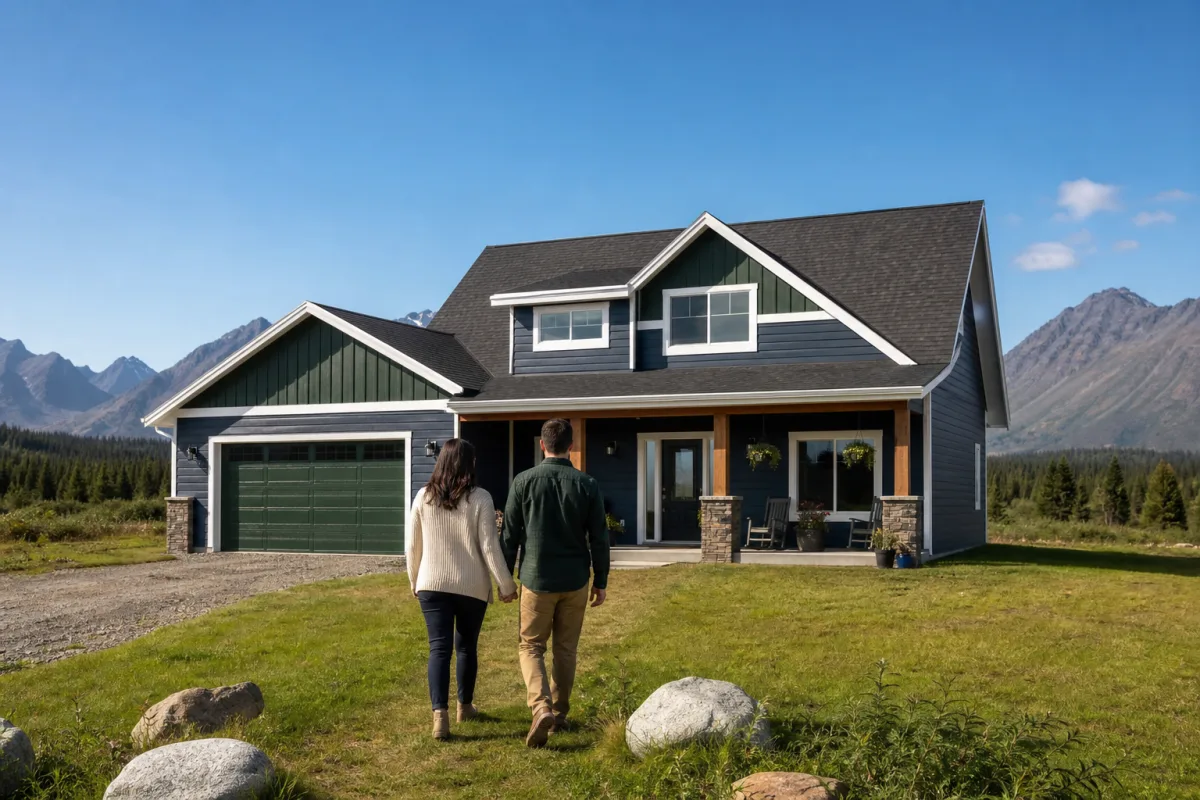
USDA loans offer Alaska buyers in eligible rural areas a zero-down payment path to homeownership. The process differs from conventional, FHA, or VA loans in several key ways, including a two-step approval involving both the lender and the USDA, specific property eligibility requirements, and a guarantee fee structure. This guide walks through each step of the 2026 Alaska USDA loan process and explains why timelines typically run 45-60 days compared to 30 days for conventional financing.
Step 1: Confirm Area and Income Eligibility
The first step is verifying that both the property location and your household income qualify for the USDA program. Alaska has designated eligible areas that include most rural and suburban communities outside the Anchorage core and parts of the Mat-Su and Kenai Peninsula.
Income limits are set by county and household size. For 2026, limits in Alaska range from roughly $100,000-$140,000 depending on location and family size. The USDA publishes updated limits annually, and lenders use these figures to pre-screen applicants.
Buyers can check area eligibility on the USDA eligibility map or through a lender’s tools. Some properties near city boundaries or in growing areas may fall in or out of eligibility year to year, so confirm early.
For broader rural financing context, see the Alaska Rural Development Loans Guide.
Step 2: Get Pre-Approved by a USDA-Approved Lender
Not every mortgage lender participates in the USDA program. You need a lender approved to originate USDA loans, which includes many Alaska community banks, credit unions, and mortgage companies. National lenders with Alaska operations often offer the program as well.
During pre-approval, the lender reviews your credit, income, assets, and debts to determine how much you can borrow. They will also confirm that your income falls within USDA limits and that you intend to occupy the home as your primary residence.
Pre-approval letters from USDA lenders carry the same weight as conventional pre-approvals when making offers. They demonstrate to sellers that you are a serious, qualified buyer.
Find USDA-approved lenders through the Alaska Mortgage Lenders Comparison resource.
Step 3: Find a Property in an Eligible Area
Once pre-approved, you can shop for homes in USDA-eligible areas. The property must be located within the program’s geographic boundaries and meet minimum property standards for safety, soundness, and functionality.
In Alaska, this often means homes with adequate heating systems, safe water and septic or sewer connections, and no major structural issues. Properties with permafrost foundations, shared wells, or limited access may require additional documentation or repairs.
Your real estate agent should be familiar with USDA requirements so they can filter listings and advise sellers on needed fixes. Not every home in an eligible zip code will qualify.
Explore eligible communities at /locations/wasilla/ and /locations/homer/.
Step 4: Property Eligibility Check and Appraisal
After you make an offer and the seller accepts, the lender orders an appraisal. USDA appraisals differ from conventional appraisals because the appraiser must confirm both the property’s market value and its eligibility under USDA guidelines.
The appraisal includes photos, a sketch of the home, and notes on condition. The appraiser also verifies that the property is in a USDA-eligible area and meets the program’s minimum standards. Issues like inadequate heating, unsafe electrical systems, or water contamination can cause the property to fail eligibility.
If the appraisal identifies required repairs, the seller may need to complete them before closing, or the buyer can negotiate concessions. Some repairs can be completed after closing with an escrow holdback, though this is less common in Alaska due to the short construction season.
Step 5: Underwriting and Conditions
USDA loans go through the lender’s underwriting process and then a second review by the USDA. The lender verifies employment, assets, credit, and income. They also ensure the property appraisal supports the loan amount.
The USDA review adds time because the agency must issue a Conditional Commitment before the lender can proceed to closing. This step typically takes 5-10 business days once the lender submits a complete package.
Common conditions include updated pay stubs, bank statements, explanations for credit inquiries, and proof of insurance. Alaska-specific items may include flood certifications even in low-risk zones and verification of heating fuel sources.
Step 6: USDA Guarantee Fee and Funding Fee
Unlike FHA or VA loans, the USDA charges a guarantee fee rather than a funding fee. For 2026, the upfront guarantee fee is 1% of the loan amount, and there is an annual fee of 0.35% paid monthly as part of the mortgage payment.
The upfront fee can be financed into the loan amount, so buyers do not need to bring it to closing in cash. The annual fee is included in the mortgage payment and helps fund the program.
This fee structure is lower than FHA mortgage insurance in most cases, making USDA loans attractive for qualifying buyers in eligible areas.
Step 7: Closing and Recording
Once the USDA issues the Conditional Commitment and all conditions are cleared, the lender schedules closing. You will receive a Closing Disclosure at least three business days before closing, as with other loan types.
At closing, you sign the loan documents, the lender funds the loan, and the deed records at the borough recorder’s office. The USDA guarantee attaches once the loan is closed and the lender submits final documentation.
Remote closings are possible in Alaska through power of attorney or electronic notarization, though coordination with the title company and lender is required. Buyers moving from out of state should plan this early.
Why USDA Timelines Average 45-60 Days
The two-step approval process is the primary reason USDA loans take longer than conventional financing. The lender underwrites the file, then the USDA reviews and issues the Conditional Commitment. This extra layer adds 7-14 days on average.
Property eligibility reviews, especially for well and septic systems common in rural Alaska, can also extend timelines. Appraisers and inspectors with USDA experience may have limited availability in some regions.
Buyers can reduce delays by providing complete documentation upfront, choosing experienced USDA lenders, and selecting properties that clearly meet eligibility standards. Working with a real estate agent familiar with the program also helps.
Compare timelines in the Alaska Home Closing Costs Guide.
Common Alaska-Specific USDA Considerations
Well and septic inspections are frequently required for rural properties. These systems must meet state and local health department standards. Older systems or those serving multiple properties may need upgrades.
Heating systems must be adequate for the climate. Wood stoves, oil furnaces, and heat pumps are all acceptable if they provide reliable heat and meet safety codes. Fuel tanks must be in good condition with no leaks.
Access to the property must be legal and year-round. Shared driveways, easements, or seasonal roads can create eligibility issues. The appraiser will note access concerns.
Stacking USDA with Other Alaska Programs
USDA loans can sometimes stack with AHFC programs or down payment assistance, though the zero-down nature of USDA already covers the primary barrier. Interest rate reduction programs through AHFC may also apply.
Buyers should confirm with their lender whether combining programs is possible and beneficial. In some cases, the additional assistance is unnecessary or creates conflicts with USDA rules.
For AHFC details, see the AHFC Loan Programs Explained guide.
Choosing the Right USDA Lender in Alaska
Experience matters. Lenders who originate a high volume of USDA loans in Alaska understand the documentation, property standards, and communication preferences of the USDA office that serves the state. This expertise speeds the process and reduces surprises.
Premier Mortgage (NMLS# 1168048) is a USDA-approved lender serving Alaska buyers. They can walk you through eligibility, pre-approval, and the full process from application to closing.
Frequently Asked Questions
How long does the full USDA loan process take in Alaska?
Most Alaska USDA loans close in 45-60 days from application. Complex properties, rural inspections, or incomplete documentation can extend timelines to 75 days or more.
Can I buy any home in Alaska with a USDA loan?
No. The property must be in a USDA-eligible area and meet the program’s minimum property standards. Homes in Anchorage proper and some urban Mat-Su areas are typically ineligible.
What income limit applies for USDA loans in Alaska?
Income limits vary by county and household size. For 2026, most Alaska counties allow incomes up to $100,000-$140,000 for a family of four. Confirm current limits with a USDA-approved lender.
Is the USDA guarantee fee financed into the loan?
Yes, the 1% upfront guarantee fee can be added to the loan amount. The 0.35% annual fee is paid monthly as part of your mortgage payment.
Can I close a USDA loan remotely if I live outside Alaska?
Yes, many Alaska title companies and lenders accommodate remote closings through power of attorney or electronic notarization. Coordinate early with your lender and title officer.
This article is for educational purposes only. Premier Mortgage (NMLS# 1168048) does not guarantee approval or specific rates. Consult your lender for personalized guidance.
Ready to Take the Next Step?
Get a free home loan quote today through our trusted partner.
Or call 9078411600
Disclaimer: This article is for informational purposes only and does not constitute financial, mortgage, legal, or tax advice. Interest rates, loan programs, eligibility requirements, and fees are subject to change without notice and may vary based on your individual circumstances. Alaska Home HQ is not a lender, broker, or financial institution. All loan applications are processed by Premier Mortgage (NMLS: 1168048). We may have a business relationship with Premier Mortgage and may receive compensation when you use their services through our links. Consult a licensed mortgage professional before making financial decisions. Terms of Service · Privacy Policy