Well & Septic Mortgage Requirements in Alaska
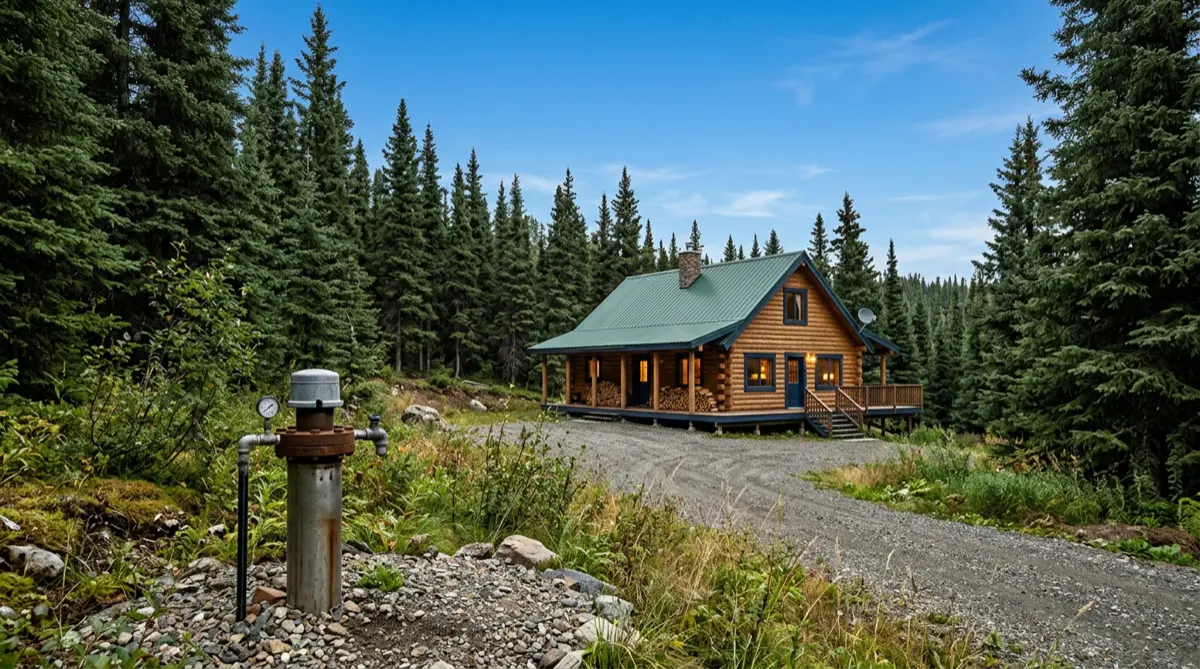
Most Alaska homes outside of Anchorage, Juneau, and a handful of larger communities rely on private wells and septic systems rather than municipal water and sewer. If you’re buying one of these properties with a mortgage, the well and septic systems will face scrutiny from your lender — and failing to meet requirements can delay or derail your closing.
Here’s what you need to know about well and septic mortgage requirements in Alaska, including what lenders check, what FHA and VA require specifically, and how to protect yourself as a buyer.
Why Lenders Care About Well and Septic Systems
When a lender finances your home purchase, the property is their collateral. If you default, they need to be able to sell the home. A property with a failed septic system, contaminated well, or inadequate water supply is worth significantly less — and may be unsellable without major remediation.
Beyond collateral protection, FHA, VA, and USDA loans have specific property condition standards (Minimum Property Standards, or MPS) that require safe drinking water and functioning sanitary waste disposal as prerequisites for financing.
Water Testing Requirements
The most consistent lender requirement for well-served properties is a water quality test — also called a potability test or well water test. Requirements vary by loan type:
FHA and VA Loans
FHA requires water testing for properties using a well, cistern, or other non-municipal water source. The appraiser will note the water source in the appraisal report, and the underwriter will order testing if the appraiser flags concerns or if FHA guidelines require it for the property type.
The standard FHA/VA water test panel typically checks for:
- Total coliform bacteria (and E. coli, if coliform is present)
- Nitrates and nitrites
- Lead (particularly in older homes with lead service lines or solder)
- Arsenic (Alaska has elevated natural arsenic in many aquifers)
- pH and hardness (general water quality indicators)
Alaska Department of Environmental Conservation (DEC) has specific standards for private water systems. Alaska DEC’s water quality resources outline applicable standards.
Conventional Loans
Conventional loans (Fannie Mae/Freddie Mac) don’t universally require water testing — it’s left to the appraiser’s discretion and the lender’s underwriting guidelines. However, most Alaska lenders will require water testing as a condition for rural or semi-rural properties, regardless of loan type.
Our recommendation: Even if your lender doesn’t require it, request a water quality test as part of your home inspection. A well water test typically costs $150–$300 and can reveal issues (arsenic, bacteria) that are invisible and expensive to remediate.
Well Distance Rules
One of the most common deal-killers in rural Alaska real estate transactions involves well-to-septic separation distances. Both FHA and Alaska state regulations require minimum distances between the water supply well and potential contamination sources — and the state standard is stricter than the federal one:
| From Well To: | FHA/HUD Minimum | Alaska DEC Minimum |
|---|---|---|
| Septic tank | 50 feet | 100 feet |
| Septic drain field / soil absorption system | 100 feet | 100 feet |
| Property line | 10 feet | 10 feet |
| Fuel storage tank | 25 feet | Varies |
| Animal yards/pens | 50 feet | 50 feet |
Under 18 AAC 72.100(a)(1), Alaska’s Department of Environmental Conservation (DEC) requires a minimum 100-foot horizontal separation between a private well and a septic tank, drain field, or other wastewater component — DEC does not use FHA’s lower 50-foot tank distance. DEC is the managing agency for onsite wastewater disposal systems in Alaska, so its 100-foot standard is the one that actually governs the septic system, regardless of loan type.
If a property’s well is closer to the septic system than these minimums, FHA will not insure the loan without either relocating the well or obtaining a waiver, and separation distances may also be evaluated and lessened through Alaska DEC’s waiver process under 18 AAC 72.060 — most waivers require testing showing the water is unaffected by the proximity. VA has similar requirements.
Before making an offer on a rural property, ask the seller for documentation of the well location and septic system layout. Many Mat-Su Borough properties and Kenai Peninsula homes have site plans on file that show these distances. Questions about Alaska wastewater disposal regulations can be directed to Alaska DEC’s Engineering Support and Plan Review section or septic.alaska.gov.
Buying a rural Alaska home with a well and septic? Get a free mortgage quote from Premier Mortgage (NMLS# 1168048) — they understand Alaska’s rural properties.
Septic System Requirements
Your lender’s appraiser will visually inspect the septic system area (or note that an inspection is recommended) as part of the appraisal. However, a mortgage appraiser is not a septic inspector — their role is limited.
What Lenders Require
For FHA and VA loans, the septic system must:
- Be in working order with no evidence of backup or overflow
- Have adequate capacity for the home’s size (number of bedrooms determines minimum tank and drain field sizing)
- Not be using an unapproved system type (some older Alaska properties have cesspools or holding tanks that don’t meet current standards)
The Importance of a Septic Inspection
A full septic inspection — separate from the appraisal — is strongly recommended for any property with a private septic system. A licensed septic inspector will:
- Pump the tank and inspect the condition of the inlet/outlet baffles
- Perform a dye test to verify the drain field is functional
- Check the distribution box for proper flow
- Inspect for signs of failure: wet spots over the drain field, sewage odors, slow draining
Septic inspections typically cost $300–$600 in Alaska, depending on location and pump fees. Septic system replacement — if the system has failed — can run $15,000–$30,000 or more in Alaska. The inspection cost is a bargain relative to the risk.
Alaska DEC maintains records on some permitted septic systems. Your real estate agent or lender may be able to pull records through the Alaska DEC Onsite/Decentralized Program.
Well Flow Rate Requirements
Beyond water quality, FHA and VA require a minimum well flow rate — the well must produce water fast enough to meet the household’s daily needs.
FHA’s minimum flow rate is 3 gallons per minute for a single-family home. VA has similar standards. Your lender’s appraiser or a well company can perform a flow rate test (also called a pump test or well yield test). Flow tests typically cost $200–$400 in Alaska.
A well that produces only 0.5–1 GPM can sometimes be acceptable if paired with a storage tank system (the well drips into a large holding tank that then feeds the household), but lenders may require additional documentation.
What Happens if the Well or Septic Fails Inspection?
If the water test comes back positive for bacteria or other contaminants, you have a few options:
- Require the seller to treat or correct the issue: The most common approach for bacteria — sellers can shock-chlorinate the well and retest
- Negotiate a price reduction: Use the remediation cost to negotiate a lower purchase price
- Walk away: If the issue is severe (arsenic above MCLs, failed septic system), it may be better to move on
For a failed septic system, the cost to remediate is high enough that it typically becomes a purchase price negotiation or a deal-breaker. Get repair cost estimates before deciding how to proceed.
Shared Wells: Additional Requirements
Some rural Alaska properties share a well with one or more neighboring parcels. Shared wells present unique mortgage challenges:
- Documentation required: FHA requires a recorded well-sharing agreement that guarantees each party’s rights to use and maintain the well
- Maintenance cost-sharing: The agreement should address who pays for repairs, testing, and eventual replacement
- Lender discretion: Some lenders decline to finance properties with shared wells unless the agreement is robust and recorded
If you’re buying a property with a shared well, involve a real estate attorney to review the sharing agreement before closing.
Wasilla and Mat-Su Valley: A Common Scenario
The Matanuska-Susitna Borough has a high concentration of properties on private wells and septic — including many subdivisions in and around Wasilla that were developed before municipal water and sewer were available. The Wasilla area is one of the most active markets for well-and-septic properties in the state.
If you’re buying in the Mat-Su Valley, expect your lender to require a water test and recommend a septic inspection. Many Wasilla-area real estate agents now include these as standard in their purchase agreements. Also see our guide to FHA loans in Alaska for the full eligibility picture.
Frequently Asked Questions
Do all Alaska home purchases with wells require water testing?
FHA and VA loans require water testing on properties using a private well. Conventional loans may not require it by program rules, but many Alaska lenders require testing as their own underwriting condition. Even when not required, buyers should always request a water quality test — it’s cheap compared to the cost of a contaminated water supply.
What contaminants are most common in Alaska well water?
Arsenic is a naturally occurring contaminant found in many Alaska aquifers, particularly in the Mat-Su Valley and Kenai Peninsula. Bacteria (coliform and E. coli) from improper well construction or proximity to surface contamination is also common. Nitrates are elevated near agricultural land and older septic systems. Always test for the full standard panel, not just bacteria.
How far must an Alaska well be from a septic system?
Under Alaska DEC regulation 18 AAC 72.100(a)(1), the minimum separation distance between a private well and a septic tank or drain field is 100 feet — this is the state standard that governs onsite wastewater disposal in Alaska. HUD/FHA’s own standard is slightly looser (50 feet to the tank, 100 feet to the drain field), but Alaska’s 100-foot rule applies regardless. Lesser distances may be granted through DEC’s waiver process under 18 AAC 72.060. Separation distances must be verifiable by site plan or survey — “eyeballing” is not sufficient for a lender.
Can I get an FHA loan if the septic system needs replacement?
A failed septic system — one that is actively failing or has been condemned — will typically prevent FHA financing unless the seller agrees to replace it before closing, or the purchase is structured as a FHA 203(k) rehabilitation loan that rolls the repair cost into the mortgage. Speak with an FHA-approved lender about FHA 203(k) renovation loans in Alaska if the property needs major system repairs.
Who pays for well and septic testing in Alaska?
This is a negotiation between buyer and seller, but in most Alaska transactions the buyer pays for the water test (ordered as part of their home inspection contingency) and the septic inspection. Sellers sometimes agree to pay for these inspections upfront to prevent surprises. If problems are discovered, the cost of remediation is negotiated separately.
Ready to Take the Next Step?
Get a free home loan quote today through our trusted partner.
Or call 9078411600
Disclaimer: This article is for informational purposes only and does not constitute financial, mortgage, legal, or tax advice. Interest rates, loan programs, eligibility requirements, and fees are subject to change without notice and may vary based on your individual circumstances. Alaska Home HQ is not a lender, broker, or financial institution. All loan applications are processed by Premier Mortgage (NMLS: 1168048). We may have a business relationship with Premier Mortgage and may receive compensation when you use their services through our links. Consult a licensed mortgage professional before making financial decisions. Terms of Service · Privacy Policy