Home Heating in Alaska: Systems, Costs & Tips
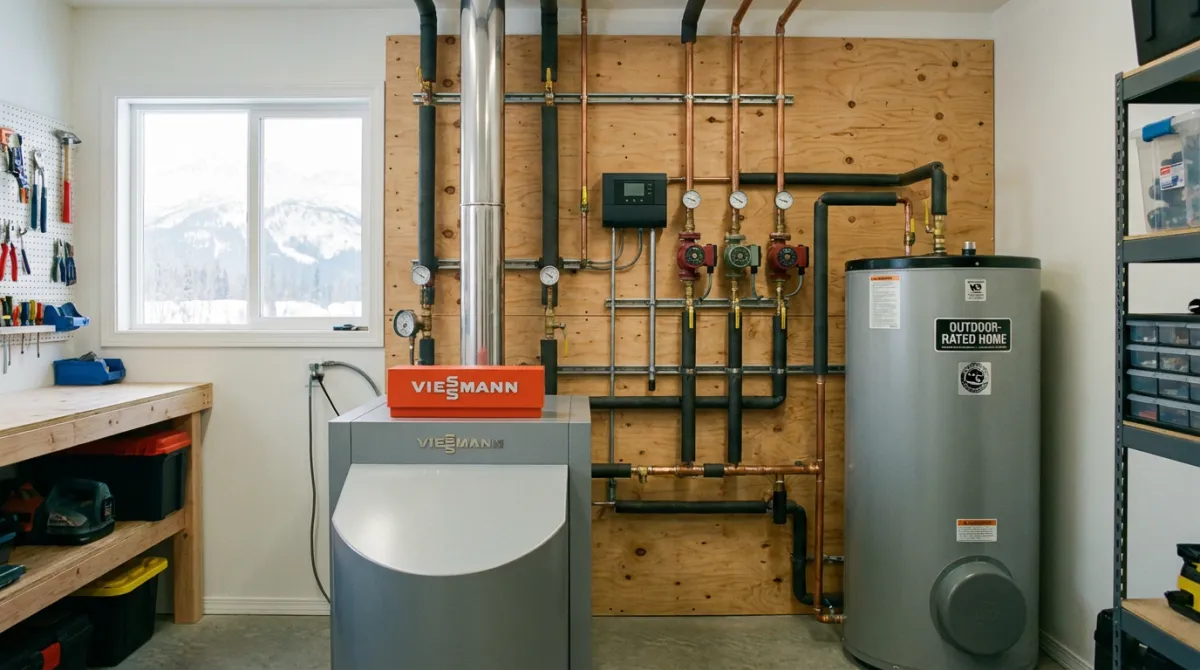
Heating isn’t optional in Alaska — it’s survival. When outside temperatures sit at -20°F for weeks and can plunge to -40°F or beyond in the Interior, your heating system is the most critical piece of equipment in your home. It’s also likely your biggest monthly expense, often exceeding the mortgage payment during peak winter months.
Choosing the right heating system, maintaining it properly, and understanding your fuel options can mean the difference between manageable heating bills and financial strain. This guide covers the major heating systems used across Alaska, what they typically cost to run, and how to get the most out of whatever system you have.
Heating Systems Used in Alaska
Alaska doesn’t have a one-size-fits-all heating solution. What works well in Anchorage may not make sense in Fairbanks, and what’s practical on the road system may be impossible in a bush community. Here’s what’s out there.
Oil/Diesel (Toyo and Forced-Air)
Heating oil remains the most common fuel source in Alaska, especially outside the areas served by natural gas. Roughly 30% of Alaska households heat with oil, and in rural areas that number is much higher.
Two main system types:
- Toyo stoves (monitor heaters): Direct-vent, oil-fired space heaters popular throughout Alaska. They’re efficient, reliable, and relatively inexpensive to install. Many Alaska homes rely on a single Toyo unit as their primary heat source. Modern units typically run at 80–87% efficiency.
- Forced-air furnaces: Central heating with ductwork. More even heat distribution throughout the home, but higher installation costs and more maintenance. Oil-fired furnaces typically run at 80–85% efficiency, with high-efficiency models reaching 87%+.
Costs:
- Heating oil prices in Alaska fluctuate significantly. In Anchorage, prices have typically ranged from $3.50–$5.50 per gallon in recent years. Rural communities may pay $7–$10+ per gallon due to transportation costs.
- A typical Anchorage home may burn 800–1,200 gallons per heating season
- At $4.50/gallon, that’s roughly $3,600–$5,400 per season
#1 vs. #2 heating oil:
- #2 heating oil is the standard, denser fuel with more BTUs per gallon. It’s what fills most tanks.
- #1 heating oil (kerosene) is lighter and flows better in extreme cold. When temperatures drop below -20°F, #2 oil can gel and clog fuel lines. Many suppliers blend or switch to #1 during deep cold.
- #1 costs more per gallon and produces slightly fewer BTUs, but it’s essential for reliable operation in the coldest conditions.
Natural Gas
Natural gas is available primarily in the Anchorage bowl, the Kenai Peninsula, and parts of the Mat-Su Valley. If you’re in a service area, natural gas is typically the most cost-effective heating fuel.
- Average monthly heating cost: $150–$350 during winter months for a typical Anchorage home
- Annual heating cost: Roughly $1,200–$2,800 depending on home size, insulation, and thermostat habits
- System types: Forced-air furnaces (most common), boilers for hydronic/radiant floor systems
- Efficiency: Modern gas furnaces run at 92–98% efficiency (condensing models)
Natural gas prices in Southcentral Alaska have historically been among the lowest in the nation, thanks to Cook Inlet gas production. However, supply concerns have caused some price volatility in recent years.
If you’re buying a home in Alaska and have a choice between areas, access to natural gas is a significant factor in long-term operating costs.
Wood and Pellet Stoves
Wood heat has a long history in Alaska and remains popular, especially in communities with access to firewood.
- Cord wood: A cord of birch in Southcentral Alaska typically costs $250–$400 delivered. A well-insulated home may burn 4–6 cords per winter. Spruce burns faster and produces less heat per cord.
- Pellet stoves: Use compressed wood pellets, typically sold in 40-pound bags. A ton of pellets (about 50 bags) costs $250–$350 in Alaska. A pellet stove may burn 2–4 tons per season.
- Efficiency: Modern EPA-certified wood stoves run at 70–80% efficiency. Pellet stoves typically hit 75–85%.
Advantages:
- Fuel is locally available in many areas
- Provides heat during power outages (wood stoves don’t need electricity; pellet stoves typically do)
- Supplemental heat can significantly reduce oil or gas consumption
Considerations:
- Creosote buildup in chimneys requires annual cleaning and inspection
- Insurance companies may have requirements for wood stove installations (clearances, hearth pads, chimney type)
- Air quality regulations in Fairbanks limit wood burning on certain days due to PM2.5 levels in the winter inversion layer
- Requires physical effort — cutting, splitting, stacking, and hauling wood
Heat Pumps (Air-Source)
Heat pumps are the newest entrant to Alaska’s heating market, and they’re growing rapidly — particularly in Southcentral Alaska.
Modern cold-climate air-source heat pumps (sometimes called mini-splits) can operate effectively at temperatures down to -15°F to -20°F, with some models rated to -25°F. They work by extracting heat from outdoor air, even when it’s cold.
- Best suited for: Anchorage, Kenai Peninsula, Juneau, Kodiak — areas where temperatures rarely stay below -20°F for extended periods
- Less practical for: Fairbanks and Interior Alaska, where prolonged periods below -30°F exceed the operating range of most current models
- Efficiency: Heat pumps can deliver 2–3 units of heat for every unit of electricity consumed, making them extremely efficient in their operating range
- Cost to install: $4,000–$8,000 for a single-zone mini-split; $12,000–$25,000+ for a multi-zone whole-home system
Heat pumps typically work best as a supplemental system in Alaska, paired with an oil or gas backup for the coldest periods. When running within their efficient range, they can dramatically reduce fuel consumption.
Electric Baseboard
Electric baseboard heaters are simple, cheap to install, and require zero maintenance. They’re also the most expensive way to heat a home in most of Alaska.
- Electricity rates in Alaska range from roughly $0.12/kWh in Anchorage to $0.50+/kWh in rural communities
- Monthly cost: A home heated entirely by electric baseboard in Anchorage might see winter electric bills of $400–$800+
- Best use case: Supplemental heat in specific rooms, or as a backup system. Not recommended as a primary heat source in most of Alaska unless electricity rates are unusually low.
Average Heating Costs by City
Heating costs vary dramatically across Alaska based on fuel availability, climate severity, and local utility rates.
| City | Primary Fuel | Typical Annual Cost |
|---|---|---|
| Anchorage | Natural Gas | $1,200–$2,800 |
| Wasilla | Natural Gas/Oil | $1,800–$3,500 |
| Fairbanks | Oil/Wood | $3,500–$6,000+ |
| Juneau | Oil/Electric | $2,500–$4,500 |
| Kenai | Natural Gas | $1,200–$2,500 |
| Kodiak | Oil/Electric | $3,000–$5,000 |
| Bethel | Oil | $5,000–$9,000+ |
| Barrow (Utqiaġvik) | Oil | $6,000–$12,000+ |
These are rough estimates and vary significantly based on home size, insulation quality, thermostat settings, and fuel prices at the time of purchase.
Efficiency Tips That Actually Matter
Small habits and upgrades can meaningfully reduce your heating bills without compromising comfort.
Thermostat Management
- Every degree matters. Lowering your thermostat by 1°F may reduce heating costs by roughly 3%. Setting it to 68°F instead of 72°F could save 10–12% on your heating bill.
- Use setback cautiously. In moderate climates, programmable thermostats save money with overnight setbacks. In Alaska, deep setbacks (below 60°F) risk frozen pipes and force the system to work harder to recover. A modest setback of 2–3°F overnight is typically safe in well-insulated homes.
Air Sealing
Air leaks are often a bigger problem than insulation gaps. Common leak points include:
- Electrical outlets and switch plates on exterior walls
- Plumbing and wiring penetrations through floors and ceilings
- Recessed lighting fixtures in insulated ceilings
- The attic hatch or pull-down stairs
- Where the chimney passes through the ceiling/roof
A blower door test (available through AHFC’s energy programs) can identify exactly where your home is losing air. Sealing these leaks is often the most cost-effective efficiency improvement you can make.
Insulation Upgrades
- Attic: The easiest and most impactful area to add insulation. Target R-49 to R-60+ for Alaska.
- Walls: More disruptive to upgrade but valuable in older homes. Blown-in insulation can sometimes be added through small holes without removing drywall.
- Floors and crawl spaces: Critical in homes on pier and post foundations, which are common in areas with permafrost.
Heating System Maintenance
- Replace furnace filters monthly during the heating season. A clogged filter restricts airflow and reduces efficiency.
- Annual professional tune-up — catches small problems before they become big ones and keeps the system running at peak efficiency.
- Bleed radiators on hydronic systems if they’re not heating evenly.
AHFC Energy Programs and Rebates
The Alaska Housing Finance Corporation offers several programs that may help reduce heating costs:
Home Energy Rebate Program
Homeowners who complete qualifying energy improvements may receive rebates based on the efficiency gains achieved. The process involves:
- Getting a pre-improvement energy rating from a certified rater
- Completing the upgrades
- Getting a post-improvement rating
- Receiving a rebate based on the improvement in your home’s energy score
Qualifying improvements may include insulation, air sealing, window upgrades, and heating system replacements.
Weatherization Assistance Program
Income-qualifying homeowners may receive free weatherization improvements through this federally funded program administered by AHFC. Services may include insulation, air sealing, heating system repair or replacement, and ventilation improvements.
Second Mortgage Program
AHFC offers supplemental financing that may be used for energy-efficiency improvements. This can be combined with the rebate program to offset the cost of major upgrades.
For more on Alaska housing programs and costs, see our guide on Alaska housing costs and cost of living.
Choosing the Right System for Your Home
If you’re building new, replacing an aging system, or buying a home and evaluating heating options, here’s a practical framework:
Choose natural gas if you’re in a service area. It’s typically the most affordable option with the lowest maintenance requirements.
Choose oil with a modern high-efficiency unit if natural gas isn’t available. Pair it with a well-insulated home and consider supplemental wood or heat pump heating.
Consider a heat pump if you’re in Southcentral Alaska or Southeast and want to reduce fuel consumption. Plan for a backup system for the coldest periods.
Consider wood/pellet as a supplement if you have access to affordable firewood and are willing to put in the labor. It’s a great backup during power outages.
Avoid electric baseboard as primary heat unless your electricity rates are exceptionally low or you have no other option.
When to Call a Heating Professional
Heating systems in Alaska work harder and longer than almost anywhere else in the country. Don’t wait for a failure — annual maintenance is essential, and certain signs warrant an immediate call:
- Unusual noises, smells, or smoke from the heating system
- Uneven heating or rooms that won’t warm up
- Yellow or flickering pilot light (gas systems) — may indicate carbon monoxide risk
- Rising fuel consumption without a change in habits
- System cycling on and off frequently
- Any sign of fuel or exhaust leaks
Need to finance a new heating system? A HELOC or home equity loan from Premier Mortgage can cover the cost of a boiler replacement, heat pump installation, or wood stove setup. Premier Mortgage | NMLS# 1168048 | Equal Housing Lender
Whether you need an annual tune-up, emergency repair, or are considering a system upgrade, connecting with a qualified local professional is the first step. In Alaska, your heating system isn’t just comfort — it’s protection against some of the harshest conditions on the continent.
Frequently Asked Questions
What is the most efficient heating system for Alaska homes?
Natural gas forced-air furnaces are the most cost-effective option where natural gas is available, primarily in Anchorage, the Mat-Su Valley, and parts of Fairbanks. For areas without natural gas, air-source heat pumps rated for cold climates have become increasingly viable. Ground-source heat pumps offer excellent efficiency but have high upfront costs. The best system depends on your location, home size, and available fuel sources.
How much does it cost to heat a home in Alaska per month?
Monthly heating costs in Alaska vary widely — from $150 to $500+ per month depending on home size, insulation quality, fuel type, and outside temperature. Natural gas is the most affordable fuel, while heating oil and propane cost significantly more. Interior Alaska homes facing -40°F winters will spend more than Southcentral homes with milder winter temperatures.
How often should I service my heating system in Alaska?
Annual professional maintenance is essential for any heating system in Alaska. Schedule service in late summer or early fall before the heating season begins. A technician should clean burners, check heat exchangers for cracks, test safety controls, and verify adequate combustion efficiency. Skipping annual service risks breakdowns during the coldest months.
Is a heat pump worth it in Alaska?
Cold-climate air-source heat pumps have improved dramatically and can operate efficiently down to -15°F or lower. They work well as a supplemental or primary heating source in Southcentral Alaska, though they may need backup heat for the coldest Interior Alaska temperatures. The electricity cost per BTU is often lower than oil or propane, making them financially attractive where electric rates are reasonable.
What temperature should I keep my Alaska home in winter?
Most Alaskans keep their thermostat between 65°F and 70°F during the day and slightly lower at night. Never set the temperature below 55°F, even when away, to prevent frozen pipes. Programmable or smart thermostats help optimize energy use without risking freeze damage. If you leave your home for an extended period in winter, have someone monitor it or install a freeze alarm.
Finance Your Home Improvement Project
A HELOC or home equity loan from Premier Mortgage lets you tap your home's value to fund renovations, repairs, and upgrades at competitive rates.
Or call 9078411600
Disclaimer: This article is for informational purposes only and does not constitute financial, mortgage, legal, or tax advice. Interest rates, loan programs, eligibility requirements, and fees are subject to change without notice and may vary based on your individual circumstances. Alaska Home HQ is not a lender, broker, or financial institution. All loan applications are processed by Premier Mortgage (NMLS: 1168048). We may have a business relationship with Premier Mortgage and may receive compensation when you use their services through our links. Consult a licensed mortgage professional before making financial decisions. Terms of Service · Privacy Policy