Alaska ADU Guide: Rules, Financing & Options
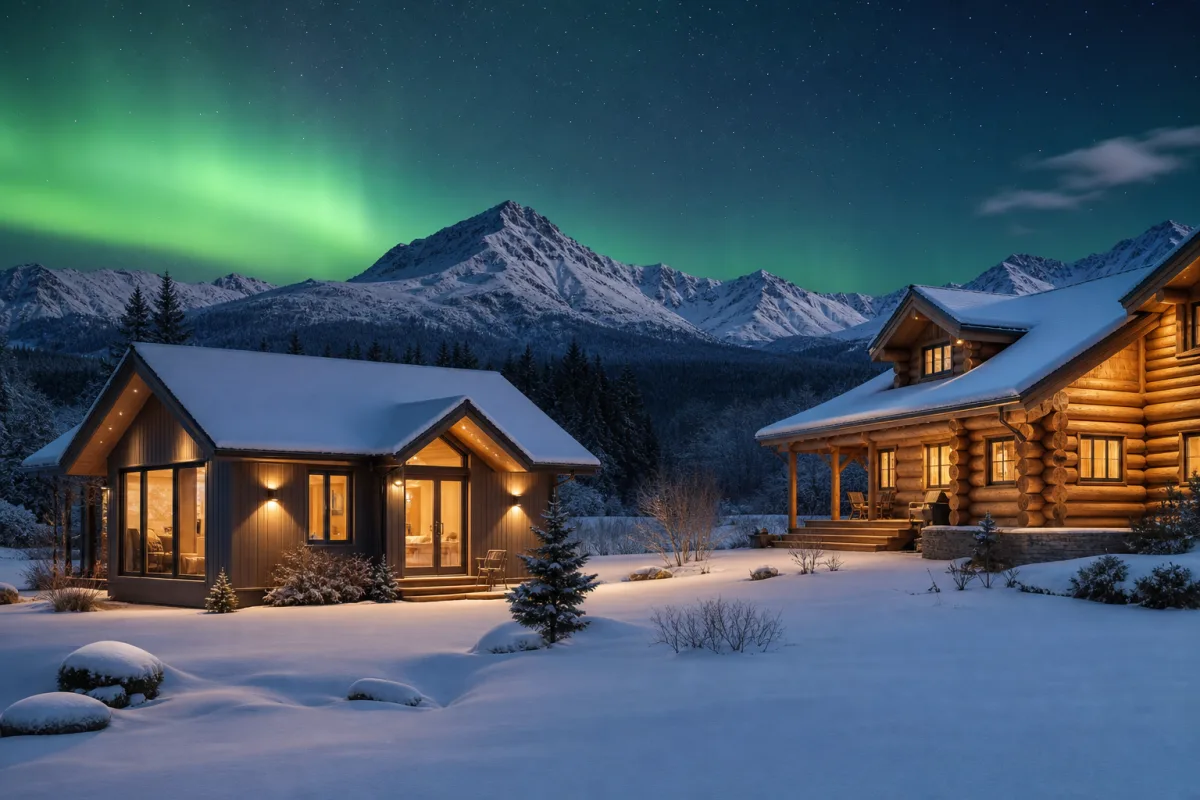
Accessory dwelling units, or ADUs, offer Alaska homeowners a way to create additional living space, generate rental income, or accommodate multi-generational families. From Anchorage zoning rules to Mat-Su Borough allowances, financing options through FHA multi-unit programs, and using rental income to qualify for larger mortgages, ADUs have become an increasingly popular strategy. This guide covers the practical details for 2026 buyers and property owners.
What Counts as an ADU in Alaska
An accessory dwelling unit is a secondary housing unit on the same lot as a primary residence. Common types include attached suites above garages, detached cottages, basement apartments, and garage conversions. The unit must include independent kitchen, bathroom, and sleeping facilities.
Alaska’s diverse boroughs and municipalities set their own rules. What works in Anchorage may not be permitted in the Mat-Su Valley or Fairbanks North Star Borough. Always verify local zoning before purchasing or building an ADU.
ADUs can be stick-built, modular, or converted from existing structures. Many Alaska homeowners convert detached garages or build small cabins on larger lots. The key is ensuring the unit meets building codes for safety, insulation, and utilities.
Anchorage MOA Zoning Rules for ADUs
The Municipality of Anchorage allows ADUs in most residential zones, subject to size, height, and parking requirements. The unit typically cannot exceed 1,000 square feet or 40% of the primary home’s floor area, whichever is smaller.
Detached ADUs must maintain setbacks from property lines and cannot exceed the height of the main dwelling in many zones. Parking requirements often mandate one additional off-street space for the ADU.
Homeowners in Anchorage should check the current zoning code and obtain a building permit before construction. The MOA planning department reviews applications for compliance with neighborhood compatibility standards. Some homeowners associations impose additional restrictions beyond municipal rules.
For Anchorage-specific real estate context, visit /locations/anchorage/.
Mat-Su Borough ADU Allowances
The Mat-Su Borough generally permits ADUs on larger lots, with fewer restrictions than Anchorage in rural areas. Properties in the core areas around Wasilla and Palmer follow borough code that allows one ADU per lot in most residential districts.
Size limits and setback rules apply, but the borough’s larger average lot sizes make detached ADUs more feasible. Homeowners often build guest houses or rental units to offset mortgage costs.
Mat-Su also sees more garage conversions and mother-in-law suites because of the prevalence of large, single-family properties. Check with the borough planning division for current permitting requirements and any recent code updates.
Explore Mat-Su opportunities at /locations/wasilla/.
Financing an ADU Purchase or Construction
Financing an ADU can happen through several channels. Home equity loans or HELOCs let existing homeowners tap equity for construction. New buyers can pursue construction-to-permanent loans that roll the build cost into the primary mortgage.
FHA loans offer a multi-unit option where the ADU counts as a second unit, potentially allowing buyers to qualify with a lower down payment. The property must meet FHA standards for the additional unit, including separate utilities and egress.
VA loans also permit multi-unit financing under certain conditions, which can benefit veterans looking to house extended family or generate income. USDA loans have rural property rules that may accommodate ADUs on eligible parcels.
Learn about multi-unit financing in the FHA Loans Alaska Guide.
Using Rental Income to Qualify for a Larger Mortgage
When an ADU generates rental income, lenders may include a portion of that income in your debt-to-income calculation. This can help you qualify for a larger loan amount than the primary residence alone would support.
FHA and conventional lenders typically count 75% of the projected rental income after subtracting the mortgage payment on the ADU portion. You will need a lease or market rent analysis from the appraiser to document the income.
This strategy works best when the ADU is already rented or has a strong rental history. For new construction ADUs, lenders may require a lease agreement before counting the income.
See how rental income factors into qualification in the Alaska Down Payment Assistance 2026 guide.
FHA Multi-Unit Loan Options for ADUs
FHA loans allow borrowers to purchase or refinance a property with up to four units, including the primary residence and ADUs. The down payment requirement remains 3.5% for owner-occupied properties, and the loan limit adjusts based on the number of units.
The ADU must be a legal, conforming unit with its own kitchen, bath, and entrance. Appraisers will value the property based on both the primary home and the rental unit’s income potential.
This approach lets buyers purchase a property with an existing ADU or build one after closing using FHA renovation options. It is particularly useful in high-cost areas where rental income helps cover the mortgage.
Review FHA specifics for Alaska at /resources/home-loans/fha-loans-alaska/.
Types of ADUs: Attached, Detached, and Garage Conversions
Attached ADUs share a wall or floor with the primary home, often above a garage or in a basement. They are generally less expensive to build because they use existing utilities and structure. Privacy can be a concern if soundproofing is inadequate.
Detached ADUs sit on the same lot but are separate structures. They offer more privacy and can function as true rental units or guest houses. Costs are higher due to new foundations, utilities, and site work, but the finished product often commands higher rents.
Garage conversions transform an existing garage into living space. This option is popular in Anchorage and Wasilla where lots are smaller. The conversion must include insulation, heating, windows, and a legal kitchen. Check zoning to ensure the garage can be converted without losing required parking.
Permitting and Code Compliance
Every ADU project in Alaska requires permits from the local building department. Plans must show structural details, electrical, plumbing, and energy code compliance. Inspections occur at key stages to ensure safety.
In permafrost areas, foundation design requires special engineering. Coastal communities may have additional flood zone or setback rules. Always work with licensed contractors familiar with local codes.
Failing to obtain permits can result in fines, inability to sell the property later, or insurance complications. Document everything and keep records for future buyers.
Rental Income Potential Across Alaska Markets
Anchorage ADUs in desirable neighborhoods can rent for $1,200-$2,000 per month depending on size and amenities. Wasilla and Palmer units often rent for $900-$1,500. Fairbanks sees slightly lower rates but strong demand near military bases.
Juneau’s limited land supply makes ADUs especially valuable, with rents often exceeding $1,500 for well-located units. Homer and Kenai Peninsula properties attract seasonal renters, which can boost annual income but requires management.
Factor in vacancy, maintenance, and property management costs when projecting net income. Many owners use property managers for 8-10% of rent.
For Juneau market details, see /locations/juneau/.
Multi-Generational Living Benefits
ADUs allow families to house aging parents, adult children, or caregivers without sacrificing privacy. This arrangement has grown popular in Alaska where family support networks and high living costs make shared housing practical.
Financing for multi-generational homes may qualify for AHFC programs that recognize the additional unit. Lenders view these properties favorably when the ADU provides independent living space.
Design considerations include accessible entrances, single-level living options, and separate utilities for privacy and future rental potential.
Investment Strategy Considerations
Investors use ADUs to increase cash flow and property value. A well-designed ADU can add $50,000-$150,000 to a property’s market value while generating ongoing income.
However, management responsibilities, tenant turnover, and local rent control discussions in Anchorage require careful planning. Some neighborhoods have restrictions on short-term rentals that affect ADU use.
Run numbers carefully, including property taxes, insurance increases, and maintenance reserves. A realistic pro forma helps avoid overpaying for ADU potential.
Working with Lenders Experienced in ADUs
Not every lender understands ADU financing or multi-unit qualification. Choose a lender familiar with Alaska’s unique programs and FHA multi-unit guidelines. They can structure the loan to maximize your purchasing power.
Premier Mortgage (NMLS# 1168048) has experience with ADU projects across Anchorage, the Mat-Su, and beyond. They can explain how rental income factors into your approval and which loan programs fit your goals.
Frequently Asked Questions
Can I count ADU rental income on my mortgage application in Alaska?
Yes, most lenders will include 75% of documented rental income when qualifying you for a loan. You need a lease or appraiser’s market rent analysis to support the figure.
Do all Alaska boroughs allow ADUs?
Rules vary. Anchorage and the Mat-Su Borough permit ADUs with restrictions. Some rural boroughs have minimal zoning, while others limit or prohibit them. Always check local code before buying or building.
What is the typical cost to build a detached ADU in Alaska?
Costs range from $150,000-$300,000 depending on size, location, foundation type, and finishes. Permafrost or remote sites increase expenses significantly.
Can I use a VA loan to purchase a home with an ADU?
VA loans can finance multi-unit properties including ADUs under specific conditions. The property must meet VA minimum property requirements, and the veteran must occupy one unit.
Are there grants or rebates for building energy-efficient ADUs?
AHFC offers energy efficiency incentives that can apply to ADUs. New construction rebates and weatherization programs may offset costs if the unit meets program standards.
This article is for educational purposes only. Premier Mortgage (NMLS# 1168048) does not guarantee approval or specific rates. Consult your lender for personalized guidance.
Ready to Make Your Move?
Get pre-approved for your home loan first — it gives you a competitive edge. Need a listing agent? We can help.
Or call 9078411600 · or email contact@akhomehq.com
Disclaimer: This article is for informational purposes only and does not constitute financial, mortgage, legal, or tax advice. Interest rates, loan programs, eligibility requirements, and fees are subject to change without notice and may vary based on your individual circumstances. Alaska Home HQ is not a lender, broker, or financial institution. All loan applications are processed by Premier Mortgage (NMLS: 1168048). We may have a business relationship with Premier Mortgage and may receive compensation when you use their services through our links. Consult a licensed mortgage professional before making financial decisions. Terms of Service · Privacy Policy