Alaska Dock on State Tidelands
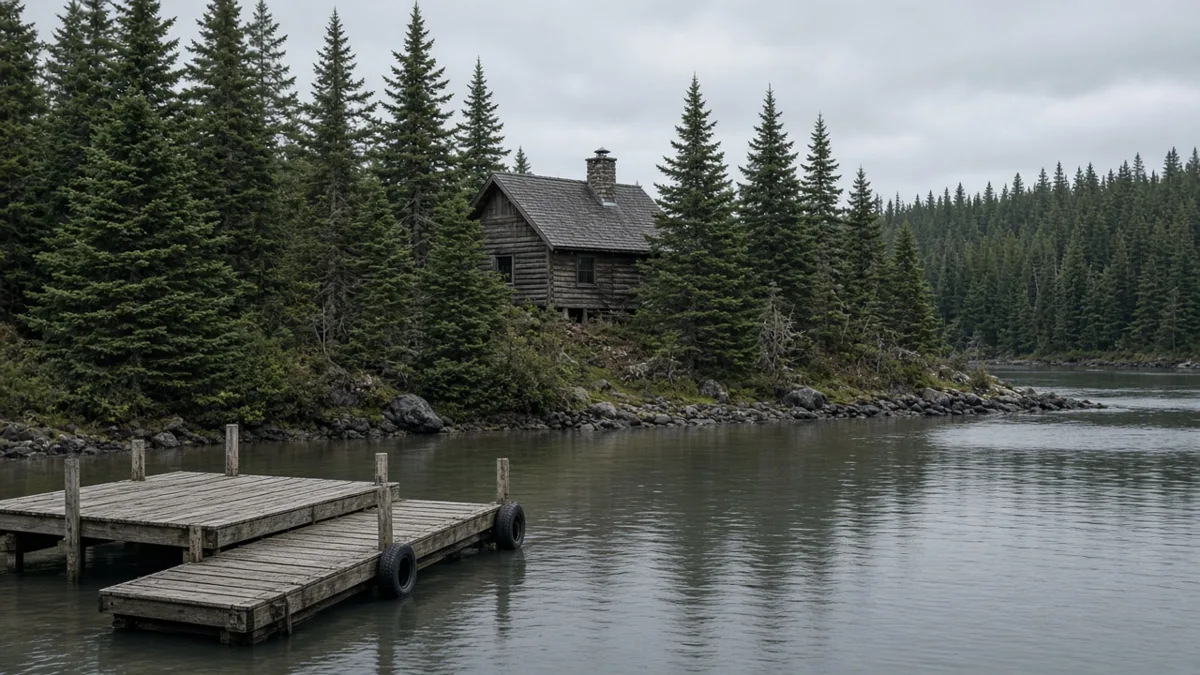
An Alaska dock on state tidelands sits on land the upland deed usually does not include. The beach and the bed under a float are often state tidelands or shorelands. The dock needs its own permission from the landowner of that bottom, which is often the Alaska Department of Natural Resources. Alaska Home HQ is educational. It is not DNR and it is not a lender. Who owns the line between the upland and the water is the beach page. This page is the structure past that line.
The deed stops, the dock does not
Buyers in Homer, Southeast, and along rivers see a float, a ramp, and a walkway and assume they bought them with the house. The purchase contract conveys the real estate in the deed. If the deed ends at mean high water, or at ordinary high water on a river, the dock is not inside that line. It may be personal property the seller can convey by bill of sale. The right to keep it there is a lease, a permit, or a trespass. Those are not the same paper.
Ask for the authorization number and the name on it. A DNR tideland lease or a shoreland permit should be in the seller’s file if one was issued. Read the term, whether it transfers, and what rent is due. A lease in the seller’s name that cannot be assigned is not your lease. A permit that expired is not a permit. A neighbor’s authorization for a different float does not cover yours. DNR’s public pages describe tideland and shoreland authorizations. The document in the file is the one that matters, not a general brochure.
If there is no authorization, do not close on a plan to “apply later” unless you have priced the chance that DNR says no, or says yes at a rent and a survey cost you did not include. Applying is not possessing. Some buyers walk. Some buyers cut the price by the cost of a new authorization and the risk. Neither choice is obvious from the listing photo of the skiff.
The loan and the insurance
Lenders lend on the upland and on rights the title policy will insure. A dock on state land is often not in the appraised real estate, or it is in the appraisal as a feature the lender will not treat as collateral they can foreclose in the ordinary way. Ask the lender whether the value includes the dock. If your offer priced the dock as if it were a garage, and the appraisal leaves it out, you have an over-improved or just a low appraisal problem of a specific kind. The gap is cash or a price cut.
Insurance on the house does not automatically cover a float. A floater or a marine policy might. The association or the lender may not require it, and you may still want it, because ice and storms take docks. Say “float on a state lease” to the agent so the policy is not written for a private pond.
A float house, where the dwelling itself is on the water, is a different collateral story and a different mortgage page if you are financing the dwelling. This page assumes an upland house and a dock. Do not mix them in the contract. The as-built should show the upland improvements. It may not show the lease on the bottom. Ask for both drawings.
Before you waive inspection
Walk the dock. Look at the connections, the floatation, and the upland end where the ramp meets private land. A pretty photo hides rot at the hinge. Get the lease file, the survey the lease required, and the last rent receipt. If the seller cannot find them, budget time. DNR will not invent a file for your closing date. Buyers along Juneau roads with stairways to the water have the same split: the stairs may start on the deeded lot and end on the state. The stair is not automatically yours to rebuild.
Rent on a tideland lease is a carrying cost, like dues. Ask for the current invoice and whether it is paid through the closing date. A lease that transfers may still need DNR’s consent and a fee. Put that fee and that wait in the contract if you need the transfer done before you take the risk. If DNR will not consent in time, decide whether you will close on the upland alone and treat the float as the seller’s property until the paper catches up. That is a clumsy closing. It is clearer than assuming the float came with the keys.
Ice, wakes, and winter storage are maintenance, not title. Ask where the float goes in winter if it comes out, and whose land it sits on. A float pulled onto the upland you are buying is simple. A float pulled onto a neighbor’s beach is another permission. None of this raises the mortgage if the lender excluded the dock. It does change whether the dock is an asset or a bill. Price it as a bill until the lease is in your name.
A bill of sale for the dock, separate from the deed, keeps the personal property clear if the lease is not ready. The bill of sale should list the float, the ramp, and the hardware, and it should say whether any of it is attached to the upland in a way the seller still claims. Do not leave the dock in the purchase price with no paper and no lease. If ice took the old float and the seller rebuilt it, ask which authorization the new float sits under. A rebuild is not automatically covered by a permit for a smaller structure. The authorization’s description of the improvements is the limit.
A skiff in the photo is personal property too. List it or leave it. Do not let a boat become an argument at the float on closing day.
Thinking about waterfront, and want the loan based on the upland rather than on a float? Premier Mortgage (NMLS# 1168048) can separate those values with you. Subject to credit approval.
Frequently Asked Questions
Does the house deed include the dock?
Often no. The deed ends at the water line described in the beach page. The dock is a structure on the bottom beyond that line. You need the lease or permit, not just the deed.
What if the seller never had a permit?
Then you may be buying a trespass and a float you can move. Price that risk, or wait for an authorization. “We have always had a dock” is not a lease.
Will the mortgage value include the dock?
Ask. Many loans value the upland. A purchase price that assumed the dock was real estate can miss the appraisal. That gap is cash or a new price.
Is a float house the same thing?
No. A dwelling on the water is a different structure and a different loan question. This page is an upland house with a dock or float beside it.
Ready to Make Your Move?
Get pre-approved for your home loan first — it gives you a competitive edge. Need a listing agent? We can help.
Or call 9078411600 · or email contact@akhomehq.com
Disclaimer: This article is for informational purposes only and does not constitute financial, mortgage, legal, or tax advice. Interest rates, loan programs, eligibility requirements, and fees are subject to change without notice and may vary based on your individual circumstances. Alaska Home HQ is not a lender, broker, or financial institution. All loan applications are processed by Premier Mortgage (NMLS: 1168048). We may have a business relationship with Premier Mortgage and may receive compensation when you use their services through our links. Consult a licensed mortgage professional before making financial decisions. Terms of Service · Privacy Policy