House Flipping in Alaska: 2026 Realistic Guide
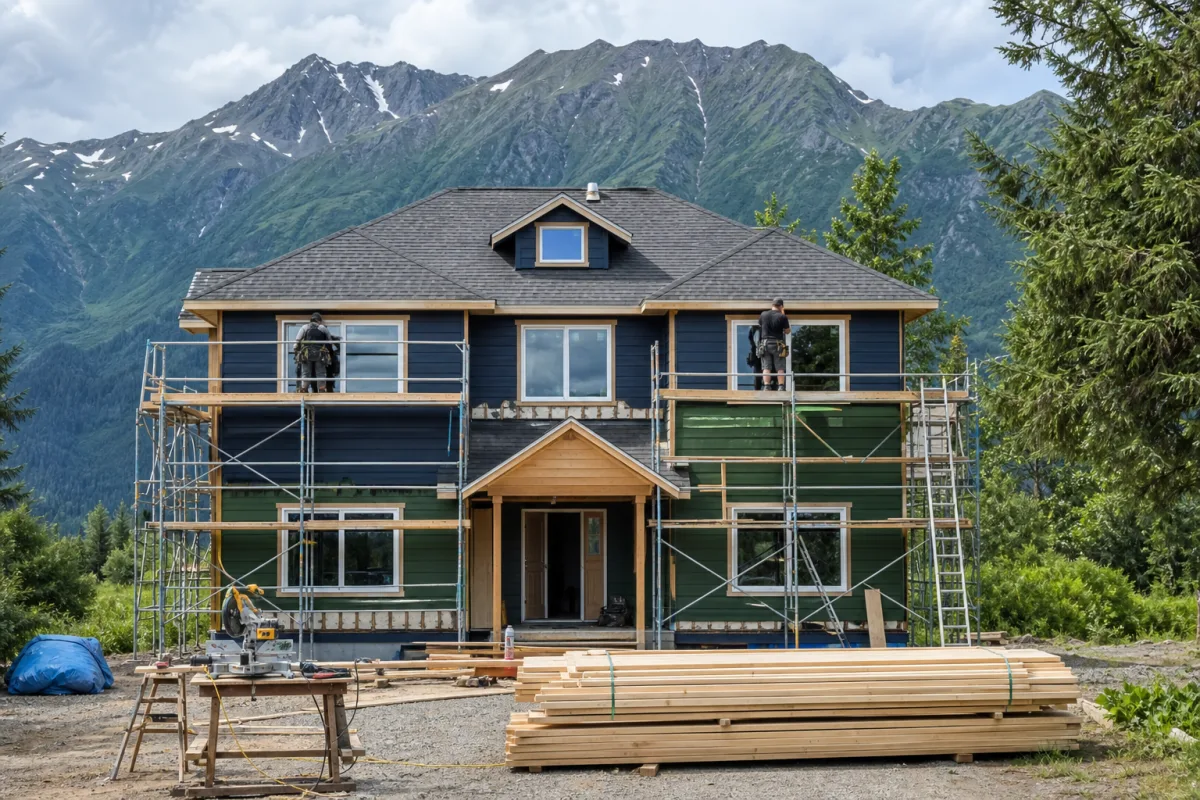
House flipping in Alaska presents unique challenges and opportunities compared to lower-48 markets. The short renovation season, limited contractor availability, high material shipping costs, and financing options like hard money loans, bridge loans, and construction loans all shape the math. This guide provides a realistic 2026 overview for investors considering Alaska flips, including profit expectations and market differences between Anchorage and smaller communities.
Alaska’s Short Renovation Season
Alaska’s construction and renovation window runs roughly May through September in Southcentral and coastal areas, with an even tighter window in the Interior. This compressed timeline means every delay compounds quickly. A project that starts in June may face freeze-up before completion if permits lag or materials arrive late.
Investors must front-load planning. Ordering materials in winter, securing contractors early, and obtaining permits before the season begins are essential. Many successful flippers use the off-season for design, permitting, and pre-purchasing key items that ship slowly.
Existing homes with winter-accessible issues like roof leaks or foundation settling can sometimes be addressed year-round, but exterior work, siding, windows, and landscaping wait for warmer months. This reality extends holding costs and affects cash flow projections.
Contractor Availability and Scheduling
Skilled contractors in Alaska are in high demand, especially during peak season. Good crews book months in advance, and quality varies widely. Investors who develop relationships with reliable general contractors, plumbers, electricians, and HVAC technicians gain a significant advantage.
Turnover among laborers is high, and some trades face chronic shortages. This can lead to higher bids and longer timelines. Flipping teams often keep a stable of preferred subs and pay premium rates to secure priority scheduling.
Background checks, license verification, and clear contracts with milestone payments help protect your investment. Word-of-mouth referrals from other investors and real estate agents are the most reliable way to find trustworthy crews.
Material Shipping Costs and Lead Times
Most building materials arrive in Alaska by barge or truck, adding 20-40% to costs compared to Seattle or Portland. Specialty items like windows, appliances, and fixtures can take 4-8 weeks to arrive, and delays at the port or during winter shipping windows compound the problem.
Smart flippers maintain relationships with suppliers who stock popular items locally or can expedite orders. Buying in bulk during off-season sales and storing materials in heated warehouses can reduce costs and timeline risk.
Recycled or locally sourced materials sometimes offer savings, though quality and availability vary. For high-end finishes that justify top-dollar resale, importing remains necessary despite the premium.
Hard Money Loans for Alaska Flips
Hard money lenders provide short-term, asset-based financing that closes quickly and focuses on the property’s after-repair value rather than borrower credit. In Alaska, hard money rates typically range from 10-15% with 2-4 points upfront and terms of 6-12 months.
These loans suit flips because they fund the purchase and renovation draws. The lender inspects progress before releasing additional funds. Borrowers must have a clear exit strategy, usually a sale or refinance into conventional financing.
Hard money works well for properties that do not qualify for traditional loans due to condition. However, the high cost of capital reduces profit margins, so accurate ARV calculations and tight cost control are critical.
Bridge Loans and Construction Loans
Bridge loans allow investors to purchase a new flip while selling the previous one, using equity from the first property as collateral. Alaska lenders offer these products, though availability and terms vary.
Construction loans finance new builds or major renovations with draws tied to completion stages. These loans convert to permanent financing or require payoff at project end. They suit larger projects but involve more paperwork and inspections than hard money.
Some investors use a combination: hard money for the initial purchase and quick start, then a construction loan for the bulk of the work. Working with a lender experienced in investment properties helps structure the right stack.
See construction financing options in the Alaska Home Closing Costs Guide.
Best Markets for Flipping: Anchorage vs Smaller Markets
Anchorage offers the most inventory, strongest buyer demand, and easiest resale. Neighborhoods like Spenard, Mountain View, and parts of East Anchorage have older housing stock ripe for updates. Price points allow for meaningful renovation budgets while targeting move-up buyers.
Smaller markets like Wasilla, Palmer, and the Kenai Peninsula offer lower acquisition costs but thinner buyer pools. A flip that takes six months to sell in Anchorage might sit for a year in a smaller community. Profit margins can be attractive, but holding costs and illiquidity are real risks.
Fairbanks and Juneau present even more specialized dynamics. Military demand in Fairbanks supports certain updates, while Juneau’s limited inventory and ferry access create unique challenges. Each market requires local knowledge.
For Anchorage market insights, see /locations/anchorage/.
Realistic Profit Margins in Alaska
Successful Alaska flips typically target 15-20% net profit after all costs, though many experienced investors aim higher to buffer against surprises. Acquisition costs, hard money interest, contractor fees, material premiums, holding costs, and selling expenses all erode margins.
A $400,000 purchase that needs $80,000 in renovations and sells for $550,000 may yield only $30,000-$50,000 after hard money costs, commissions, and carrying expenses. The math works only when ARV estimates are conservative and cost overruns are minimal.
Over-improving is a common mistake. Matching finishes to neighborhood comps, not personal taste, protects the return. Data from recent sales in the target subdivision or zip code provides the best guidance.
Permitting Realities and Timeline Risks
Every renovation that involves structural changes, electrical, plumbing, or mechanical systems requires permits in most Alaska jurisdictions. The permitting process can take 2-8 weeks depending on the borough and project complexity.
Some municipalities offer expedited review for an additional fee. Others have backlogs that stretch into months during peak season. Investors who submit complete, code-compliant plans and maintain good relationships with plan reviewers reduce delays.
Unpermitted work creates title issues at resale and can void insurance. Always pull permits, schedule inspections, and keep records. Some older Alaska homes have layers of unpermitted additions that must be addressed before a clean title can transfer.
Due Diligence Before Buying a Flip
Thorough inspections are non-negotiable. In Alaska, add well and septic evaluations, heating system assessments, and foundation checks for permafrost or settling. Title searches should flag any easements, access issues, or old liens.
Environmental concerns like old fuel tanks, asbestos, or lead paint appear frequently in mid-century homes. Budget for testing and remediation when the property age suggests these risks.
Market analysis should include not just ARV but days-on-market for comparable renovated homes. If similar properties sit for 60-90 days, your holding cost assumptions must reflect that reality.
Working with the Right Lender
Flipping requires a lender who understands investment timelines, hard money options, and Alaska-specific challenges. National lenders may lack local knowledge, while community banks and mortgage brokers familiar with the market can offer more flexible terms.
Premier Mortgage (NMLS# 1168048) works with investors on flip financing strategies, including hard money coordination and bridge options. They can help structure deals that align with realistic timelines and exit strategies.
Frequently Asked Questions
What is the average timeline for a successful Alaska flip?
Most realistic flips take 6-9 months from purchase to sale, including 2-4 months of active renovation. Rushing the timeline often leads to quality issues or cost overruns that destroy profit.
Can I use conventional financing to flip houses in Alaska?
Conventional loans are possible for properties that meet lender condition requirements, but many flips need hard money or construction loans because of their distressed state. Conventional financing works better for buy-and-hold or light cosmetic updates.
How do material costs compare to the lower 48?
Expect 20-40% higher costs for most materials due to shipping. Specialty items and appliances can cost significantly more. Local sourcing and off-season purchasing help mitigate the premium.
Are there tax advantages to flipping in Alaska?
Alaska has no state income tax, which improves net returns compared to high-tax states. However, federal capital gains rules apply, and the IRS may classify frequent flippers as dealers subject to ordinary income tax. Consult a tax professional.
What neighborhoods in Anchorage are best for flipping?
Spenard, Mountain View, and parts of East Anchorage offer older stock with renovation upside and strong demand from first-time and move-up buyers. Always analyze recent comps in the specific micro-neighborhood before purchasing.
This article is for educational purposes only. Premier Mortgage (NMLS# 1168048) does not guarantee approval or specific rates. Consult your lender for personalized guidance.
Ready to Make Your Move?
Get pre-approved for your home loan first — it gives you a competitive edge. Need a listing agent? We can help.
Or call 9078411600 · or email contact@akhomehq.com
Disclaimer: This article is for informational purposes only and does not constitute financial, mortgage, legal, or tax advice. Interest rates, loan programs, eligibility requirements, and fees are subject to change without notice and may vary based on your individual circumstances. Alaska Home HQ is not a lender, broker, or financial institution. All loan applications are processed by Premier Mortgage (NMLS: 1168048). We may have a business relationship with Premier Mortgage and may receive compensation when you use their services through our links. Consult a licensed mortgage professional before making financial decisions. Terms of Service · Privacy Policy