Buying Waterfront Property in Alaska
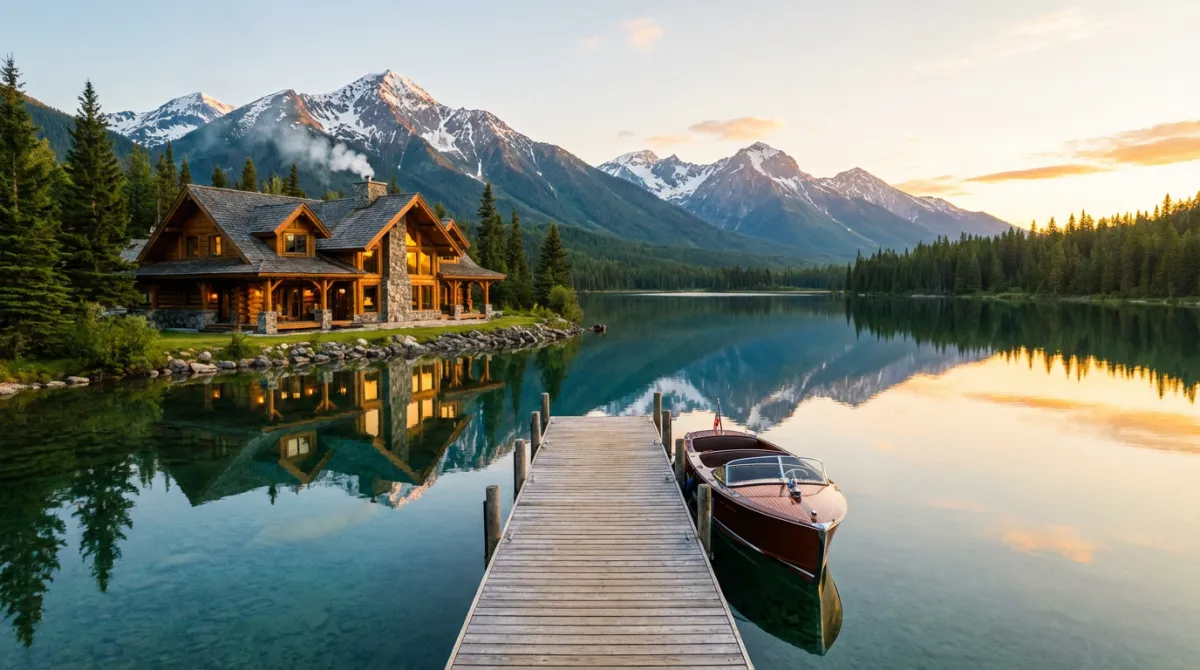
Waterfront property in Alaska is the dream — waking up to Kachemak Bay, fishing from your backyard on the Kenai River, or watching moose wade through the lake at the edge of your property. Alaska has more coastline than the rest of the U.S. combined, plus thousands of rivers and lakes. The waterfront opportunities here dwarf anything in the Lower 48.
But waterfront property in Alaska also comes with a unique set of challenges that can turn a dream purchase into an expensive headache if you don’t know what you’re getting into. Erosion, flood zones, access limitations, septic complications, insurance costs, and environmental regulations all play a larger role here than in a typical real estate transaction.
This guide covers what every buyer needs to understand before putting an offer on waterfront, lakefront, or riverfront property in Alaska.
Types of Waterfront Property
Alaska waterfront isn’t one-size-fits-all. The type of water your property sits on affects everything from insurance to daily life.
Oceanfront / Coastal
Properties along Alaska’s coastline — from the Kenai Peninsula’s bays and inlets to Southeast Alaska’s islands and fjords. Coastal properties face tidal action, storm surge, saltwater corrosion, and potential tsunami risk (in seismically active zones). Magnificent views, but the ocean is an active neighbor.
Lakefront
Alaska has over three million lakes. Lakefront properties are popular in the Mat-Su Valley (Big Lake, Wasilla Lake, Finger Lake), the Kenai Peninsula, and around Fairbanks-area lakes. Lakes generally present fewer erosion and flooding challenges than rivers or coastline, but water levels can fluctuate seasonally.
Riverfront
Properties along rivers like the Kenai, Susitna, Chena, and Copper. Rivers are dynamic — they flood, change course, and erode banks over time. Riverfront property can be spectacular but comes with the most active natural risk of any waterfront type.
Water-Access-Only
Some Alaska properties can only be reached by boat or floatplane. No roads at all. These exist throughout Southeast Alaska, parts of the Kenai Peninsula, Kodiak Island, and Prince William Sound. They’re the most remote and most affordable waterfront you’ll find — but the access limitation affects everything from construction costs to loan eligibility.
Flood Zones: The First Thing to Check
Before you fall in love with a waterfront property, find out whether it sits in a FEMA-designated flood zone. This single factor can dramatically affect your insurance costs, loan eligibility, and long-term risk.
What Flood Zones Mean
- Zone A / AE: High-risk flood area. Flood insurance is required if you have a federally backed mortgage (FHA, VA, USDA, conventional with Fannie Mae/Freddie Mac). Premiums can be substantial.
- Zone X (shaded): Moderate risk. Flood insurance isn’t required but may be recommended.
- Zone X (unshaded): Minimal risk. Flood insurance is optional.
Alaska-Specific Flood Risks
Alaska floods differently than the Lower 48:
- Breakup flooding: In spring, river ice breaks up and can create ice dams that back water onto adjacent properties. The Chena River near Fairbanks and the Matanuska River in the Mat-Su Valley are particularly prone to this.
- Glacial lake outburst floods (jökulhlaups): Rare but real. Glacial melt can release sudden, large volumes of water. The Kenai River has experienced these.
- Tidal flooding: Coastal properties face extreme tidal ranges — Cook Inlet has one of the largest tidal ranges in the world (up to 40 feet). Properties that seem safely above water at low tide may be at risk during extreme high tides combined with storm surge.
- Permafrost melt: In interior Alaska, thawing permafrost can alter drainage patterns and create new flooding risks on properties that were historically dry.
Check flood zone designations using FEMA’s flood map tool or ask your real estate agent to pull the data. A knowledgeable local agent will already know which waterfront areas carry flood zone designations.
Erosion: The Slow Threat
Erosion is the long game risk with waterfront property. A beautiful riverbank lot today could be three feet narrower in five years.
Coastal Erosion
Alaska’s coastline is experiencing some of the fastest erosion rates in the country. Climate-related factors — warming seas, reduced sea ice, thawing permafrost along bluffs — are accelerating the process in many areas. The western and northern coastlines are most affected, but Kenai Peninsula coastal properties aren’t immune.
River Erosion
Rivers naturally migrate over time. A property with 100 feet of riverbank setback today may have significantly less in a decade. The Kenai River, Susitna River, and Chena River all have active erosion zones.
What to do:
- Review historical aerial imagery (available through Google Earth or the Alaska Division of Geological & Geophysical Surveys) to see how the waterline has changed over time
- Ask the seller about any erosion mitigation they’ve done (riprap, retaining walls, vegetation)
- Check if the property is in a mapped erosion hazard area
- Factor erosion risk into your long-term ownership plans
Permits and Environmental Regulations
Waterfront development in Alaska is heavily regulated — often more so than buyers expect.
Army Corps of Engineers
Any construction, fill, or alteration within or adjacent to waters of the United States may require a permit from the U.S. Army Corps of Engineers under Section 404 of the Clean Water Act. This includes building docks, boat ramps, retaining walls, or anything that involves placing material in wetlands or waterways.
Alaska Department of Fish and Game
If your property borders anadromous waters (streams where salmon and other fish migrate to spawn), you’ll need a Fish Habitat Permit for any activity that could affect the waterway. This includes bank stabilization, dock construction, and even some vegetation removal near the water.
Alaska Department of Environmental Conservation
Septic systems near waterways face stricter requirements. Setback distances from water bodies are regulated to protect water quality. If the property is on a septic system (as many rural waterfront properties are), verify that the system meets current regulatory requirements and has adequate setback from the water.
Borough-Level Regulations
Some boroughs have additional setback requirements, shoreline management plans, or riparian buffer zones. The Kenai Peninsula Borough and Municipality of Anchorage both have specific regulations governing development near water. Check with the local planning department before assuming you can build or modify structures near the waterline.
Access: Can You Get There Year-Round?
Access is one of the most overlooked factors in Alaska waterfront purchases.
Road-Accessible Waterfront
Properties on established roads in communities like Kenai, Homer, Soldotna, or Anchorage-area lakes have straightforward access. The road is maintained, utilities are typically available, and emergency services can reach you. These properties command premium prices precisely because access is reliable.
Seasonal Road Access
Some waterfront properties — particularly on remote lakes or along less-traveled roads — have seasonal access limitations. Roads may not be plowed in winter, or they may become impassable during spring breakup when frost heaves and mud take over. Before buying, understand exactly how you’ll access the property in every season.
Water-Access-Only Properties
These are the wild card. Properties reachable only by boat or floatplane can be astonishingly beautiful and remarkably affordable compared to road-accessible waterfront. But they come with real trade-offs:
- Construction costs are dramatically higher. Every building material must be barged or flown in.
- Emergency response time is extended. No ambulance is driving to your water-access-only cabin.
- Loan eligibility may be limited. Some lenders won’t finance water-access-only properties. VA and FHA loans generally require reasonable road access. Conventional lenders may require larger down payments or charge higher rates for remote properties.
- Resale market is smaller. Fewer buyers means potentially longer time on market when you sell.
- Daily logistics. Groceries, mail, commuting — everything requires a boat or plane trip.
Water-access-only properties are best suited to buyers who understand what they’re committing to and have the resources and self-reliance to handle remote living.
Well Water and Septic
Most waterfront properties outside of Anchorage and a few other municipalities are on private wells and septic systems.
Well Water Near Waterfront
Well water quality near lakes, rivers, and coastline can be influenced by surface water infiltration. Testing is essential — not just for standard contaminants, but also for bacteria, nitrates, and any chemicals associated with nearby land use. If the property is downstream of agricultural, mining, or industrial activity, additional testing may be warranted.
Septic Near Water
Septic systems on waterfront properties face stricter regulatory requirements due to the risk of wastewater contaminating the adjacent water body. Requirements typically include:
- Greater setback distances from the waterline
- More frequent inspection schedules in some boroughs
- Engineered systems rather than standard gravity systems in some cases
- Specific soil and perc test requirements for properties with high water tables
A failing or non-compliant septic system on a waterfront property isn’t just an expense — it’s an environmental liability. Always have the septic system inspected before purchasing, and verify it meets current regulations.
Insurance: Expect to Pay More
Waterfront properties cost more to insure, period. The combination of water damage risk, flood zone exposure, and Alaska’s extreme weather pushes premiums above standard rates.
What to budget for:
| Coverage | Approximate Annual Cost |
|---|---|
| Standard homeowner’s (HO-3) | $1,500–$3,000 |
| Flood insurance (if in flood zone) | $800–$4,000+ |
| Earthquake insurance | $800–$2,000+ |
Important considerations:
- Flood insurance is required by lenders if the property is in a high-risk flood zone. Even outside high-risk zones, it may be wise to carry it voluntarily.
- Standard homeowner’s policies typically exclude flood and earthquake damage. You need separate policies for each.
- Water-access-only properties may be harder to insure and may face higher premiums due to limited fire response capability.
- Get insurance quotes before finalizing your purchase. In some cases, insurance costs can be high enough to change the financial equation on a property.
Fishing Rights and Riparian Rights
Alaska law regarding water access and fishing rights is nuanced.
- Public access: Alaska’s constitution guarantees public access to navigable and public waters. A waterfront property doesn’t necessarily give you exclusive access to the water in front of it. Others may have the legal right to fish, boat, or walk along the waterline.
- Riparian rights: Property owners adjacent to water generally have the right to reasonable use of the water (for domestic purposes, irrigation, etc.) but not exclusive ownership of the water itself.
- Fishing rights: You cannot own fishing rights to a public waterway. However, your property may provide convenient private access to prime fishing spots — which is a significant lifestyle and resale value factor on rivers like the Kenai.
- Tideland ownership: On coastal properties, tidelands (the area between mean high tide and mean low tide) are typically owned by the state, not the property owner. This affects what you can build and where.
Consult with a real estate attorney familiar with Alaska water rights before purchasing if any of these issues are relevant to your property.
Popular Waterfront Areas
Kenai Peninsula
The most popular waterfront market in Alaska. Kenai and Soldotna offer riverfront properties along the world-famous Kenai River. Homer provides stunning oceanfront on Kachemak Bay. Seward offers fjord and coastal access. Many Kenai Peninsula properties may qualify for USDA zero-down loans, even waterfront parcels in eligible areas.
Price range: $300,000–$800,000+ depending on waterfront type and access.
Homer and Kachemak Bay
Homer’s waterfront market is among the most desirable in Alaska. Properties along the Homer Spit, East End Road, and across Kachemak Bay in communities like Halibut Cove and Seldovia attract buyers seeking the quintessential Alaska waterfront lifestyle. Some Kachemak Bay properties are water-access-only, which affects pricing and logistics.
Kodiak
Kodiak offers coastal waterfront on one of Alaska’s most scenic islands. The fishing economy is strong, and the Coast Guard base provides economic stability. Properties range from in-town oceanfront to remote coastal parcels accessible by boat. Kodiak’s isolation (air or ferry access only) keeps prices more moderate than comparable coastline in the Kenai Peninsula.
Price range: $250,000–$600,000 for residential waterfront.
Mat-Su Valley Lakes
Big Lake, Wasilla Lake, Finger Lake, and numerous smaller lakes in the Mat-Su Valley offer lakefront living within an hour of Anchorage. These properties provide a more suburban waterfront experience — you can still commute to work in Anchorage while enjoying lake life on weekends. Prices are generally more accessible than coastal waterfront.
Fairbanks Area
The Chena River runs through Fairbanks, and several area lakes offer waterfront options. Prices are among the most affordable in the state for waterfront, but be aware of Chena River flood history and ice jam risks during spring breakup.
Financing Waterfront Property
Not all waterfront properties qualify for all loan types. Here’s what to expect:
- Conventional loans: Generally available for road-accessible waterfront with standard utilities. Some lenders may add requirements for flood zone properties.
- FHA loans: Require the property to be safe, sound, and structurally secure. Significant flood risk, erosion, or access issues may cause problems during the FHA appraisal process.
- VA loans: Similar property requirements to FHA. Water-access-only properties typically don’t qualify.
- USDA loans: Available in eligible rural areas. Many Kenai Peninsula and Mat-Su Valley waterfront properties fall in USDA-eligible zones.
- AHFC programs: Alaska Housing Finance Corporation loans can be used for waterfront properties that meet standard property requirements.
For remote or water-access-only properties, you may need to explore portfolio lenders or credit unions that keep loans in-house rather than selling to the secondary market.
Interested in Alaska waterfront? Start by getting pre-approved so you know your budget and which properties are within reach.
Looking for an agent who specializes in waterfront properties? Email contact@akhomehq.com or visit our contact page and we’ll connect you with experienced local professionals.
Frequently Asked Questions
Can I get a mortgage for waterfront property in Alaska?
Yes, but waterfront properties can be more challenging to finance. Lenders may require larger down payments, and appraisals can be more complex due to limited comparable sales. FHA, VA, and conventional loans all work for waterfront homes that meet standard property requirements. Flood zone designation and access road conditions are common sticking points.
How much do waterfront homes cost in Alaska?
Waterfront property prices vary dramatically based on location, access, and lot size. Lakefront homes near Anchorage or on the Kenai Peninsula range from $350,000 to over $1 million. Remote waterfront lots accessible only by boat or plane can be surprisingly affordable, but factor in the cost of building and maintaining infrastructure without road access.
What should I look for when inspecting an Alaska waterfront property?
Beyond standard home inspection items, evaluate shoreline stability and erosion risk, water rights and usage permits, septic system proximity to the waterline, flood zone classification, and access during all seasons. Properties on rivers may face seasonal flooding, while coastal properties need seawall or bulkhead assessment. Always hire an inspector experienced with Alaska waterfront conditions.
Do I need flood insurance for waterfront property in Alaska?
If your property is in a FEMA-designated flood zone and you have a federally backed mortgage, flood insurance is required. Even if not required, it is strongly recommended for any waterfront property in Alaska. Standard homeowner’s insurance does not cover flood damage, and spring snowmelt and storm surge can create flooding conditions along Alaska waterways.
Can I build on waterfront land in Alaska?
Building on waterfront land is possible but requires navigating additional regulations. You will need to comply with setback requirements from the water’s edge, obtain necessary permits from the Alaska Department of Natural Resources, and potentially address Army Corps of Engineers wetland regulations. Septic system placement near waterways requires careful engineering and permitting.
Ready to Make Your Move?
Get pre-approved for your home loan first — it gives you a competitive edge. Need a listing agent? We can help.
Or call 9078411600 · or email contact@akhomehq.com
Disclaimer: This article is for informational purposes only and does not constitute financial, mortgage, legal, or tax advice. Interest rates, loan programs, eligibility requirements, and fees are subject to change without notice and may vary based on your individual circumstances. Alaska Home HQ is not a lender, broker, or financial institution. All loan applications are processed by Premier Mortgage (NMLS: 1168048). We may have a business relationship with Premier Mortgage and may receive compensation when you use their services through our links. Consult a licensed mortgage professional before making financial decisions. Terms of Service · Privacy Policy