Fairbanks Housing Market 2026: Interior Alaska Buyer Guide
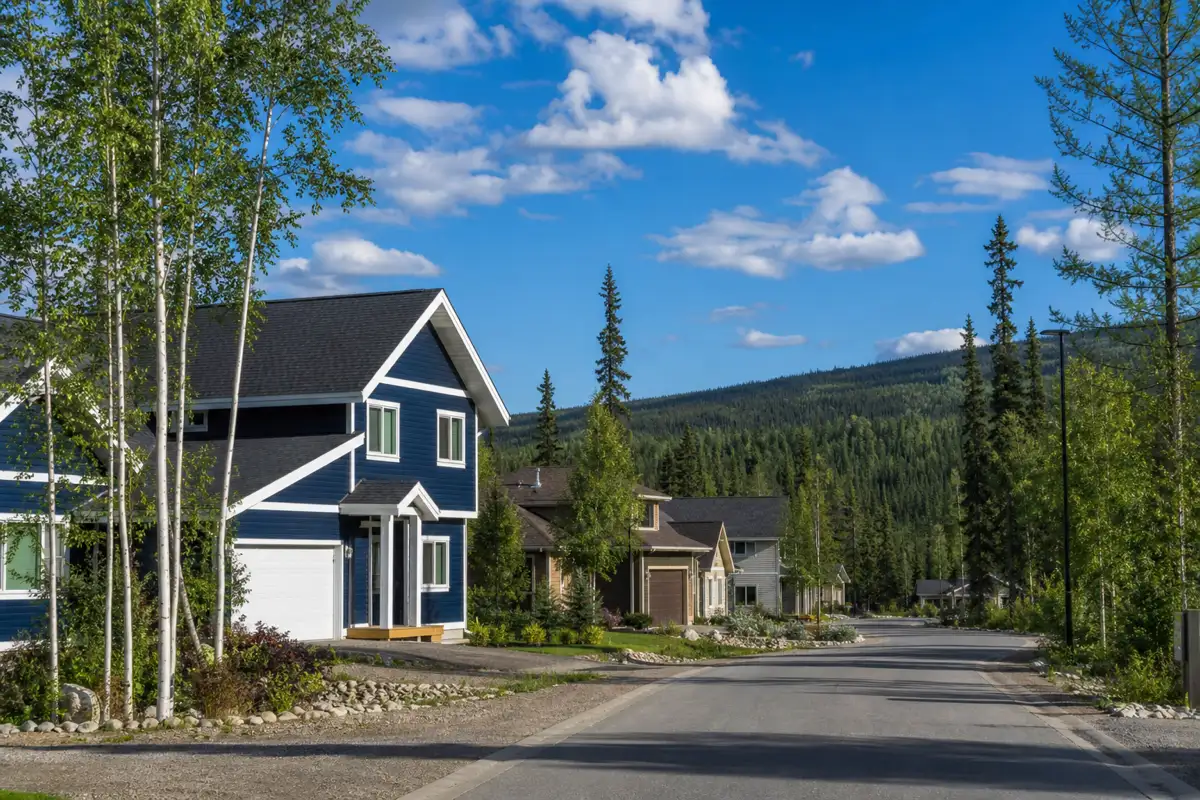
Fairbanks and the broader Interior Alaska market operates on its own distinct dynamics — different from Anchorage, different from the Kenai Peninsula, shaped by military employment at Eielson AFB and Fort Wainwright, the University of Alaska Fairbanks, and the gold mining and resource extraction industries that remain Interior Alaska’s economic anchors.
Here’s what buyers need to know about Fairbanks real estate heading into the second half of 2026.
Fairbanks Market at a Glance: Mid-2026
Median home prices: Single-family homes in Fairbanks proper run broadly $280,000-$380,000 — meaningfully lower than Anchorage and the Mat-Su Valley. This relative affordability is one of Fairbanks’s defining characteristics. Newer construction and larger homes push above $400,000, but the market’s center of gravity is below Southcentral prices.
North Pole and Salcha: The North Pole area (south of Fairbanks along the Richardson Highway) and Salcha tend to run $250,000-$340,000 — slightly more affordable than Fairbanks proper with larger lots and a quieter feel.
College neighborhood and UAF area: The area around the University of Alaska Fairbanks has consistent rental and purchase demand driven by students, faculty, and research employees. Entry-level homes here start around $220,000 for older inventory.
Days on market: Fairbanks is a more balanced market than Anchorage. Well-priced homes in good condition sell in 30-50 days. Properties with condition issues or aggressive pricing can sit 60-90+ days.
Inventory: Fairbanks has maintained better inventory balance than Southcentral markets. The slower population growth rate keeps supply and demand from getting as imbalanced as Anchorage.
Community Breakdown
Fairbanks Proper
The Fairbanks city core — Downtown, the area north of the Chena River, the Steese Highway corridor — offers the most convenient access to retail, restaurants, and services. Older housing stock here can need significant updating, which creates both value opportunities for buyers willing to renovate and hazards for buyers who don’t inspect carefully.
College / Farmer’s Loop
The College area between Fairbanks and the UAF campus is one of the most consistently active residential neighborhoods. Proximity to UAF creates stable demand. New subdivisions north of Farmer’s Loop have expanded options for newer construction buyers.
North Pole
North Pole is famous for its Christmas-themed street names and a community character distinct from Fairbanks. It’s a popular choice for military families at Eielson AFB (approximately 15 miles south on the Richardson Highway). Home prices are marginally lower than Fairbanks proper and the lots tend to be larger.
Two Rivers and Chena Hot Springs Road
East of Fairbanks along the Chena Hot Springs Road, these rural communities appeal to buyers wanting larger parcels and off-grid or semi-remote living. Properties here trade convenience for space and rural Alaska character.
Military Market: Eielson AFB and Fort Wainwright
Two military installations define a significant segment of Fairbanks real estate:
Fort Wainwright: Located adjacent to Fairbanks proper (east side of the city). Soldiers, officers, and civilians at Fort Wainwright make up a substantial portion of the Fairbanks buyer pool. The base’s on-post housing has limited availability, pushing military families into the local market.
Eielson Air Force Base: Located approximately 25 miles southeast of Fairbanks on the Richardson Highway. Eielson’s assignment has grown following the F-35A beddown. Airmen and their families typically buy in North Pole (closest off-base community), Fairbanks, or along the Richardson Highway corridor.
VA loan dominance: VA loans are the dominant mortgage product for Fairbanks military buyers. No down payment, no PMI, and competitive rates make VA the go-to for military families. Alaska’s VA market — including Fairbanks — is well-served by VA-experienced lenders and real estate agents.
The military rotation cycle (typically 2-4 year tours) also creates a steady stream of PCS (Permanent Change of Station) sellers, maintaining inventory turnover in the Fairbanks market.
Climate and Property Considerations
Fairbanks’s extreme climate — with winter temperatures regularly reaching -40°F to -50°F — creates property requirements unlike anywhere else in the U.S. housing market.
Permafrost: Interior Alaska sits on discontinuous to continuous permafrost. Properties built on permafrost that has been disturbed or is thawing can experience significant foundation settlement. This is a real and potentially costly issue. Buyers should understand the permafrost status of any property before purchasing.
Heating systems: Fairbanks homes almost universally have oil heating (often forced-air oil furnaces), propane systems, or wood-burning systems. Oil prices in Interior Alaska can be volatile and high. A well-maintained, efficient heating system is critical — evaluate it carefully in every purchase.
Insulation and weatherization: Heating costs in Fairbanks can run $3,000-$8,000/year or more depending on the home’s insulation condition and size. Factor ongoing utility costs into your affordability calculation.
Vapor barriers and moisture: Fairbanks homes need robust vapor barriers to prevent moisture damage from the extreme temperature differentials. Older homes with vapor barrier issues can have hidden mold or structural damage.
Water systems: Some Fairbanks-area homes on well water have lines that require significant heat tracing to prevent freezing. Understand the water system thoroughly before closing.
Mortgage Considerations for Fairbanks Buyers
VA loans: As noted, VA is the go-to for military families. See our VA loans Alaska military guide for comprehensive VA loan information.
FHA in Fairbanks: FHA’s $557,750 limit covers nearly all Fairbanks transactions. FHA is a strong option for non-military first-time buyers with limited down payments.
USDA near Fairbanks: Some areas outside Fairbanks city limits — Salcha, Two Rivers, parts of the North Star Borough away from the urban core — may qualify for USDA Rural Development loans. Verify specific addresses.
Property condition requirements: Both FHA and VA have minimum property requirements that matter more in Fairbanks than in other Alaska markets. Older homes with deferred maintenance, questionable heating systems, or foundation issues may not meet FHA/VA MPRs without repairs. Factor this into negotiation.
Ready to explore your Fairbanks home loan options? Get a free quote from Premier Mortgage (NMLS# 1168048).
For VA loan details relevant to Fairbanks military buyers, see our VA loans Alaska guide. For more Alaska market context, see the Anchorage location page.
Frequently Asked Questions
Are Fairbanks home prices rising or falling in 2026?
Fairbanks has seen modest appreciation in 2026 — trailing Anchorage and the Mat-Su Valley in growth rate but remaining stable. Military population stability from Eielson’s F-35A beddown is a positive tailwind. Sharp declines are unlikely given the structural military demand, but Fairbanks doesn’t have the same growth drivers as Southcentral Alaska.
Is it safe to buy a home in Fairbanks with permafrost?
Many Fairbanks homes are built perfectly well on properly managed permafrost or permafrost-free ground. The key is due diligence — hiring a home inspector with Interior Alaska experience who understands permafrost-related foundation issues. Properties built on thermokarst-prone areas or showing signs of differential settlement need engineering review.
What is the best area to live in Fairbanks for military families?
North Pole is the most popular choice for Eielson AFB families — closest off-base community, good access to the base, and slightly lower prices than Fairbanks proper. Fort Wainwright families tend to buy in east Fairbanks and the College neighborhood for easy base access. Both communities have active VA loan markets.
How high are utility costs in Fairbanks?
Heating oil prices vary — usually higher than the national average. A well-insulated 1,500 sq ft Fairbanks home might cost $3,500-$5,000/year in heating fuel. Poorly insulated or larger homes can run $7,000-$10,000+. Always ask the seller for utility bills from the prior year.
Can I get a VA loan on a Fairbanks home that needs work?
VA loans have Minimum Property Requirements that homes must meet. Fairbanks older homes sometimes need work to pass VA MPRs — typically related to heating systems, roof condition, plumbing, and foundation. Talk to your VA-experienced lender and real estate agent about what’s likely to be flagged. Sellers are sometimes willing to negotiate repairs or price reductions to clear VA MPR issues.
Ready to Make Your Move?
Get pre-approved for your home loan first — it gives you a competitive edge. Need a listing agent? We can help.
Or call 9078411600 · or email contact@akhomehq.com
Disclaimer: This article is for informational purposes only and does not constitute financial, mortgage, legal, or tax advice. Interest rates, loan programs, eligibility requirements, and fees are subject to change without notice and may vary based on your individual circumstances. Alaska Home HQ is not a lender, broker, or financial institution. All loan applications are processed by Premier Mortgage (NMLS: 1168048). We may have a business relationship with Premier Mortgage and may receive compensation when you use their services through our links. Consult a licensed mortgage professional before making financial decisions. Terms of Service · Privacy Policy