Selling Your Home in Alaska: Tips to Maximize Value
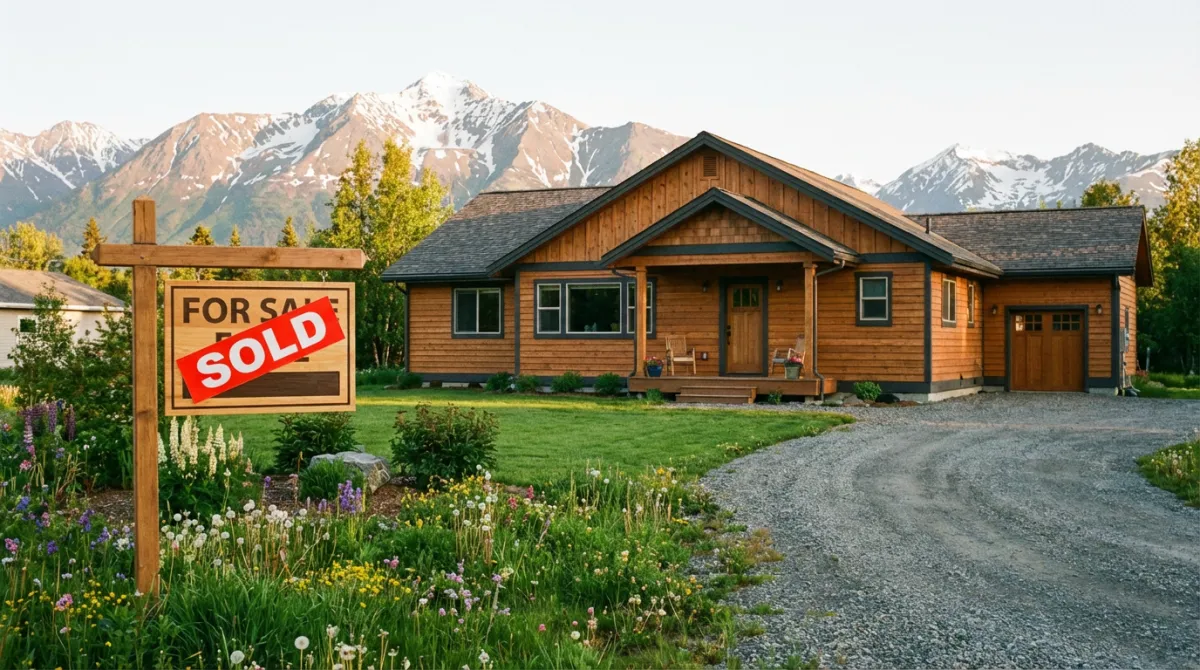
Selling a home in Alaska comes with a set of considerations that sellers in the Lower 48 never think about. When should you list — April or August? How do you create curb appeal when there’s three feet of snow in the front yard? What do buyers expect to see in a well and septic inspection? How do you market to military families transferring to JBER?
This guide covers the Alaska-specific strategies that can help you sell faster and for more money. Whether you’re in Anchorage, the Mat-Su Valley, Fairbanks, or the Kenai Peninsula, these tips apply.
When to List: Alaska’s Selling Season
Timing matters more in Alaska than in almost any other state. The housing market here follows a seasonal rhythm driven by weather, daylight, military transfer cycles, and buyer behavior.
The Prime Window: April Through July
The best time to list a home in Alaska is typically late April through mid-July. Here’s why:
- Snow is melting. Buyers can see the yard, landscaping, driveway, and exterior condition — all critical in an Alaska purchase decision.
- Daylight is abundant. Alaska’s long summer days give buyers more time for evening showings and open houses.
- PCS season aligns. Military families arriving at JBER, Fort Wainwright, and Eielson AFB on Permanent Change of Station orders are actively house-hunting from May through August.
- Families want to settle before school. Buyers with children target summer closings so they can move in before the school year starts.
- Lender and appraiser availability. The mortgage industry is most active during these months, and turnaround times are generally faster.
Listing in Fall or Winter
It’s not impossible to sell in Alaska’s off-season, but the dynamics shift. Fewer buyers are actively shopping. Snow covers the property’s exterior, making it harder for buyers to evaluate landscaping, drainage, foundation, and roof condition. Shorter days limit showing times.
That said, winter listings can work when:
- Inventory is low, giving your home less competition
- You attract motivated buyers who need to purchase on a timeline
- Your home shows well from the inside — warmth, lighting, and cozy staging can be powerful in a dark Alaska winter
If you must sell in winter, price competitively and invest in professional photography that captures the home in the best possible light.
Curb Appeal in Alaska
Curb appeal in Alaska doesn’t follow the same playbook as the rest of the country. You’re not planting petunias and pressure-washing the driveway in February.
Summer Curb Appeal
If you’re listing during the warm months, standard curb appeal applies — with an Alaska twist:
- Mow the lawn and trim edges. Alaska grass grows fast in summer. Keep it neat.
- Clean up winter debris. Gravel from winter traction, dead branches, and anything that accumulated under the snow needs to go.
- Power wash the exterior, driveway, and deck. A long Alaska winter leaves grime on everything.
- Deck and patio staging. Highlight outdoor living. Alaska buyers love a good deck — set up chairs, a grill, and some planters to show the space’s potential.
- Fireweed and wildflowers. A few native plantings show that the landscaping works with Alaska’s climate, not against it.
Winter Curb Appeal
When your home is under snow, curb appeal shifts to practical presentation:
- Keep the driveway and walkways cleared. Nothing turns off a buyer faster than struggling through an unshoveled driveway. It signals deferred maintenance.
- Outdoor lighting. With limited daylight, exterior lights on the porch, pathway, and garage make the home feel welcoming and safe.
- Snow removal from the roof. If heavy snow is visible on the roof, buyers will wonder about snow load and structural integrity. Clear it if you can do so safely.
- Warm entry. Make sure the arctic entry or mudroom is clean and heated. It’s the buyer’s first impression of the interior.
Staging Your Home for Alaska Buyers
Staging in Alaska emphasizes comfort, warmth, and functionality. Alaska buyers are practical people — they want to see that a home handles winter well.
Staging priorities:
- Heating system visibility. If you have a newer, efficient furnace or boiler, make sure buyers know about it. Post the make, model, year, and efficiency rating in a visible location. Heating is the single biggest recurring cost concern for Alaska buyers.
- Utility cost documentation. Leave a folder on the kitchen counter with 12–24 months of utility bills. Buyers in Alaska care deeply about heating costs, and transparency builds trust.
- Warm lighting. Replace harsh overhead lights with warm-toned bulbs. During Alaska’s dark months, lighting sets the emotional tone of a home tour.
- Functional mudroom/arctic entry. Stage it neatly — boots organized, hooks available, mat by the door. Alaska buyers evaluate mudrooms the way Lower 48 buyers evaluate master bathrooms.
- Insulation and weatherization documentation. If you’ve upgraded insulation, windows, or weatherstripping, document it. Energy efficiency upgrades translate directly to buyer savings and can justify a higher asking price.
Pricing Strategy
Setting the right price is the single most impactful decision you’ll make as a seller. Alaska’s market conditions in 2026 reward realistic pricing — homes that are priced right sell faster and often attract stronger offers than homes that start high and sit.
How to Price Correctly
- Comparable sales (comps): Your agent should pull recent sales of similar homes in your specific neighborhood. In Alaska, comps need to account for heating system type, lot size, well/septic vs. municipal utilities, and road access.
- Current competition: Look at active listings in your area. If there are five similar homes listed in your price range, your home needs to stand out on condition, price, or both.
- Seasonal adjustment: Homes listed in peak summer months may command a slight premium due to higher demand. Off-season listings often need to be priced more aggressively to attract the smaller pool of active buyers.
- Days on market awareness: In most Alaska markets, homes priced correctly sell within 30–60 days during summer. If your home has been listed for 90+ days, it’s likely a pricing issue.
The Overpricing Trap
Overpricing is the most common seller mistake in any market, and it’s especially costly in Alaska where the buyer pool is smaller. An overpriced home that sits through the summer selling season faces a much tougher sell in winter, when both demand and inventory drop. Price reductions after 60+ days on market signal to buyers that something is wrong — even if the only problem was the original price.
Dealing with Well, Septic, and Heating Inspections
If your home is on well water and a septic system — common outside of Anchorage proper — buyers will almost always include inspection contingencies in their offer. Getting ahead of these inspections can smooth the transaction and prevent surprises.
Pre-Listing Inspections to Consider
- Septic system inspection: Have the tank pumped and the system inspected before listing. A clean inspection report removes a major uncertainty for buyers. If issues are found, you can address them on your own timeline rather than under the pressure of a pending sale.
- Well water testing: Test for bacteria, nitrates, arsenic, and other common Alaska water quality concerns. Clean results are a selling point. If issues are found, water treatment solutions can often be installed before listing.
- Heating system service: Have your furnace or boiler serviced and inspected. Document the service history. A well-maintained heating system is a top priority for Alaska buyers.
These proactive inspections typically cost a few hundred dollars total and can prevent thousands in last-minute repair demands or deal collapses.
Disclosure Requirements
Alaska law requires sellers to disclose known material defects. This includes:
- Known foundation or structural issues (including permafrost-related damage)
- Water damage, mold, or moisture problems
- Heating system defects
- Well and septic system condition
- Environmental hazards (lead paint in pre-1978 homes, underground storage tanks)
- Boundary disputes or easement issues
- Past flooding, drainage problems, or standing water
Honesty in disclosure protects you legally and builds buyer trust. Attempting to conceal known issues can lead to post-sale legal action and far greater costs than fixing the problem upfront.
Marketing to Military Buyers
If your home is near JBER (Eagle River, Government Hill, Mountain View, Muldoon) or the Fairbanks military installations, military buyers may represent a significant share of your potential market.
What military buyers look for:
- VA loan compatibility: VA loans come with specific appraisal requirements, including minimum property condition standards. Ensure your home meets these before listing — peeling paint, missing handrails, and non-functional systems can cause VA appraisal issues.
- Proximity to base. Commute time matters, especially for service members with early report times. Highlight drive time to the nearest gate.
- Move-in ready condition. Military families on PCS orders often have tight timelines. Homes that are move-in ready sell faster to this demographic than fixer-uppers.
- BAH-aligned pricing. Military buyers’ purchasing power is largely driven by their Basic Allowance for Housing. In Anchorage, current BAH rates support purchases in the $350K–$500K range depending on rank. Price your home within BAH reach and you’ll tap into a larger buyer pool.
Understanding how VA loans work in Alaska can help you prepare your home and negotiate effectively with military buyers.
Closing Costs for Alaska Sellers
Sellers in Alaska should budget for the following closing costs:
- Real estate agent commissions: Typically 5–6% of the sale price (split between buyer’s and seller’s agents), though commission structures are increasingly negotiable.
- Title insurance: The seller typically pays for the owner’s title insurance policy in Alaska.
- Transfer taxes: Alaska does not charge a state-level real estate transfer tax, which is a savings compared to many other states.
- Prorated property taxes: You’ll owe taxes through the date of closing.
- Repair concessions: Depending on inspection results, you may negotiate repair credits or price adjustments with the buyer.
On a $450,000 sale, total seller closing costs typically range from $25,000 to $35,000, with agent commissions being the largest component.
If You’re Also Buying Your Next Home
Many Alaska sellers are simultaneously buying their next home. If that’s you, timing the sale of your current home with the purchase of your new one requires coordination.
Options to manage the transition:
- Sale contingency: Make your purchase offer contingent on selling your current home. This protects you but may make your offer less competitive.
- Bridge financing: Some lenders offer short-term bridge loans that let you buy before you sell. Ask your lender about availability and terms.
- Rent-back agreement: Negotiate a rent-back period with your buyer, allowing you to stay in the home for a set period after closing while you complete your purchase.
If you’re buying your next home, getting pre-approved early is essential. It clarifies your purchasing power and helps you move quickly when you find the right property. Our first-time homebuyer guide covers the full buying process, and it’s useful even if you’ve bought before.
Thinking about selling your Alaska home? We’d love to help you plan your next move. Email us at contact@akhomehq.com or visit our contact page to start the conversation.
If you’re also buying, get pre-approved so you know your budget for the next chapter.
Get Pre-Approved with Premier Mortgage →
Frequently Asked Questions
What is the best month to sell a house in Alaska?
Spring — specifically April through June — is the strongest selling season in Alaska. Buyers are active, daylight hours are long enough for showings, and families want to close before the school year starts. Listing in late March or early April positions your home to hit the market when demand peaks.
How long does it take to sell a home in Alaska?
Average days on market vary by location and price point. In Anchorage, well-priced homes in desirable neighborhoods can sell within 2–4 weeks during spring and summer. Properties in rural areas or at higher price points may take several months. Pricing correctly from day one is the single biggest factor in selling speed.
Do I need to disclose prior damage when selling an Alaska home?
Yes. Alaska law requires sellers to complete a residential property disclosure statement covering known material defects, including prior water damage, foundation issues, mold, and environmental hazards. Failing to disclose can expose you to legal liability after closing.
Should I make repairs before listing my Alaska home?
Focus on repairs that buyers and inspectors will flag — roof leaks, outdated electrical panels, plumbing issues, and foundation cracks. Cosmetic updates like fresh paint and clean landscaping improve first impressions without major expense. Avoid over-investing in renovations that won’t return their cost in your local market.
How much are real estate commissions in Alaska?
Total commissions in Alaska typically range from 5% to 6% of the sale price, split between the listing and buyer’s agents. Some agents offer negotiable rates, especially on higher-value properties. Your net proceeds also depend on closing costs, title fees, and any outstanding mortgage balance.
Ready to Make Your Move?
Get pre-approved for your home loan first — it gives you a competitive edge. Need a listing agent? We can help.
Or call 9078411600 · or email contact@akhomehq.com
Disclaimer: This article is for informational purposes only and does not constitute financial, mortgage, legal, or tax advice. Interest rates, loan programs, eligibility requirements, and fees are subject to change without notice and may vary based on your individual circumstances. Alaska Home HQ is not a lender, broker, or financial institution. All loan applications are processed by Premier Mortgage (NMLS: 1168048). We may have a business relationship with Premier Mortgage and may receive compensation when you use their services through our links. Consult a licensed mortgage professional before making financial decisions. Terms of Service · Privacy Policy