Alaska Avalanche Zone Mortgage
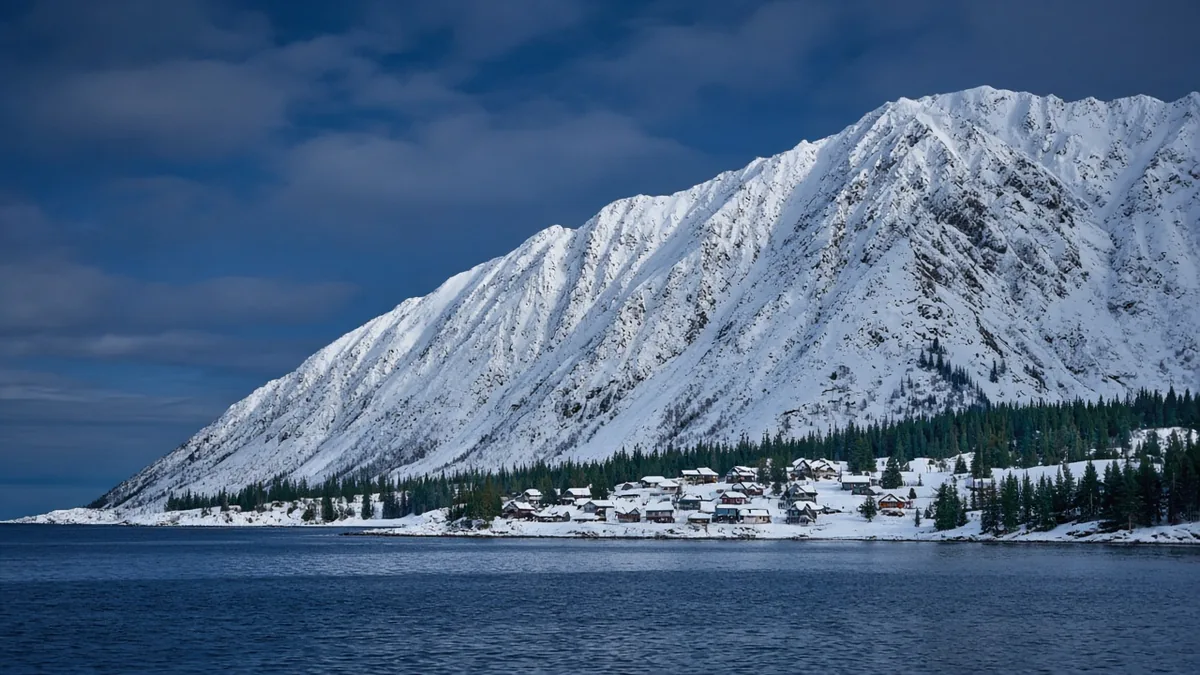
An Alaska avalanche zone mortgage file is a house loan where the lot sits in a mapped avalanche path or runout, or where the appraiser, the insurer, or the seller’s disclosure says snow from a slope above can reach the structure. It is a collateral and insurance question. It is not a backcountry travel class. Buyers looking at Anchorage-area houses, especially toward Girdwood and other steep coastal terrain, are the people who ask. Hillside lots in other towns can raise the same question when the slope above the roof is a starting zone, not a view.
Alaska Home HQ is educational. It is not a lender and it is not an avalanche forecasting office. The Alaska Division of Geological & Geophysical Surveys is the state geological survey that publishes hazard information, including avalanche material, for the public and for other agencies. A mortgage underwriter is not re-drawing that map. The underwriter is asking whether this house can be valued, insured for the perils the loan requires, and sold later to someone else who will ask the same questions. Rates vary. Subject to credit approval. No approval is promised because a slope looks quiet in summer.
What an Alaska avalanche zone mortgage review actually checks
Three desks see the slope. The appraiser asks whether the market pays less, or pays with conditions, for homes in that path. The insurer asks whether a policy can be written for the dwelling and which perils are excluded. The lender asks whether the policy and the appraisal satisfy the loan program. If any one of those fails, the file stalls even when your credit file is fine.
Seller disclosure is part of the paper. The home seller disclosure requirements discussion is where known hazards belong in a sale. A listing that says “mountain views” and a disclosure that says “avalanche” are telling you to read the map, not to ignore one of the sentences. Ask for any local hazard-map excerpt the seller or the listing agent used. A photograph of a slide that stopped in the alders twenty years ago is a story. The map and the disclosure are the file.
This page will not state a statewide setback in feet. Runout depends on the path, the snow, and the map adopted by the local government, if one exists. Some boroughs and cities have no avalanche zone at all. Some mapped areas split “high” and “moderate” or use their own words. Use the map for that jurisdiction. Do not paste a rule from one town onto another.
The Girdwood real estate guide is the neighborhood context for that valley. Turnagain Arm terrain is why the question is common there. A house in the valley is not automatically in a runout, and a house near a mapped path is not automatically a comfortable file. The address decides.
Insurance is the point where many files stop
Standard homeowners policies are specific about earth movement, flood, and other perils. Avalanche is not ordinary roof snow, and a policy may treat it differently from a heavy snow load. Ask the insurer, in writing, whether avalanche is a covered cause of loss or whether it falls into an earth-movement or similar exclusion. The homeowners insurance requirements page is about what lenders usually want to see on a policy. If the insurer will not write the dwelling, or will write it with an exclusion the investor will not accept, the lender does not have collateral they can protect.
Flood is a different map. A lot can be outside a flood zone and inside an avalanche path, or the reverse. The flood insurance mortgage guide does not answer the avalanche question. Order the right map for each hazard.
A quote that comes back high is information. A quote that comes back with a refusal is also information. Build time into the contract for that answer. Binding insurance the day before closing, only to learn the carrier excluded the peril the slope is known for, is a bad week.
Appraisal comments and future work
Appraisers comment on external influences. A mapped hazard can mean fewer comparable sales, bigger adjustments, or a comment that the property’s marketability is limited. Limited marketability is a lender phrase worth taking seriously. It means the next buyer may have the same insurance problem you are having now. Value is not only what you will pay. It is what the report can support with comps.
New construction, additions, and even a shop placed farther into the path can change what the local code allows. If a permit office requires a study or bars habitable space in a high-hazard area, the loan’s renovation plans have to follow that office. This article will not invent a municipal code section. Call the planning department that actually has jurisdiction over the parcel.
Winter access matters for you and for an appraiser. A house that cannot be reached safely for a site visit does not get a complete report because the view was pretty in July. If the contract is in a season when the path is loaded, ask whether the appraiser can complete the inspection and whether your insurer will bind. Those are timing facts.
A Permanent Fund Dividend can help with cash to close or with mitigation a local office actually asks for. It does not rezone the slope. Document the funds the way you would on any other purchase.
How to shop the house without pretending the slope is a view
Read the disclosure, pull the local hazard map, and send the address to an insurer before you waive inspection and insurance deadlines. Give the lender the same map if they ask. If the seller has an engineering letter, read the limits of that letter. A letter about a house design is not a promise that every future slide will stop where the letter hoped.
Alaska Housing Finance Corporation programs are educational and separate. Premier Mortgage (NMLS# 1168048) does not offer AHFC loans. Any public program still has to live with insurance and property rules. Do not assume a state product ignores a hazard the insurer will not cover.
If the answers come back acceptable, the rest of the loan is income, credit, and a normal appraisal. If they do not, the earnest-money deadlines are there so you can leave.
Want the slope and the loan looked at together? Get a free home loan quote from Premier Mortgage (NMLS# 1168048).
Frequently Asked Questions
Can you get a mortgage on a house in an avalanche zone in Alaska?
Sometimes, when an insurer will write a policy the lender can accept and an appraiser can support value and marketability. Sometimes the insurance answer stops the file before underwriting gets interesting. Ask with the address. Subject to credit approval and to the property qualifying, and a summer showing is not an underwriting approval.
Does homeowners insurance cover avalanche damage?
Ask the carrier about the policy you are actually buying. Many property policies treat earth movement as excluded, and avalanche may be discussed in that family of exclusions or as its own peril. Do not assume a standard roof-snow claim and an avalanche claim are the same event. Get the answer in writing and show it to the lender if they ask why the quote looks the way it does.
Are avalanche maps the same in every Alaska town?
No. Some cities and boroughs publish hazard maps and regulate building inside them. Many places have steep terrain and no local avalanche zone at all. The state geological survey is a place to start for hazard information, and the permit office for the parcel is the place that can tell you whether a map is adopted as regulation, and a map from one municipality does not govern a different borough.
Will the appraiser cancel the loan because of the slope?
The appraiser does not approve or deny the loan. The appraiser describes condition, value, and influences such as a hazard that affects what buyers pay. The lender decides whether that report and the insurance policy fit the program. A comment about limited marketability is a reason to pause and read, not a sentence to skip.
Is avalanche risk the same problem as flood insurance?
They are different hazards and different maps. A property can have one, the other, both, or neither. Flood insurance follows flood-zone rules when they apply. Avalanche follows whatever the insurer and the local hazard rules say for that slope, and order each determination on purpose.
Ready to Take the Next Step?
Get a free home loan quote today through our trusted partner.
Or call 9078411600
Disclaimer: This article is for informational purposes only and does not constitute financial, mortgage, legal, or tax advice. Interest rates, loan programs, eligibility requirements, and fees are subject to change without notice and may vary based on your individual circumstances. Alaska Home HQ is not a lender, broker, or financial institution. All loan applications are processed by Premier Mortgage (NMLS: 1168048). We may have a business relationship with Premier Mortgage and may receive compensation when you use their services through our links. Consult a licensed mortgage professional before making financial decisions. Terms of Service · Privacy Policy