Flood Zones and Mortgage Insurance Requirements in Alaska
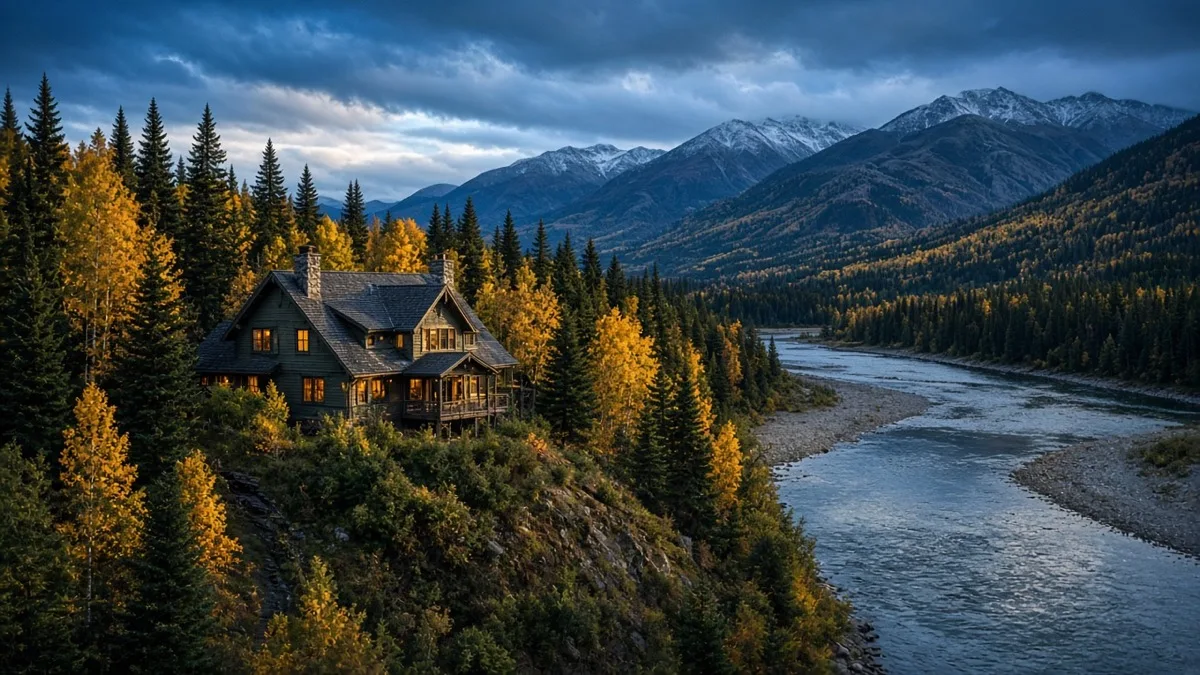
Alaska’s rivers, coastal communities, and spring breakup season combine to put a meaningful share of the state’s housing stock inside mapped flood zones. If a property you’re buying (or already own) falls into one, your lender will likely require flood insurance as a condition of the loan — and the cost and availability of that coverage can affect your overall homeownership budget more than buyers expect.
How Flood Zones Are Determined
FEMA maintains Flood Insurance Rate Maps (FIRMs) that designate flood risk zones for most of the country, including much of populated Alaska. Properties in a Special Flood Hazard Area (SFHA) — commonly labeled Zone A or AE — are considered to have a 1% or greater annual chance of flooding, often called the “100-year floodplain.” Federally regulated lenders are required by law to mandate flood insurance for any loan secured by a property in an SFHA.
You can check a specific address using FEMA’s Flood Map Service Center, which is the authoritative source lenders and insurers reference, though local floodplain administrators at the borough or municipal level can also confirm current mapping for a specific parcel.
Where This Comes Up Most in Alaska
- Riverside communities along the Kenai, Matanuska, Susitna, Chena, and other rivers see seasonal flooding risk tied to snowmelt, glacial outburst events, and heavy rain.
- Coastal and tidal areas face flood risk from storm surge and high tides, particularly in Southeast and Southcentral communities.
- Interior communities near rivers prone to ice jams, like sections of the Yukon and Tanana river systems, can see dramatic breakup flooding in some years even when summer flood risk is otherwise low.
Not every riverside or coastal property is in a mapped flood zone — elevation and specific mapping matter — but buyers considering water-adjacent property anywhere in Alaska should check flood zone status before finalizing an offer, not after.
What Happens If Your Property Is in a Flood Zone
If a lender determines a property is in an SFHA, flood insurance becomes a mandatory condition of the loan, typically for the life of the loan as long as it’s federally backed or sold to Fannie Mae or Freddie Mac. Coverage is available through the National Flood Insurance Program (NFIP) or increasingly through private flood insurers, and cost varies significantly based on elevation, the base flood elevation for the area, and whether the structure has any existing flood mitigation like elevated foundations.
Managing the Cost
- Get an elevation certificate if one doesn’t already exist — this documents your home’s elevation relative to the base flood elevation and can significantly affect your premium.
- Compare NFIP and private flood insurance quotes, since private insurers have expanded flood coverage options in many markets and sometimes offer more competitive rates than the standard NFIP policy.
- Ask about mitigation credits if the home has been elevated, has flood vents, or other features that reduce flood risk — these can lower premiums.
Buying With Confidence
If you’re house-hunting near water in Alaska, build a flood zone check into your due diligence alongside your standard home inspection. Discovering flood insurance is required after you’re already under contract can change your monthly budget significantly, so it’s worth confirming before you’re locked into a purchase agreement. For related considerations on rural and water-adjacent properties, see our guide on off-grid property financing in Alaska.
Frequently Asked Questions
Is flood insurance required on every Alaska mortgage?
No — only for properties located in a FEMA-designated Special Flood Hazard Area. Properties outside these zones are not required to carry flood insurance, though it’s available as optional coverage anywhere.
How much does flood insurance typically cost in Alaska?
Cost varies enormously based on the specific property’s elevation and flood zone designation — some policies run just a few hundred dollars a year, while high-risk, low-elevation properties can see premiums in the thousands. An elevation certificate is the best way to get an accurate quote.
Can I get flood insurance if my property isn’t in a mapped flood zone?
Yes, optional flood coverage is available for properties outside mapped high-risk zones, and many buyers purchase it anyway for added protection, particularly near rivers with a history of ice-jam flooding that maps don’t always fully capture.
What is an elevation certificate and do I need one?
It’s a document, typically prepared by a licensed surveyor, showing your home’s elevation relative to the base flood elevation for your zone. It’s not always required, but it can substantially lower your flood insurance premium if your home sits above the base flood elevation.
Does flood zone status affect my ability to get a mortgage at all?
No, being in a flood zone doesn’t prevent you from getting a mortgage — it simply adds a mandatory insurance requirement. The loan approval itself depends on your standard qualifying factors.
Buying near water in Alaska and want to understand how flood zone status affects your loan? Premier Mortgage (NMLS# 1168048) can walk through your options.
Ready to Take the Next Step?
Get a free home loan quote today through our trusted partner.
Or call 9078411600
Disclaimer: This article is for informational purposes only and does not constitute financial, mortgage, legal, or tax advice. Interest rates, loan programs, eligibility requirements, and fees are subject to change without notice and may vary based on your individual circumstances. Alaska Home HQ is not a lender, broker, or financial institution. All loan applications are processed by Premier Mortgage (NMLS: 1168048). We may have a business relationship with Premier Mortgage and may receive compensation when you use their services through our links. Consult a licensed mortgage professional before making financial decisions. Terms of Service · Privacy Policy