Alaska USDA Property Condition Requirements Explained
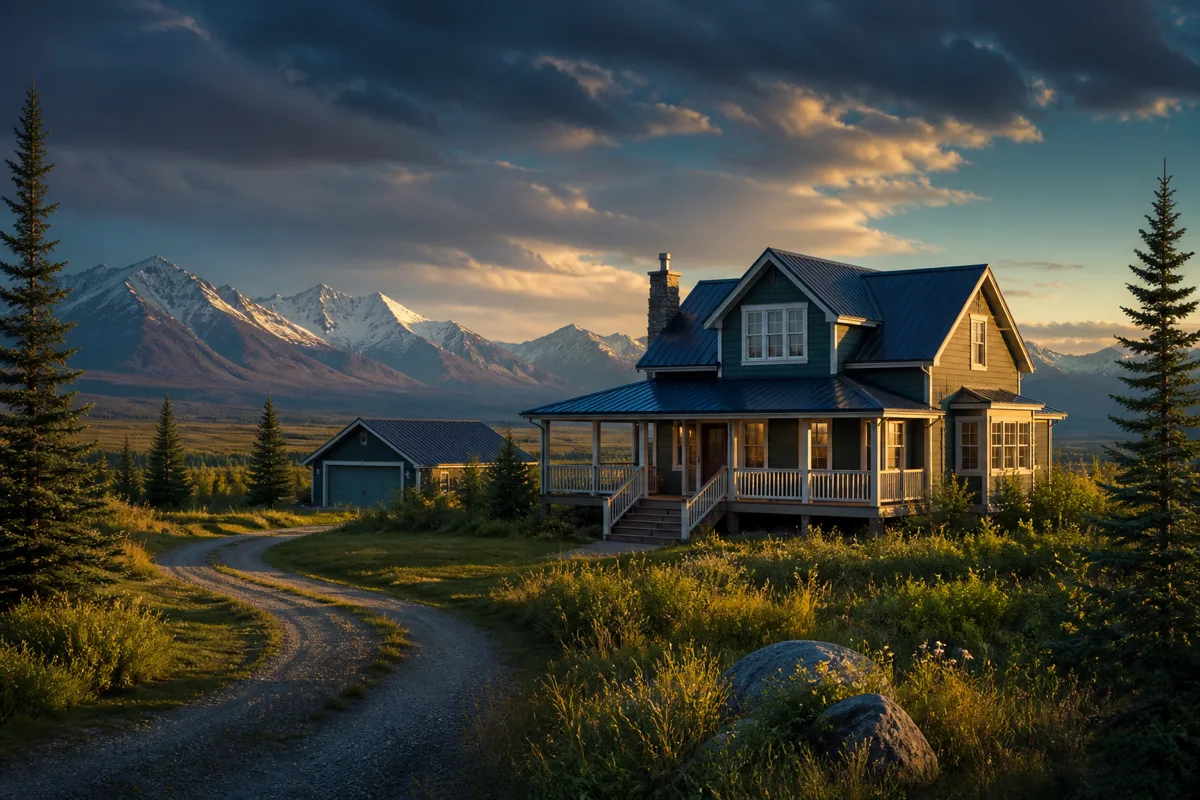
USDA Rural Development loans offer some of the best terms available to rural Alaska buyers — zero down payment for qualifying borrowers — but the property itself has to clear a specific set of condition standards that go beyond a typical home inspection checklist.
Why USDA Has Stricter Property Standards
Because USDA loans require no down payment, the government is taking on more risk with less buyer equity as a cushion. In exchange, USDA sets minimum property requirements (MPRs) designed to ensure the home is safe, sanitary, and structurally sound — protecting both the buyer from acquiring a problem property and the loan program from unnecessary default risk.
What Gets Checked
USDA properties go through a standard appraisal that also evaluates condition against MPR standards, covering:
- Roof condition — must have a reasonable remaining useful life; a roof at the end of its life or with active leaks typically needs repair or replacement before or immediately after closing
- Heating system — must be adequate for the climate and functioning properly; given Alaska’s climate, this gets particular scrutiny, and a marginal or failing heating system is a common point of concern
- Water and septic systems — private well water must meet safe drinking water standards (bacteria and often additional testing), and septic systems must be functioning properly, sometimes requiring a dedicated septic inspection
- Structural soundness — foundation issues, significant settling, or structural damage all raise flags
- Electrical systems — must be safe and functional, no exposed wiring or clearly unsafe conditions
- Access — the property generally needs to have adequate, year-round access; this is where some very remote Alaska parcels run into trouble, since USDA (like most loan programs) has practical limits on financing properties with no reliable road or maintained access
What Commonly Fails in Alaska
A few issues show up more often in Alaska USDA appraisals than the national average:
- Aging oil-fired heating systems nearing end of useful life, especially in older rural homes
- Well water quality issues — certain areas of Alaska have known mineral or bacterial concerns that require treatment systems to pass
- Deferred roof maintenance — heavy snow load areas see faster roof wear, and a roof that’s marginal can tip into “needs repair before closing” territory
- Non-conforming additions — cabins or rural homes with owner-built additions that weren’t permitted can create appraisal complications if they don’t meet basic safety standards
Repair Options When a Property Doesn’t Pass
If the appraisal flags condition issues, you have a few paths forward:
- Seller completes repairs before closing — most common when the issue is straightforward (a roof repair, a well treatment system) and the seller is motivated to close
- Escrow holdback — in some cases, funds can be held in escrow to complete repairs shortly after closing, though this is more limited under USDA than some other programs and depends on the specific issue and lender policy
- USDA Repair Loans and Grants (Section 504) — a separate USDA program (income and age-restricted, primarily for existing homeowners rather than purchase transactions) that can help fund health-and-safety repairs, worth knowing about even though it’s not typically the purchase-transaction solution
- Renegotiate or walk away — if repair costs are significant and the seller won’t address them, buyers can renegotiate price or use their appraisal/inspection contingency to exit the contract
How This Compares to Conventional or FHA
USDA’s property standards are broadly similar in spirit to FHA’s minimum property requirements — both focus on safety, soundness, and sanitation — but USDA appraisers apply them within the context of typically older or more rural housing stock, and USDA’s zero-down structure means there’s less flexibility to simply accept a lower appraised value and bring more cash, since most USDA buyers don’t have much cash to bring.
This connects closely to Alaska’s rural and remote property financing landscape more broadly — access, utilities, and condition all interact when financing homes outside Alaska’s larger population centers.
Preparing for a USDA Purchase in Alaska
Get a pre-inspection before making an offer if you’re at all uncertain about a property’s condition — a $400-600 inspection can save you from a contract that falls through weeks later over an MPR issue the appraiser catches. Ask your loan officer for specific guidance on what USDA appraisers in your target area have historically flagged.
Considering a USDA loan for a rural Alaska property? Premier Mortgage (NMLS# 1168048) can help you understand what a specific property needs to pass USDA standards before you make an offer.
Frequently Asked Questions
Can I buy a fixer-upper with a USDA loan in Alaska?
Only if the needed repairs don’t violate USDA’s minimum property requirements, or if they can be completed before or shortly after closing through seller repairs or a limited escrow arrangement. Major structural or safety issues generally must be resolved before the loan can close.
Does USDA require a separate home inspection beyond the appraisal?
USDA doesn’t mandate a separate inspection, but it’s strongly recommended for buyers regardless of loan type — the appraisal checks MPR compliance, not the detailed mechanical and cosmetic issues a full home inspection covers.
What if my well water fails the USDA-required test?
You’ll typically need to install a treatment system addressing the specific contaminant found, then retest to confirm it meets standards before closing. This is a common and usually resolvable issue, but budget time for retesting.
Are manufactured homes eligible for USDA loans in Alaska?
Yes, subject to specific USDA requirements for manufactured housing (permanent foundation, age limits, and other standards) — not all manufactured homes qualify, so confirm eligibility for the specific unit before making an offer.
How long does a USDA appraisal take compared to conventional?
Timelines are generally similar, though USDA appraisals sometimes take slightly longer in very rural areas due to appraiser availability and the additional MPR condition assessment. Build a little extra time into your closing timeline as a buffer.
Ready to Take the Next Step?
Get a free home loan quote today through our trusted partner.
Or call 9078411600
Disclaimer: This article is for informational purposes only and does not constitute financial, mortgage, legal, or tax advice. Interest rates, loan programs, eligibility requirements, and fees are subject to change without notice and may vary based on your individual circumstances. Alaska Home HQ is not a lender, broker, or financial institution. All loan applications are processed by Premier Mortgage (NMLS: 1168048). We may have a business relationship with Premier Mortgage and may receive compensation when you use their services through our links. Consult a licensed mortgage professional before making financial decisions. Terms of Service · Privacy Policy