Muskeg Lot Mortgage Rules in Alaska
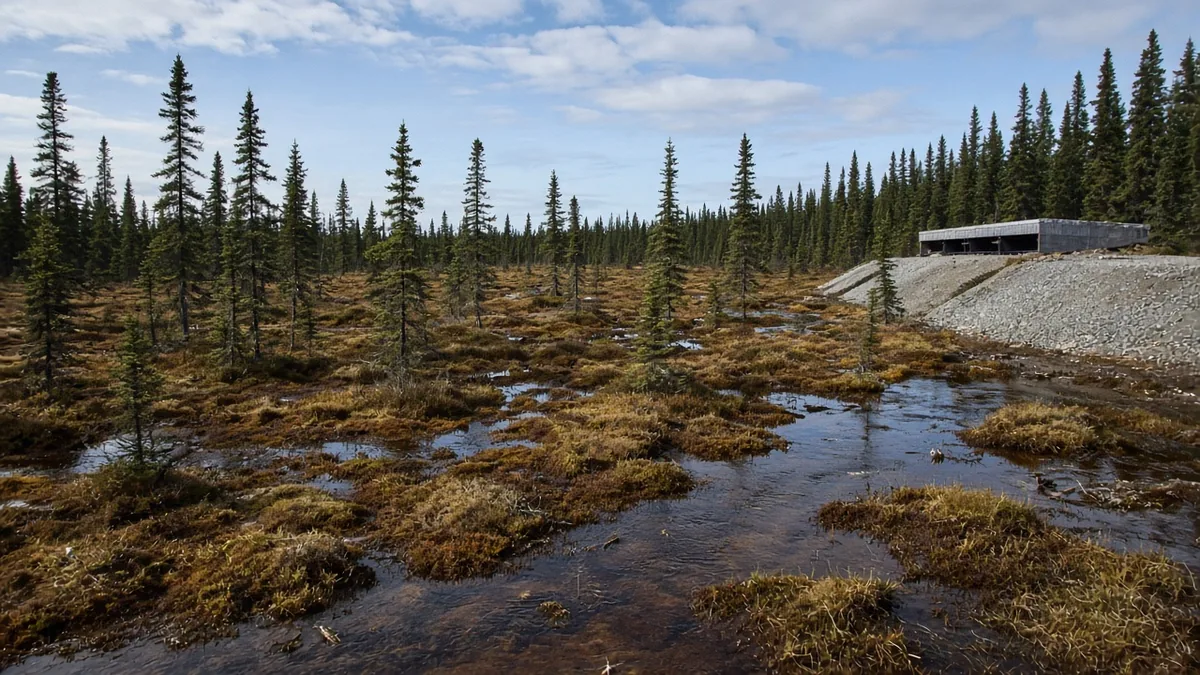
An Alaska muskeg lot mortgage is a home loan on ground that is mostly wet organic soil: peat, sphagnum, and a water table that sits close to the surface. The surface can look like a meadow. It can also swallow a boot, a truck, or a foundation that was designed for mineral soil. Buyers on the western Kenai, including around Soldotna, meet this ground often. So do buyers in rainy parts of Southeast and in other low country. The loan cares whether a house can be supported there, how waste will be handled, and whether disturbing the ground is a wetlands permit. This page does not state a peat depth, a gravel thickness, or a setback.
Alaska Home HQ is educational. It is not a lender, it is not the Corps of Engineers, and it is not the Department of Environmental Conservation. Subject to credit approval.
What an Alaska muskeg lot mortgage is responding to
Muskeg is not a zoning district. It is a ground condition. In summer it is spongy and often ponded. In winter the surface can freeze hard enough to drive on, which hides the problem until breakup. A listing photo from March, with a firm white yard, is a weak description of July. Walk it in the wet season if you can. If you can only walk it frozen, treat what you saw as incomplete.
Foundations on this ground are a design problem. Pilings, a thickened pad, extra gravel, or a house that already shows settlement are all versions of the same fact: organic soil compresses and holds water. This page does not prescribe a foundation and does not state how much gravel is enough. A builder or an engineer who has worked the local muskeg is the person who can. An appraiser notes what is there and what similar houses are. The remaining economic life appraisal guide becomes relevant when a house is racking, floors slope, or the skirting hides a void. Settlement is a value question, not only a comfort question.
Access belongs in the same paragraph. A driveway that pumps water beside the tires in May may be the only way to the house. School buses, fuel trucks, and your own car all use it. A beautiful pad with an impassable approach is a seasonal house whether the listing says year-round or not.
Septic and the wastewater file
Saturated ground and a conventional drainfield are often a poor match. The approval, if one is required, comes through the state’s wastewater rules, not through a mortgage blog. The ADEC wastewater approval guide is the loan-side explanation of that paper. The well and septic mortgage requirements sit next to it. A perk test from a dry week, or a seller’s memory that “it perks fine,” is not the approval.
Existing systems fail in muskeg in ordinary ways: a tank that floats, a field that surfaces, a mound that went unmaintained. An inspection that includes opening the tank tells you more than a flush test at the kitchen sink. If the system is a holding tank or an engineered plant, say so in the contract. Those are different maintenance bills, and some loan programs read them differently. This page does not declare which programs accept which system.
Water and waste are separable. A lot can have a decent well on a gravel ridge and muskeg everywhere the field would go. It can also have the reverse. Test and locate both. The well articles on this site are for water quality. They do not answer the peat.
Wetlands, and the permit that might not apply
Not every muskeg lot is a federal wetland permit. Some are. The way to find out is a delineation and a talk with the regulator, not a guess from the color of the moss.
The U.S. Army Corps of Engineers Alaska District Regulatory program administers Section 404 of the Clean Water Act, Section 10 of the Rivers and Harbors Act of 1899, and Section 103 of the Marine Protection, Research and Sanctuaries Act. The District describes its role as regulating activities that may affect wetlands and other waters of the United States, across the state. Filling, ditching, or building a pad can be the activity. Owning muskeg is not, by itself, the activity.
The wetland delineation guide is the buying-side version of that step. A delineation is a report. It is not a loan approval and it is not a refusal. Bring it when you have it. A seller who says the lot stays dry has not produced one.
Local borough rules can also limit fill and driveway work. Those codes differ. This page does not cite an ordinance and does not state a buffer distance. The planning department for the parcel is the office with the local rule.
How the mortgage uses the ground
The lender wants a house that meets the program’s property standards and an appraisal that can be supported. Muskeg becomes a problem in the file when the appraiser cannot find comparable sales, when the inspector flags the foundation or the septic, or when a permit for the pad or the field is open and unfinished. It is not a problem merely because the word muskeg appears in a listing.
Give the lender the inspection, any wastewater approval, the survey if the buildable area is only part of the lot, and the delineation if one was done. Photos of standing water are useful. Photos from only the frozen months are incomplete.
Insurance follows the house that exists. A policy can exclude some water damage. Read it beside the foundation report rather than instead of it. The homeowners policy is not a soils report.
The Permanent Fund Dividend Division posted the 2026 dividend at $1,200, including a $200 energy relief payment, on the PFD site. People put that money toward a soils look, a tank pump-out, or a delineation. The dividend does not firm up the peat and it does not issue a permit.
If the remainder of a larger parcel is muskeg and the homesite is a dry ridge, you may also be in an excess-land conversation. The value may live on the ridge. Say that plainly so the appraiser is not asked to price a meadow the market does not treat as yard.
Ready to explore your options? Get a free home loan quote from Premier Mortgage (NMLS# 1168048).
Frequently Asked Questions
Is muskeg the same thing as a wetland?
It often overlaps, and it is not automatic. Muskeg describes wet organic ground. A jurisdictional wetland is a regulatory finding. The Corps page linked above is the federal office that looks at waters of the United States. A delineation is the report. This page does not label your lot either way from a photograph.
Can I finance a house that is already on pilings in muskeg?
Sometimes, when the house meets the program standards and the appraisal holds. Pilings can be the right design. They can also be failing. The inspection and, when the floors are out of level, an engineer are how you tell. The loan is on the house as it performs, not on the fact that someone once chose pilings.
What if the septic is a mound or a holding tank?
Name it. A mound, a conventional field, and a holding tank are different maintenance and different paperwork. The wastewater approval guide is the place to match the paper to the system. A mortgage blog does not swap one system in for another or promise that a lender will accept the tank.
Does winter access count as year-round access?
A frozen surface can carry a truck and still be a bog in June. If the listing says year-round, ask what that means in breakup and look at the driveway when it is soft. Seasonal access changes who will lend and how you will live there. Describe what you saw, including the month.
Will extra gravel fix the lot for the lender?
Gravel can be part of a builder’s design. It is not a loan condition this page can write, and it is not a depth this page will invent. Structural fill can also be the activity a wetland permit looks at. Check the permit question before you treat a gravel bill as the whole solution.
Ready to Take the Next Step?
Get a free home loan quote today through our trusted partner.
Or call 9078411600
Disclaimer: This article is for informational purposes only and does not constitute financial, mortgage, legal, or tax advice. Interest rates, loan programs, eligibility requirements, and fees are subject to change without notice and may vary based on your individual circumstances. Alaska Home HQ is not a lender, broker, or financial institution. All loan applications are processed by Premier Mortgage (NMLS: 1168048). We may have a business relationship with Premier Mortgage and may receive compensation when you use their services through our links. Consult a licensed mortgage professional before making financial decisions. Terms of Service · Privacy Policy