New Construction vs Existing Homes in Alaska
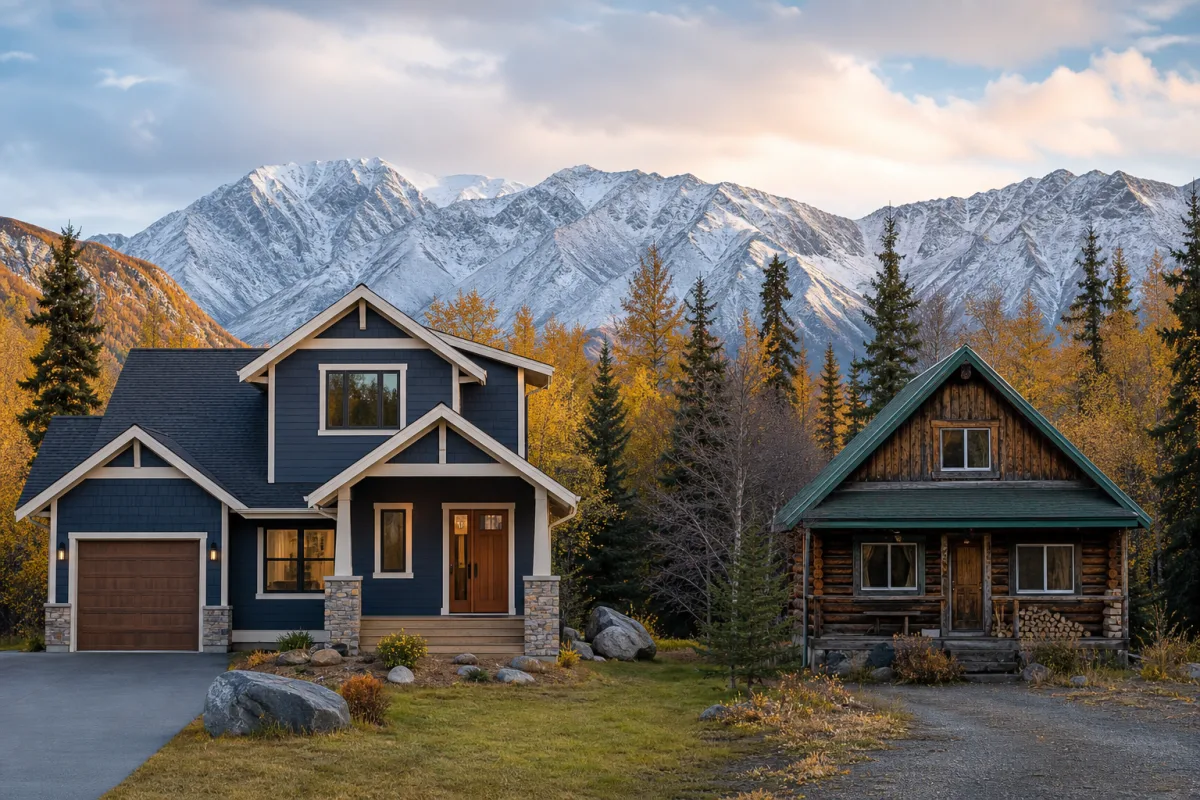
Buying a home in Alaska means weighing the benefits of brand-new construction against the character and immediate availability of existing homes. Alaska’s short building season, unique financing options like the AHFC $10,000 new construction rebate, and appraisal difficulties for new builds all play major roles in this decision. This guide breaks down the key differences so you can choose the right path for your budget, timeline, and lifestyle.
Alaska’s Short Building Season Changes Everything
Alaska’s construction window typically runs from May through September in most regions, with even shorter seasons in the Interior and rural areas. This compressed timeline affects everything from material deliveries to contractor availability. New construction projects often face delays if permits lag or weather turns early.
Existing homes let you move in quickly without waiting for a foundation to cure or siding to arrive by barge. In Anchorage or the Mat-Su Valley, you can close and occupy an existing property within 30-45 days. New builds, however, may require 6-12 months from groundbreaking to certificate of occupancy, depending on complexity and weather.
The short season also drives up costs for new construction. Labor and materials command premiums during peak months, and shipping delays for specialized components can push timelines further. Buyers considering new builds should factor in potential winter storage costs for materials and the risk of paying for temporary housing longer than planned.
AHFC $10,000 New Construction Rebate
The Alaska Housing Finance Corporation offers a $10,000 rebate specifically for new construction homes that meet energy efficiency standards. This program aims to encourage modern, efficient building practices in a state where heating costs dominate household budgets.
To qualify, the home must achieve specific energy ratings and be built by a registered contractor. The rebate applies after closing and requires documentation of the home’s energy performance. This incentive can offset a significant portion of the premium you pay for new construction, making it more competitive with existing homes that may need immediate upgrades.
Existing homes can also access AHFC energy efficiency programs, but the new construction rebate is unique to freshly built properties. Buyers should confirm current program details with an AHFC-approved lender before making offers, as funding and eligibility rules can shift annually.
For more on financing new construction, see the Alaska First Time Homebuyer Guide.
Appraisal Challenges for New Builds
One of the biggest hurdles for new construction in Alaska is the appraisal process. Appraisers rely on comparable sales, yet new neighborhoods often lack sufficient recent comps, especially in smaller communities like Homer or Juneau.
When comparable sales are limited, appraisers may use older existing homes or homes from different subdivisions, which can result in conservative valuations. If the appraisal comes in below the contract price, buyers must either renegotiate, bring additional cash, or walk away.
Existing homes benefit from established sales history in the same neighborhood. Multiple recent transactions provide appraisers with clearer data, reducing the risk of lowball valuations. This stability makes financing smoother for buyers using conventional, FHA, VA, or USDA loans.
Learn more about Alaska appraisal nuances in the Alaska Home Closing Costs Guide.
Energy Efficiency: New vs Existing
New construction homes in Alaska are built to current energy codes and often exceed them to qualify for rebates. Modern insulation, triple-pane windows, high-efficiency furnaces or heat pumps, and airtight envelopes dramatically reduce heating costs compared to homes built before 2000.
Many existing homes, especially those constructed in the 1970s through 1990s, have outdated insulation, single-pane or double-pane windows, and less efficient heating systems. Upgrading these features can cost $15,000-$40,000 depending on scope, though AHFC weatherization programs and interest rate reduction incentives can help offset expenses.
Buyers of existing homes should budget for an energy audit and potential improvements. The long-term savings from efficiency upgrades often justify the upfront cost, but new construction offers immediate performance without renovation disruption.
Explore energy efficiency financing options through the AHFC Loan Programs Explained.
Warranty Protections for New Construction
New homes typically come with a one-year builder warranty covering workmanship and materials, plus extended structural warranties that may last 5-10 years. These protections give buyers peace of mind that major defects will be addressed at no cost.
Existing homes carry no such builder warranty. Buyers rely on home inspections to identify issues, and any repairs become their responsibility after closing. While a thorough inspection catches most problems, hidden defects like foundation settling or roof leaks can surface years later.
Some builders offer extended warranties for an additional fee, and third-party warranty companies provide coverage for both new and existing homes. Still, the built-in protection on new construction remains a significant advantage for risk-averse buyers.
Timeline Differences and Planning
New construction buyers must plan for a longer journey. From selecting a lot and builder to final walkthrough, the process can span 9-18 months. During this time, interest rates may rise, personal circumstances can change, and construction costs can escalate.
Existing homes offer near-immediate occupancy. Once financing is secured and inspections clear, closing typically occurs within 30-45 days. This speed is especially valuable for families relocating for jobs or military assignments who need stable housing quickly.
However, new construction allows buyers to customize finishes, choose layouts, and incorporate Alaska-specific features like extra storage for winter gear or reinforced roofs for snow load. Existing homes may require compromises or costly renovations to achieve the same personalization.
See the full buying process in Buying a House in Alaska.
Financing Considerations
Both new and existing homes qualify for the same loan programs, including FHA, VA, USDA, and AHFC options. However, lenders may apply stricter requirements to new construction, such as requiring the builder to be approved and the home to meet specific energy standards.
Construction-to-permanent loans allow buyers to finance the build and convert to a permanent mortgage at completion. These loans often carry higher rates and fees than standard mortgages for existing homes.
Buyers should also consider that new construction values may not appreciate as quickly in the first few years, while established neighborhoods with mature landscaping and amenities often hold value better in the short term.
For current market context, review the Alaska Real Estate Market 2026.
Anchorage Market Snapshot
In Anchorage, new construction tends to cluster in areas like South Anchorage and the Hillside, where larger lots accommodate modern floor plans. Existing homes dominate established neighborhoods such as Turnagain, Rogers Park, and Muldoon, offering walkability and mature trees.
New builds in Anchorage command premiums of 15-25% over comparable existing homes, partly offset by the AHFC rebate and lower maintenance costs. Existing homes in desirable school zones often sell quickly, sometimes with multiple offers.
See Anchorage-specific guidance at /locations/anchorage/.
Wasilla and Mat-Su Considerations
The Mat-Su Valley offers more new construction opportunities at lower price points than Anchorage. Builders in Wasilla and Palmer are actively developing subdivisions with AHFC-eligible homes.
Existing homes in the Valley range from older homestead properties to 1990s subdivisions. Buyers often find larger lots and lower taxes compared to Anchorage, though commute times and winter road conditions factor into the decision.
New construction in Wasilla benefits from proximity to the Parks Highway and growing retail amenities. Check local options at /locations/wasilla/.
Fairbanks and Interior Realities
Fairbanks new construction must contend with extreme cold and permafrost, requiring specialized foundation engineering. Costs run higher, and the short season is even more compressed.
Existing homes in Fairbanks and North Pole often feature older heating systems and variable insulation quality. Many were built during military expansion periods and may need updates to meet modern efficiency standards.
The limited new construction inventory means buyers frequently choose existing homes, especially near Fort Wainwright or Eielson AFB. Explore Fairbanks details at /locations/fairbanks/.
Making Your Decision
Choose new construction if you value energy efficiency, warranties, customization, and can tolerate a longer timeline. The AHFC rebate and potential utility savings make it financially competitive despite higher upfront costs.
Opt for an existing home if you need to move quickly, prefer established neighborhoods, or want to leverage immediate equity through renovations. Thorough inspections and budgeting for updates are essential.
Many buyers find success by working with lenders experienced in both scenarios. Premier Mortgage (NMLS# 1168048) can walk you through financing options for either path.
Frequently Asked Questions
Does the AHFC $10,000 rebate apply to all new homes in Alaska?
No. The rebate requires the home to meet specific energy efficiency standards and be constructed by an approved builder. Confirm eligibility with your lender before signing a contract.
How much longer does new construction financing take compared to existing homes?
New construction often requires 45-60 days for initial approval plus ongoing draws during building, while existing home loans typically close in 30-45 days. Construction-to-permanent loans add complexity and documentation.
Are new construction homes more expensive to insure in Alaska?
Insurance rates depend more on location, construction type, and fire protection than new versus existing status. However, modern building codes and materials may qualify for discounts. Obtain quotes early in the process.
Can I use an FHA loan for new construction in Alaska?
Yes, FHA loans can finance new construction, but the builder must meet FHA requirements and the home must pass inspection. Many Alaska builders are FHA-approved, though availability varies by region.
What happens if the appraisal comes in low on a new build?
Buyers may renegotiate the price, pay the difference in cash, or cancel the contract if the agreement includes an appraisal contingency. Limited comps make this risk higher for new construction than existing homes.
This article is for educational purposes only. Premier Mortgage (NMLS# 1168048) does not guarantee approval or specific rates. Consult your lender for personalized guidance.
Ready to Make Your Move?
Get pre-approved for your home loan first — it gives you a competitive edge. Need a listing agent? We can help.
Or call 9078411600 · or email contact@akhomehq.com
Disclaimer: This article is for informational purposes only and does not constitute financial, mortgage, legal, or tax advice. Interest rates, loan programs, eligibility requirements, and fees are subject to change without notice and may vary based on your individual circumstances. Alaska Home HQ is not a lender, broker, or financial institution. All loan applications are processed by Premier Mortgage (NMLS: 1168048). We may have a business relationship with Premier Mortgage and may receive compensation when you use their services through our links. Consult a licensed mortgage professional before making financial decisions. Terms of Service · Privacy Policy