Utility Easement Across an Alaska Lot
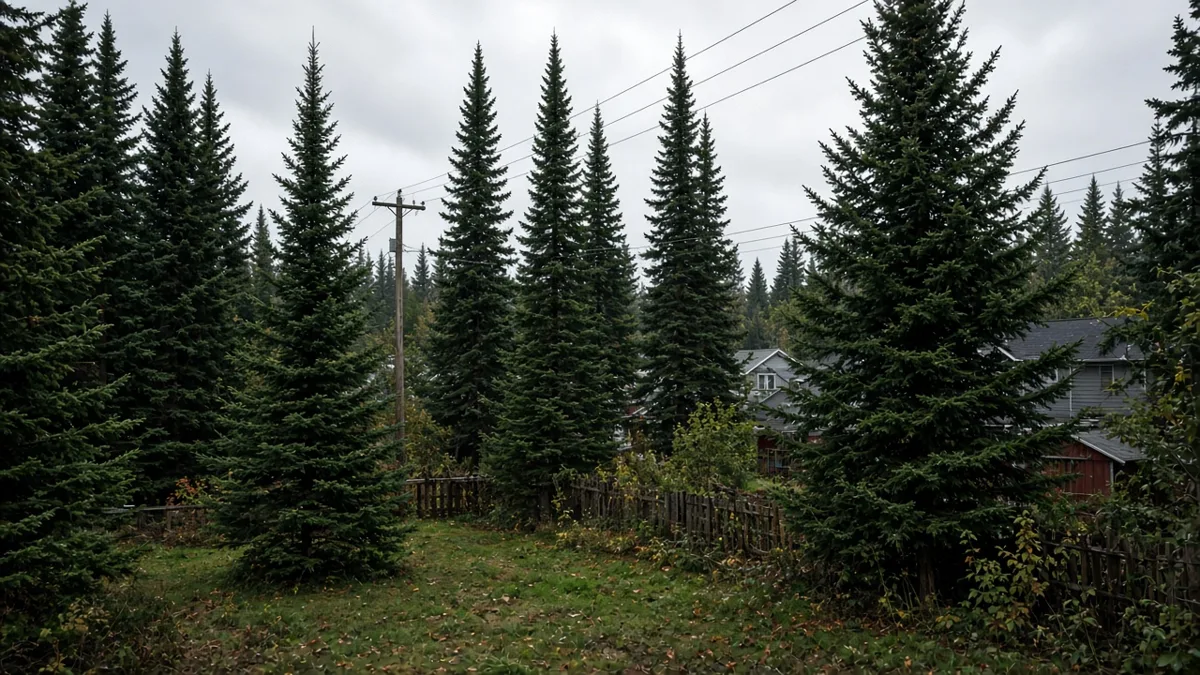
A utility easement across an Alaska lot is a recorded strip, usually shown on the plat, where a utility may keep a line, a pole, a pipe, or a pedestal. You often still own the land. You do not own the right to build in the strip as if the easement were not there. Alaska Home HQ is educational. It is not the utility and it is not a title company. A section-line easement is the section-line page. This page is the utility strip.
What the plat is telling you
Read the plat notes and the easement callouts before you place a garage, a shop, a deck, or a well in your head. A ten-foot easement along the rear lot line is ordinary. A diagonal easement through the middle of a small lot can wipe out the only flat place to build. The drawing is the warning. The title commitment should list the easement. If you are buying in Wasilla or Palmer, many subdivisions dedicated utility easements on the plat when the lots were created. The dedication is already there. It does not appear because a line was built. It appears because the plat said so, even if the wire came later or never came.
Go look. A pedestal in the corner, a guy wire, a cleared corridor, and a water valve are the field version of the drawing. Sometimes the line is not built and the easement still forbids a permanent structure. Sometimes the line was built outside the easement, which is a survey problem, not a free pass to pretend the legal strip moved. The as-built survey is how you see improvements against the lines. Order it early if you plan to build close to a boundary.
The utility’s rights inside the strip usually include entry to maintain the line and the right to keep the strip clear. A fence, a shed, or a garden may be tolerated until the utility needs the strip, and then you may have to move them at your cost. Do not spend shop money in the easement because a neighbor’s shed has sat there for a decade. Their shed is not your permit.
The loan, the well, and the septic
Lenders and appraisers care when an easement makes the lot unbuildable or puts a line through the house. A standard rear easement rarely kills a loan on an existing house. A transmission corridor that takes a third of a small lot can change value and can change whether a well or a septic system has a legal place to go. Those systems have their own setbacks. An easement on top of the only septic area is a design problem you solve before you buy, not after. This page does not state a setback distance. The borough or the city and the design engineer do.
If you need the utility to move a line or to consent to a structure, that consent is a document with a timeline. It is not a phone call you make the week of closing. Poles and anchors have owners. You do not move them because they spoil a view. Buyers in Anchorage who want an addition toward the rear line should pull the plat and the as-built before they hire an architect. The architect will charge you to discover the easement if you do not.
Insurance rarely excludes a house because a distribution easement crosses the back yard. It may care about a large transmission line for other reasons. Tell the agent what is overhead. Value follows what buyers pay for lots under lines. Some pay less. The appraisal will look at whether the comps have the same corridor. If yours is the only lot under a high-voltage line, the comps need a real adjustment or they are the wrong comps.
Call the utility before you design. The name on the pedestal or the pole tag is the starting point. Ask what they need for clearance and whether a structure you want is something they will consent to in writing. Verbal “that should be fine” from a field tech is not a consent letter. If the line is a distribution drop to your own house, the easement may be narrower than a feeder that serves the whole block. The plat tells you the width. The utility tells you the clearance. You need both.
Buried cable and overhead wire can share one easement or sit in two. A lot can have a power easement on the rear and a water easement on the side. Do not clear only one. The title report’s list is the checklist. Walk it with the drawing in your hand. If a structure you love is already in the strip, ask whether it was permitted and whether the utility has a removal right. Buying it means buying that risk. A price cut is rational. A hope that nobody will ever need the line is not.
Setbacks from the borough or the city stack on top of the easement. A building can satisfy the zoning setback and still sit in the utility strip. The stricter limit is the one you design to. Ask the permitting desk which drawing they want, and bring the plat. A shop permit denied after you own the lot is an expensive way to read a note you could have read in the listing packet. If the easement is described in a separate recorded document and not only on the plat, get that document. The plat note sometimes says “see book and page.” That book and page is the actual right. Do not stop at the picture.
If a line must be relocated, ask for the utility’s written cost and lead time before you treat relocation as a closing condition. Those quotes often take longer than a finance contingency. A seller who says the power company will move it for free should produce the email. Free relocations are rare. A paid one belongs in the contract with a deadline that matches the utility, not your preferred closing Friday.
Thinking about a lot with a line across it, and want the loan to assume you can still use the yard? Premier Mortgage (NMLS# 1168048) can flag an easement the commitment calls out, when it actually affects the collateral. Subject to credit approval.
Frequently Asked Questions
Do I own the land under a utility easement?
Usually yes. The utility owns a right to use the strip, not the whole fee, unless the deed says otherwise. You still cannot treat the strip as a place for a permanent building.
Is a section-line easement the same thing?
No. A section line is a different public strip and has its own page. A utility easement is for the line, the pipe, or the pedestal the plat or a separate document describes.
Can I put a shed in the easement?
Often you can until the utility needs the ground, and then you may have to move it. Do not put a foundation or a garage there. Read the plat note. A neighbor’s shed is not permission.
Will a normal backyard easement stop a mortgage?
Rarely, if the house is already standing clear of it. An easement that runs through the building pad or the only septic area can change value and can stall a construction loan. Read the plat first.
Ready to Make Your Move?
Get pre-approved for your home loan first — it gives you a competitive edge. Need a listing agent? We can help.
Or call 9078411600 · or email contact@akhomehq.com
Disclaimer: This article is for informational purposes only and does not constitute financial, mortgage, legal, or tax advice. Interest rates, loan programs, eligibility requirements, and fees are subject to change without notice and may vary based on your individual circumstances. Alaska Home HQ is not a lender, broker, or financial institution. All loan applications are processed by Premier Mortgage (NMLS: 1168048). We may have a business relationship with Premier Mortgage and may receive compensation when you use their services through our links. Consult a licensed mortgage professional before making financial decisions. Terms of Service · Privacy Policy