Alaska Winter Home Buying Tips
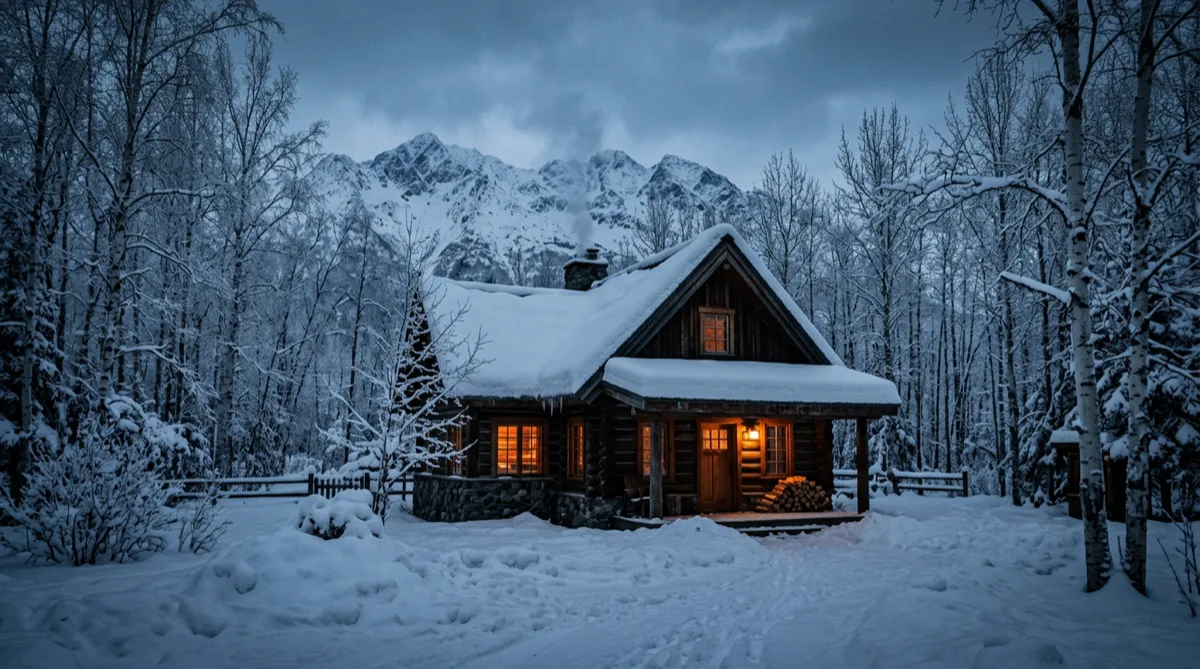
Buying a home in Alaska during winter — roughly October through April depending on the community — has genuine advantages and some specific things to watch out for. Less competition, motivated sellers, and the opportunity to evaluate a home’s heating performance in real time are reasons buyers choose the off-season. But there are also things winter snow and ice actively hide that you need to be aware of.
This guide gives you a practical winter homebuying playbook for Alaska.
Why Winter Buying Has Real Advantages
Less competition. Alaska’s housing market sees reduced buyer activity from October through March. Sellers who’ve had their homes on the market since summer may be more motivated to negotiate. Multiple-offer situations are less common in winter, giving buyers more leverage on price and terms.
Heating system performance. You can evaluate the actual heating system under real-world conditions. A boiler running in January will reveal whether it adequately heats every room — something impossible to assess in summer. Ask how many gallons of oil or Mcf of gas the home uses in a typical winter. Request utility bills from the past 12 months.
Energy efficiency visibility. In cold weather, poorly insulated walls, drafty windows, and inadequate attic insulation reveal themselves through frost on interior surfaces, cold spots, and elevated heating bills. These issues are invisible in summer. If a home has thermal problems, winter shows you.
Fewer contingent buyers. Sellers with winter timelines often have genuine motivation — job relocation, estate sales, life changes. These sellers tend to be realistic about pricing.
What Winter Snow and Ice Hides
The same winter conditions that reveal heating performance can hide important property issues. Be aware of:
Roof Condition
Snow and ice cover the roof. A 30-year-old roofing surface with significant wear, granule loss, or deteriorated flashing is invisible under 2 feet of snow. Your home inspector should flag what they can see and explicitly note what’s covered. Consider including a roof inspection contingency that extends to spring — or negotiate a reduced price with a specific allowance for roof uncertainty.
Ice dams on the roof edge are a visible warning sign even in winter — they indicate heat loss through the attic, which causes snow to melt at the roof peak and refreeze at the eaves. Ice dams can damage roofing material and cause water infiltration. If you see significant ice dams, ask to see interior ceilings for water stain evidence.
Foundation Drainage and Grading
Snow cover prevents evaluation of how water drains away from the foundation. Improper grading that channels snowmelt toward the foundation is a significant cause of Alaska basement moisture and water intrusion. Ask the seller for any history of basement or crawl space moisture issues. Come back in spring if you can, or request a specific inspection clause.
Deck, Patio, and Exterior Wood
Exterior structures are often buried in snow. Deck boards, railings, and post bases deteriorate in Alaska’s freeze-thaw cycles. Rotted posts at grade level are a common and expensive issue that winter conceals. Ask the inspector to probe what they can access.
Landscaping and Drainage
The yard and its drainage features are hidden under snow. Areas that pond water in spring — near low spots, drainage swales gone bad, or compacted soil — aren’t visible in winter. If you’re buying sight-unseen on the yard condition, include a landscaping/drainage contingency or walkthrough after snowmelt.
Well and Septic Systems
In rural properties on private wells and septic:
- Well function can still be tested in winter (water flows year-round)
- Septic access for inspection may be more difficult with frozen ground and snow cover
- Leach field inspection may require waiting for ground thaw
FHA and VA loans require well and septic documentation regardless of season. Plan for scheduling flexibility if winter conditions delay testing.
Winter Home Inspection Checklist for Alaska Buyers
Go beyond the standard inspection. In a winter Alaska purchase, prioritize:
- Heating system: Type, age, service history, output capacity for the home’s square footage
- Oil tank: Size, condition, current oil level, signs of rust or leakage (tanks 20+ years old in Alaska may need replacement)
- Chimney and woodstove: Creosote buildup, damper function, chimney liner condition
- Attic insulation: R-value, vapor barrier presence, signs of condensation or frost (frost in the attic indicates air leakage)
- Windows: Frost on interior glass surfaces = failing seals or inadequate glazing
- Pipes: Ask about heat tape on any exposed pipes; check under sinks in cold exterior walls
- Driveway and access: Can you safely access the property? Is the driveway well-maintained in winter?
- Garage: Attached garage heating — is it heated and insulated? Unheated attached garages can cause frozen pipes in adjacent spaces
- Crawl space: Vapor barrier condition, insulation, signs of frozen pipes or frost accumulation
Negotiating Winter-Specific Issues
In a winter purchase, consider negotiating:
Oil/propane credit: Ask the seller to leave the oil or propane tank full at closing, or provide a credit for current fuel. Coming into a home with an empty tank in January is a real hardship.
Extended inspection period: Given winter constraints on exterior inspection, negotiate an inspection period that explicitly allows for a spring follow-up or holds back a small escrow amount for items that can only be evaluated after snowmelt.
Warranty for undisclosed defects: In Alaska, sellers are required to complete disclosure forms covering known material defects. Ask specifically about basement/crawl space moisture history, roof leaks, and past pipe freezing events. Recent history will be on the disclosure form; document anything the seller tells you verbally.
Mortgage Pre-Approval Doesn’t Wait for Spring
One thing winter doesn’t affect: the mortgage pre-approval process. If you’re planning a spring purchase, getting pre-approved in January or February puts you ahead of the wave of buyers who enter the market in March and April.
Alaska’s spring market typically picks up sharply after March — inventory increases and competition rises. Being pre-approved with a clear budget before the spring rush gives you a genuine first-mover advantage.
Thinking about buying this winter or spring in Alaska? Premier Mortgage (NMLS# 1168048) can get you pre-approved for any Alaska community.
For more context on Alaska’s unique homebuying environment, see our guides on Alaska Home Appraisal Tips and Best Time to Buy a Home in Alaska.
Frequently Asked Questions
Is it harder to get a mortgage in Alaska winter?
The mortgage process itself runs year-round without seasonal slowdowns. The main winter-specific consideration is that appraisals may note limited exterior inspection due to snow cover, and well/septic testing schedules may be affected by frozen ground access. These are manageable — not dealbreakers. Pre-approval, underwriting, and closing all proceed normally.
What heating system is best for an Alaska home?
Forced-air natural gas or propane systems are efficient and common in Fairbanks and Anchorage where gas lines are available. Fuel oil boilers (radiant heat) are reliable and common in Southeast Alaska. Wood stoves or pellet stoves are common as supplemental heat sources and add efficiency. The “best” system depends on location, utility availability, and the home’s design. Evaluate the installed system’s age and service history.
Should I get a home inspection in winter?
Absolutely — but understand its limitations. A qualified Alaska inspector can still evaluate 80%+ of the home’s systems. Ask the inspector explicitly: “What can’t you evaluate due to snow/ice?” and document those items. Consider scheduling a follow-up walk-through in spring to check drainage, roof condition, and yard features.
How do I know if a house has good insulation in winter?
Several winter-visible clues: uniform snow on the roof (vs. melted patches that indicate heat escaping), no frost on interior window frames, no ice dams at the eaves, and reasonable heating bills relative to square footage. Inside, an infrared thermometer at walls and around window frames can reveal cold spots. An energy rater can provide a formal assessment with HERS score.
Is the Alaska spring market much more competitive than winter?
Historically, yes. March through June sees significantly more buyer activity in Alaska’s major markets. Winter buyers often face less competition and more motivated sellers. The trade-off is the inspection limitations described in this guide. For buyers who can manage those limitations, winter can be a strategic time to make a move in Alaska’s housing market.
Ready to Make Your Move?
Get pre-approved for your home loan first — it gives you a competitive edge. Need a listing agent? We can help.
Or call 9078411600 · or email contact@akhomehq.com
Disclaimer: This article is for informational purposes only and does not constitute financial, mortgage, legal, or tax advice. Interest rates, loan programs, eligibility requirements, and fees are subject to change without notice and may vary based on your individual circumstances. Alaska Home HQ is not a lender, broker, or financial institution. All loan applications are processed by Premier Mortgage (NMLS: 1168048). We may have a business relationship with Premier Mortgage and may receive compensation when you use their services through our links. Consult a licensed mortgage professional before making financial decisions. Terms of Service · Privacy Policy