Buying Alaska Property Sight Unseen
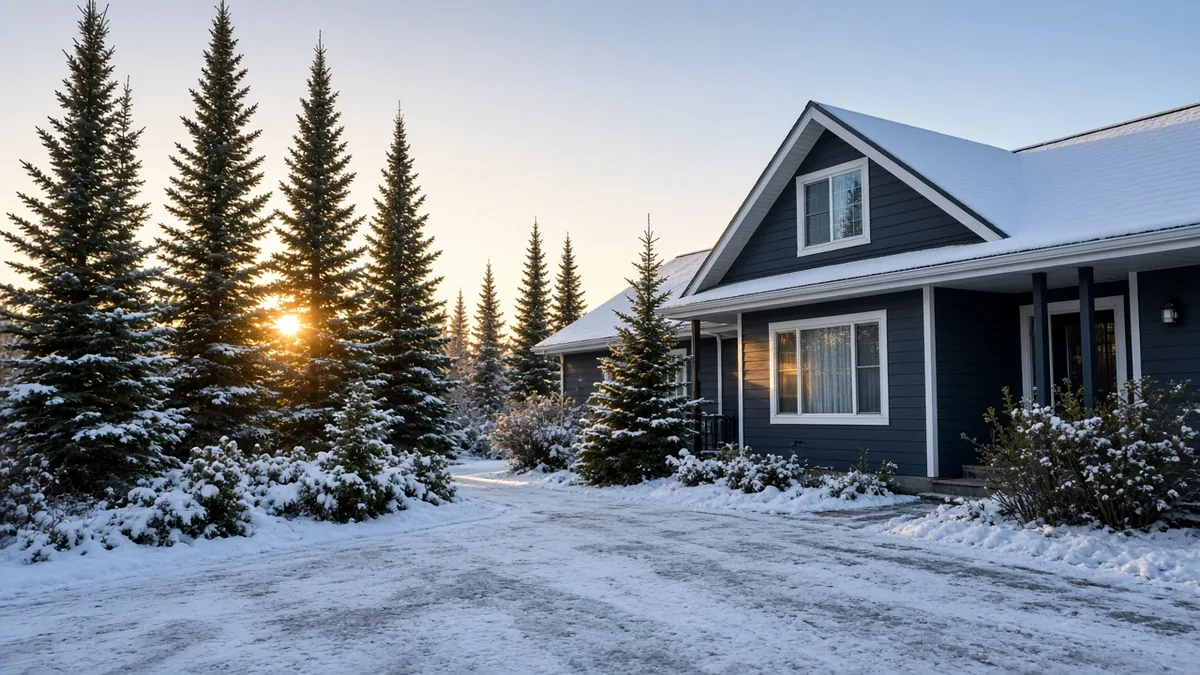
Buying Alaska property sight unseen is a purchase where the buyer has not stood on the lot before the earnest money is at risk. The buyer may be in another state, on a ship, or on a slope that will not see a commercial flight this week. The house can still be a sound buy. The file has to replace the walk the buyer did not take, and it has to do that before the contract makes the deposit hard to recover.
A video from the listing agent is a start. It is not the walk. Someone who is paid to represent the buyer, or an inspector the buyer hired, has to open the doors, run the water, and stand in the crawl space. That person reports to the buyer. The listing remarks do not.
What buying Alaska property sight unseen has to prove
The question is narrow. Can the buyer learn, from people who were physically there, the facts a local buyer would have seen on a Saturday? Those facts are the ones that change an offer: the heat source, the water source, the access in the month the buyer will actually arrive, the smell of the furnace room, and the neighbor’s snow pile on the driveway. A floor plan does not carry them.
Start with a written scope for the person walking the property. Name the rooms, the mechanicals, the attic or crawl space, the panel, the well or the water meter, and the route from the public road to the front door. Ask for photos of each item and a short note of what did not operate. A cheerful room tour that never opens the electrical panel is an incomplete report.
Do this inside the inspection period the purchase agreement actually gives you. The period is whatever the contract prints. There is no statewide number of days this page can substitute. If the contract has no inspection period, do not treat a later walk as a right you already bought.
Out-of-state buyers sometimes wire earnest money because a listing will not wait. That urgency is real in a tight week. It is still the buyer’s money. Read the clause that says when the deposit is refundable, and put the walk before that deadline. Anchorage listings move, and so do village listings. The contract language is the clock, not the listing agent’s optimism.
Who walks it
Hire the walk. A friend who “knows houses” can tell you the view is pretty. An inspector following the home inspection checklist is there to name what is worn, what is missing, and what they could not see. Ask the inspector, before they go, whether they will enter the crawl space and whether the water will be on. A winterized house with the water off cannot show a leaking supply line. Schedule the inspection for a day the systems can run, or accept that the report has a hole and write that hole into the offer.
A buyer’s agent in the town can open the house when the inspector cannot get a lockbox code. The agent is not the inspector. Use both when the contract allows both. If the only person who has been inside is the listing side, the buyer has not had an inspection. Say that plainly in the next call.
Video calls during the inspection help. The buyer can ask the inspector to turn around, open a closet, and read a data plate out loud. The call does not replace the written report. Ask for the report in writing, with photos, before you remove an inspection contingency.
For land with no house, the walk is different and often more important. The vacant land checklist covers access, septic feasibility, and whether a house site exists. A drone shot of birch trees does not show muskeg, a creek the catalog lists, or a driveway that exists only in February. Someone has to stand on the building site the buyer thinks they are buying.
Access, heat, and water
Access is the fact most videos hide. A dry road in a July listing photo can be a snow berm, a private gate, or a creek in October. Ask who plows, whether the route is public, and whether the buyer will need permission from a neighbor. If the only story is a trail, read the title commitment before the deposit goes hard. A rural property buying guide is the longer checklist. The sight-unseen version is the same checklist with a tighter clock, because the buyer cannot “just drive by tomorrow.”
Heat in Alaska is not a cosmetic line. Ask what fuels the house, whether the tank is leased, and whether the system was running on the day of the inspection. A cold house in a photo can be vacant, or it can be a boiler that has not fired. The inspector’s note is the record. The buyer’s guess from a listing photo is not.
Water is the same. A private well needs a test the buyer can read, not a sentence that says the water “tasted fine.” A community system needs the name of the system and a recent bill or a statement from the operator. If the inspection happened with the pump off, say so in the repair request. Do not invent a clean result the lab has not issued.
Septic and sewer belong in the same conversation. A house on a municipal sewer in town is a different file from a cabin on a tank that has not been pumped. Ask which one the listing is, and ask the inspector what they could actually see. A lid buried under snow is an unknown, and unknowns belong in the contingency, not in a hopeful email.
Title and the deposit
The title commitment is the other document that has to arrive while the buyer still has a choice. Read the exceptions. An access easement, a lien, or a well agreement can matter more than the paint color the video lingered on. Ask the title company which exceptions they expect to insure over and which ones they will not. Get that answer in writing.
Earnest money follows the contract. Some agreements refund it when a named contingency is used in time. Some treat it as nonrefundable on day one. The buyer who has not read that paragraph is not buying sight unseen. They are wiring blind. Have a local contact who can deliver a signed notice on the last day of a contingency if the buyer cannot be at a scanner. A late email is not a notice the contract did not allow.
Power of attorney is a separate tool, for a signing the buyer cannot attend. It is not a substitute for the inspection. Do not sign a power of attorney that also waives the inspection the buyer has not received. Read the form. Limit it to the closing documents if that is all you intend.
The loan still needs a local file
A pre-approval from a lender who has not seen Alaska property conditions is a conversation, not a commitment to buy this house. Premier Mortgage (NMLS# 1168048) can look at a purchase once the contract, the inspection, and the title describe the property. The appraisal is ordered on the house, not on the video. An appraiser who cannot enter is an appraisal that is not done.
Insurance is part of the same local file. A carrier that will not bind a vacant house, an unusual foundation, or a heating system the inspector flagged will stop a loan that the income side already passed. Ask for the insurance conversation before you waive the inspection, not after the appraisal is in.
Alaska Home HQ is educational. It is not the inspector, the title company, or the lender. Premier Mortgage (NMLS# 1168048) does not walk the property for you. The walk is yours to hire.
Thinking about a house you have only seen on a screen? A pre-approval tells you the budget before the deposit is at risk. Premier Mortgage (NMLS# 1168048) can start that file while your inspector is still writing the report.
Frequently Asked Questions
Can I buy an Alaska house without ever visiting?
Yes, if the contract, the inspection, and the title work are done by people who did visit, and if you read their reports before the deposit is hard. The purchase is still your signature. A video from the seller is not that visit.
Is a FaceTime tour with the listing agent enough?
It shows you what the listing agent points at. Hire an inspector, and stay on the call if you can. Ask for the written report before you remove an inspection contingency.
What if the house is winterized and the water is off?
The inspector cannot test what will not run. Either wait for a day the systems operate, or treat the untested systems as open items in the offer. Do not describe an untested well or boiler as inspected.
Who should hold the earnest money conversation?
Read the purchase agreement. Use the notice method it names, and send the notice before the deadline it names. A local buyer-side agent or a title office can deliver a document you cannot hand-carry. They cannot invent a refund the contract does not give you.
Does a pre-approval mean the house will pass?
A pre-approval speaks to the buyer. The appraisal, the insurance binder, and the title commitment speak to the property. All three still have to come back on this house. Premier Mortgage (NMLS# 1168048) reviews the file it receives. It does not waive an inspection you skipped.
Ready to Make Your Move?
Get pre-approved for your home loan first — it gives you a competitive edge. Need a listing agent? We can help.
Or call 9078411600 · or email contact@akhomehq.com
Disclaimer: This article is for informational purposes only and does not constitute financial, mortgage, legal, or tax advice. Interest rates, loan programs, eligibility requirements, and fees are subject to change without notice and may vary based on your individual circumstances. Alaska Home HQ is not a lender, broker, or financial institution. All loan applications are processed by Premier Mortgage (NMLS: 1168048). We may have a business relationship with Premier Mortgage and may receive compensation when you use their services through our links. Consult a licensed mortgage professional before making financial decisions. Terms of Service · Privacy Policy