Alaska Home Inspection Checklist for Buyers
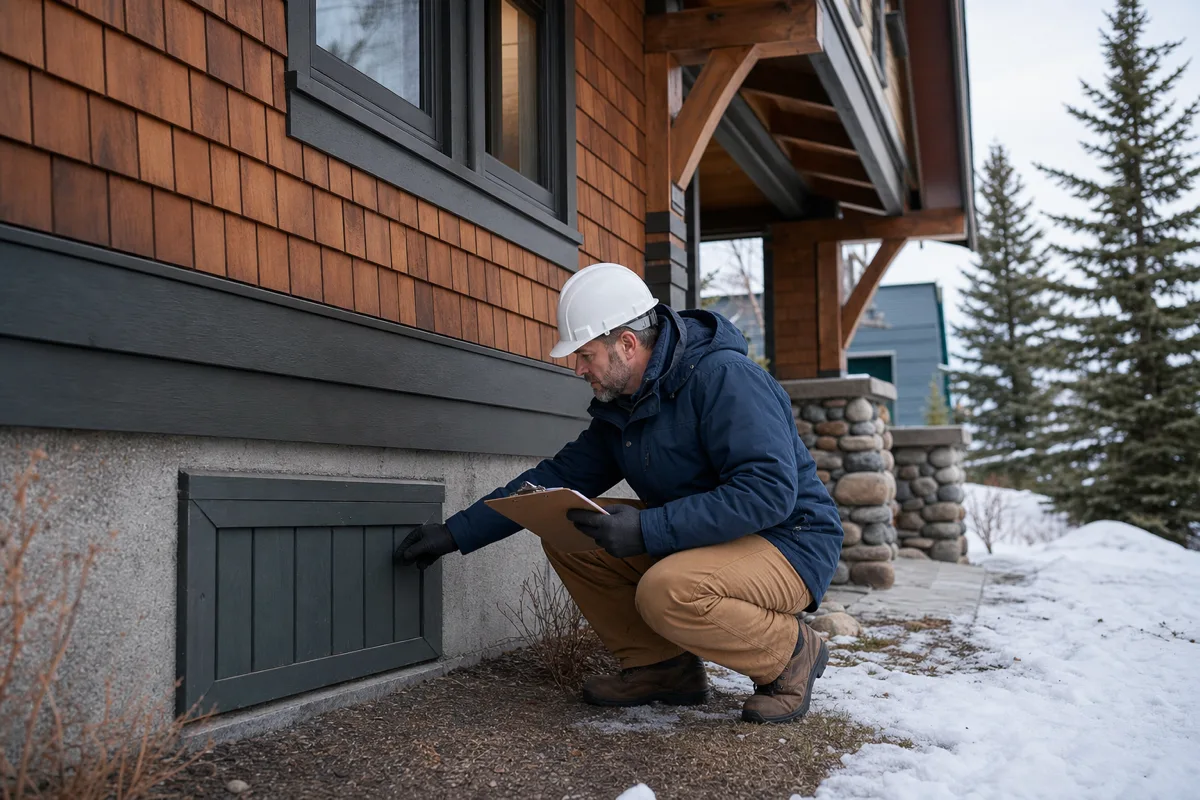
Buying a home in Alaska requires a more thorough inspection than purchasing property in most parts of the United States. Alaska’s climate, geology, and infrastructure present hazards that don’t exist in the Lower 48 — permafrost under foundations, heating systems that run nearly year-round, well and septic systems common outside urban areas, and structural requirements for heavy snow loads. A comprehensive home inspection is your best defense against costly surprises.
This checklist covers the key areas Alaska buyers should ensure are covered in their inspection and what to watch for in each.
Hire an Alaska-Experienced Inspector
General home inspectors from outside Alaska may not know what to look for with permafrost, oil heating systems, or Alaska-specific building practices. Look for inspectors who are:
- Members of InterNACHI or ASHI
- With documented Alaska-specific experience
- Familiar with permafrost areas (if applicable to your property)
- Licensed under Alaska’s home inspector licensing requirements (AS 08.18)
Foundation and Structural — Alaska-Specific Issues
Permafrost: In Fairbanks, rural Interior, and some parts of Southcentral Alaska, permafrost (permanently frozen ground) underlies many properties. If the heating of a structure causes permafrost thaw, the ground can settle unevenly — causing foundation cracking, tilting, and structural damage. Look for:
- Stair-step cracks in foundation walls
- Out-of-plumb door frames and windows that stick
- Sloping floors (particularly concerning in permafrost zones)
- Thermal piling foundations and their condition
Frost heave: Even without permafrost, Alaska’s freeze-thaw cycles cause frost heave — the upward movement of soil as water freezes below the foundation. Check for:
- Cracked or separated concrete flatwork (driveways, sidewalks, patios)
- Foundation walls that have shifted or separated
- Post footings that have heaved
Snow load structural integrity: Have the inspector specifically assess roof framing for evidence of past overloading — sagging ridgelines, bowed trusses or rafters, cracked lumber. See our guide on Alaska snow load appraisal requirements for more detail.
Roof and Attic
- Roof material age and condition (metal standing seam roofs common — look for failed seams or screws)
- Ice damming evidence (staining at eaves, water infiltration at exterior walls)
- Attic insulation adequacy — Alaska homes need R-49 to R-60+ in most climate zones
- Attic ventilation — critical for preventing ice dam formation
- Chimney and flashing condition
- Evidence of animal intrusion (squirrels, birds) — common in Alaska attics
Heating Systems — Critical in Alaska
Alaska homes that lose heat can freeze and sustain catastrophic damage within hours in winter. Inspect:
Heating oil systems (most common outside Anchorage natural gas service area):
- Age and condition of oil boiler or furnace
- Oil tank condition — look for leaks, corrosion, or abandoned tanks (an environmental liability)
- Fuel line condition and heat tape on exposed lines
- Circulator pumps and distribution system
Natural gas systems (primarily Anchorage and Mat-Su service areas):
- Furnace age, efficiency rating, and condition
- Gas line integrity
- Venting and combustion air supply
Wood and pellet stoves:
- Chimney condition (creosote buildup is a fire hazard)
- Stove clearances from combustibles
- Proper installation and permits
Heat tape on water lines: Heat tape on exposed pipes and water supply lines is critical. Inspect for condition, proper installation, and functional thermostat controls.
Boiler systems: Test zone valves, expansion tanks, and pressure relief valves. Alaska’s longer heating seasons accelerate wear on heating system components.
Plumbing
- Water source: Public water, private well, or hauled water — confirm and test accordingly
- Well condition (if applicable): Well pump age, pressure tank, water quality test results
- Drain field/septic (if applicable): Request pump records and septic inspection
- Pipe insulation: Especially in crawl spaces, garages, and unheated areas
- Freeze protection: Any pipes in unheated spaces should have heat tape or robust insulation
- Water quality: Test for bacteria, nitrates, lead, and arsenic regardless of loan type
Electrical
- Panel age and brand (Federal Pacific and Zinsco panels are flagged as safety concerns)
- Adequate service (200-amp typically required for modern Alaska homes with electric baseboards or supplemental heating)
- GFCI outlets at kitchen, bathrooms, and garage
- Smoke detectors and carbon monoxide detectors — CO detectors are critical given Alaska’s heating fuel use
- Generator hookups — common and important in rural Alaska (inspect for proper transfer switch installation)
Crawl Space and Basement
- Moisture infiltration and drainage
- Insulation condition — vapor barriers and insulation in crawl spaces degrade over time
- Pest damage (wood-boring beetles and rodents can cause significant structural damage)
- Oil tank presence (below-grade oil tanks are an environmental liability)
Windows and Exterior
- Triple-pane windows: Standard in quality Alaska construction — single or double pane is a deficiency in most climate zones
- Weatherstripping and air sealing — Alaska’s energy costs make air infiltration a significant financial issue
- Siding condition — pay attention to wood rot at bases and around windows, accelerated by heavy snow contact
- Deck and stair condition — exterior wood deteriorates faster in Alaska than in temperate climates
Garage
- Heating capability — most Alaskans heat their garage (critical for vehicle starting in cold weather)
- Slab heave from frost
- Insulation of garage walls and ceiling if garage is attached
Ready to buy your next Alaska home? Premier Mortgage (NMLS# 1168048) works with Alaska buyers to get pre-approved and ready for a successful inspection and close.
Related guides:
- Alaska Snow Load Appraisal Requirements
- Alaska Well Water Testing for Mortgage
- Alaska Home Appraisal Process
- Buying a House in Alaska
Frequently Asked Questions
What makes an Alaska home inspection different from a Lower 48 inspection?
Alaska inspectors must evaluate hazards specific to the state: permafrost and frost heave under foundations, heating systems that run nearly year-round, snow load structural adequacy, well and septic systems common outside urban areas, heat tape on plumbing, and air sealing critical to energy costs. Hire an inspector with documented Alaska experience.
How much does a home inspection cost in Alaska?
Home inspection fees in Alaska typically range from $400–$800 for a standard residential inspection. Larger homes, rural properties, or those requiring specialty inspections (structural engineer, septic, well) will cost more. Specialty inspections for well and septic systems typically run $300–$600 additional.
Should I get a separate septic inspection in Alaska?
Yes, absolutely. A general home inspector is not a licensed septic inspector. For any home on a private septic system, hire a licensed septic inspector who will physically locate and inspect the tank, distribution system, and drain field. Request pump records (tanks should be pumped every 3–5 years) and note the tank age and capacity.
What is frost heave and how does it affect Alaska homes?
Frost heave is the upward movement of soil as water within it freezes and expands below the surface. This can lift and shift foundations, crack concrete flatwork, and distort structures built without adequate frost protection. Foundations in Alaska must extend below the local frost depth (5+ feet in much of Alaska) to minimize heave. Signs include cracked or displaced concrete, sticking doors and windows, and uneven floors.
When is the best time of year to inspect an Alaska home?
Spring inspections reveal winter damage — ice dam water intrusion, frost heave, and heating system wear are most visible after a full winter season. Summer inspections allow full access to exterior areas. Avoid fall inspections when new snow covers roof and exterior. If you must buy in winter, request heating system and crawl space inspections as a priority.
Ready to Make Your Move?
Get pre-approved for your home loan first — it gives you a competitive edge. Need a listing agent? We can help.
Or call 9078411600 · or email contact@akhomehq.com
Disclaimer: This article is for informational purposes only and does not constitute financial, mortgage, legal, or tax advice. Interest rates, loan programs, eligibility requirements, and fees are subject to change without notice and may vary based on your individual circumstances. Alaska Home HQ is not a lender, broker, or financial institution. All loan applications are processed by Premier Mortgage (NMLS: 1168048). We may have a business relationship with Premier Mortgage and may receive compensation when you use their services through our links. Consult a licensed mortgage professional before making financial decisions. Terms of Service · Privacy Policy