Home Inspection Negotiation in Alaska: A Guide
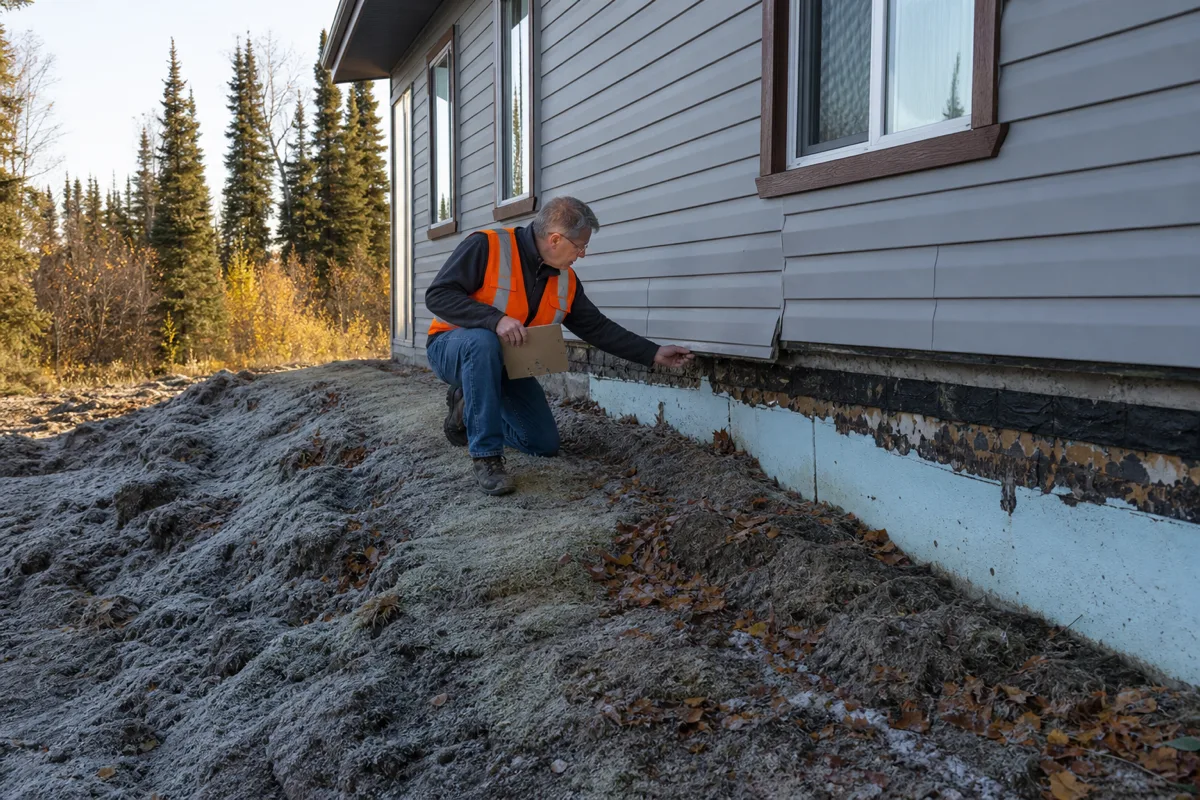
The home inspection is one of the most important steps in any Alaska home purchase — and what you do with the results may be equally important as the inspection itself. Alaska homes face environmental stresses that are genuinely different from most other states: permafrost, extreme cold, heavy snow loads, wildfire smoke, aging heating systems, and well/septic infrastructure serving properties outside municipal utilities.
Understanding how to read inspection findings, prioritize what to negotiate, and decide when to walk away are skills that serve every Alaska buyer.
The Alaska Home Inspection Landscape
Before diving into negotiation tactics, it helps to understand what distinguishes Alaska inspections from those in warmer states.
Alaska has a diverse pool of home inspectors, but quality varies — particularly in rural areas where inspection availability is limited. Look for inspectors certified through organizations like InterNACHI (International Association of Certified Home Inspectors), which provides training, standards, and a searchable directory. In Anchorage and other urban areas, you should have several certified inspectors to choose from.
Our Alaska home inspection guide covers how to hire the right inspector and what to expect during the process.
Common Alaska Inspection Findings (and How Serious Each Is)
Permafrost Heave and Foundation Issues
Severity: High
Permafrost-related foundation movement is among the most serious findings an Alaska inspector can report. Signs include:
- Sloping or uneven floors
- Doors and windows that bind or won’t close
- Diagonal cracks at corners of door frames
- Visible tipping or displacement of the structure
- Pier or footing disturbance
Not all foundation movement is active or worsening — some older Alaska homes have settled and stabilized. But distinguishing stable, historical movement from ongoing active heave requires judgment and sometimes a structural engineer’s opinion. If your inspector flags significant foundation concerns, request a structural engineering assessment as a condition of proceeding.
Negotiation approach: For significant permafrost or foundation issues, a price reduction (not a repair credit) is typically more appropriate than a seller-completed repair. Sellers are rarely positioned to properly address foundation remediation, and you want professional oversight of any work done.
Ice Dams and Roof Concerns
Severity: Moderate to High depending on extent
Ice dams form when heat escaping through a poorly insulated roof melts snow, which then refreezes at the eaves. Repeated ice damming can damage roofing, fascia, gutters, and — critically — allow water infiltration into wall and ceiling cavities that causes rot and mold.
What to look for in the inspection report:
- Evidence of water staining on attic sheathing or ceiling drywall
- Damaged or missing flashing at roof penetrations
- Compromised fascia boards
- Inadequate attic insulation depth
If active or historical ice damming is documented, evaluate the root cause: is it an insulation problem (addressable) or a roof design issue (more complex)?
Negotiation approach: Roof and ice dam remediation costs vary widely. A seller credit or price reduction to fund re-roofing or insulation upgrades is often cleaner than requesting seller-completed work.
Aging Furnaces and Heating Systems
Severity: Moderate to Critical
In Alaska, the heating system is not optional infrastructure — it is life-safety critical. An aging or deficient furnace, oil boiler, or heat system in an Anchorage, Fairbanks, or Wasilla home should always be on your negotiation list.
Common findings:
- Furnace or boiler exceeding its expected service life (typically 15–25 years depending on type and maintenance)
- Cracked heat exchanger (a serious safety concern — carbon monoxide risk)
- Non-functional backup heat sources
- Evidence of ongoing carbon monoxide issues (detector history)
- Aging oil tank or evidence of leaks
Negotiation approach: A heating system replacement ranges from roughly $5,000 to $15,000+ depending on system type and home size. This is a strong candidate for a seller credit at closing rather than a seller-completed repair — you’ll want to choose your own contractor and ensure the work is properly permitted.
Well and Septic Systems
Severity: Moderate to High
Properties outside municipal utilities — common in the Mat-Su Valley, rural Kenai Peninsula, and the Fairbanks borough outside the city core — rely on private wells and septic systems. The home inspection should include or be supplemented by:
- Well water test: Test for coliform bacteria, nitrates, and any locally relevant contaminants. Some Alaska areas have naturally elevated arsenic or other minerals.
- Well pump and pressure system inspection: Age, function, and flow rate of the pump.
- Septic system inspection: Ideally including a tank pump and examination of the leach field.
Septic repairs and replacements are expensive — a full system replacement can cost $15,000–$40,000 or more depending on site conditions. This category of finding deserves careful attention.
Negotiation approach: If a septic system is at end of life or failing, this is typically a strong candidate for price reduction or seller repair with professional oversight.
Deferred Maintenance
Severity: Generally Low to Moderate
Most inspection reports contain a long list of lower-severity items — missing GFCI outlets, weatherstripping in poor condition, minor wood rot at exterior trim, outdated plumbing fixtures, etc. These are real findings but should not trigger the same response as structural or safety-critical issues.
Approach: Resist the temptation to negotiate every item on a long deferred maintenance list. Sellers often disengage when buyers present a multi-page list of minor repairs. Focus your negotiation energy on the high-severity items and acknowledge that routine maintenance is the cost of homeownership.
Credit vs. Repair Request: Which Strategy Is Better?
One of the most important tactical decisions after an inspection is whether to request that the seller complete repairs before closing, or request a closing cost credit (or price reduction) that allows you to manage the work yourself after closing.
Requesting Seller-Completed Repairs
Advantages:
- Lender and appraiser see a completed repair on the property
- Reduces out-of-pocket at closing
Disadvantages:
- You have no control over contractor quality or scope of work
- Sellers may use the cheapest contractor available
- Re-inspection may be needed to verify adequate completion
- Delays to the closing timeline
Best suited for: Clear, permit-required deficiencies (electrical hazards, non-functional plumbing) where a specific standard of completion exists, or VA/FHA minimum property requirement items that must be resolved before the loan closes.
Requesting a Closing Cost Credit
Advantages:
- You control contractor selection and scope
- Typically faster path to close
- More flexibility on timing the repair after closing
Disadvantages:
- Lender must approve credits (most conventional loans allow up to 3% in seller credits; VA and FHA have their own limits)
- Does not improve the appraised condition of the home before closing
- Requires you to have the liquidity and organization to manage repairs post-close
Best suited for: Cosmetic or deferred maintenance items, aging-but-functional systems, and situations where you have a preferred contractor relationship.
Price Reduction
A straight price reduction is often the cleanest approach for significant, uncertain-cost findings like foundation issues, septic system end-of-life, or whole-house re-roofing. It reduces your loan amount, slightly lowers your monthly payment, and places the repair funding in your hands.
Note: Lenders will not allow price reductions to be structured as informal credits or side agreements — any reduction must be reflected in the official purchase and sale agreement.
How to Prioritize Your Inspection Findings
A practical hierarchy for Alaska inspection findings:
- Safety-critical issues: Gas leaks, carbon monoxide risks, electrical panel hazards, structural failures. Non-negotiable — require resolution.
- Loan eligibility issues: VA and FHA loans have MPRs. Findings that would trigger MPR failures must be addressed for the loan to close.
- High-cost findings with clear scope: Roof replacement, heating system replacement, septic system failure. Strong negotiation candidates.
- High-cost findings with uncertain scope: Foundation issues, permafrost movement, suspected mold behind walls. Request professional assessment before finalizing negotiation position.
- Deferred maintenance: Address selectively — focus on items that are either truly dangerous or unusually expensive. Don’t overwhelm sellers with low-priority demands.
The Seller’s Perspective
Understanding how sellers think about inspection negotiations may help you calibrate your approach.
Sellers in Alaska — especially in competitive Anchorage neighborhoods or well-priced Mat-Su Valley listings — are aware that their home will likely be purchased by someone. They’re evaluating not just whether to accept your demands but whether the next buyer will also find the same issues (they will) and whether negotiating with you is more efficient than resetting to a new buyer.
A focused, prioritized inspection request (3–5 major items with cost estimates) is far more likely to result in constructive negotiation than a comprehensive 25-item demand list.
Walk away signals: Consider terminating the transaction if: (1) safety-critical issues go unaddressed; (2) foundation or structural findings exceed what your budget can absorb; (3) the seller responds to reasonable requests with total refusal and zero accommodation; or (4) you discover undisclosed material defects that change your fundamental assessment of the property.
You can learn more about the full home buying process in Alaska in our comprehensive guide to buying a house in Alaska.
Winter Inspection Limitations in Alaska
If you’re buying in winter — particularly in Fairbanks or rural areas — be aware that some inspection elements are simply not visible:
- Roof condition under snow cover
- Drainage and grade around the foundation (under snow and frozen ground)
- Moisture intrusion patterns that only appear during snowmelt
Document the inspection limitations in your offer contingency and, if possible, negotiate a right to a limited follow-up inspection for specific items after snowmelt.
Financing After Inspection Negotiations
If your negotiated credit or price reduction changes the purchase price or loan amount, notify your lender promptly — amendments to the purchase and sale agreement must be communicated before closing. Changes to seller credits may also require a lender to rerun approval numbers.
Premier Mortgage (NMLS# 1168048) helps Anchorage and Alaska homebuyers navigate the financing side of home purchases from pre-approval through closing.
Connect with Premier Mortgage (NMLS# 1168048)
Frequently Asked Questions
Do I need a specialized inspector in Alaska? Yes — Alaska’s unique environmental conditions mean general inspection competence is not sufficient. Look for inspectors with demonstrated experience in Alaska properties, particularly for issues like permafrost foundations, extreme-cold heating systems, and rural well/septic infrastructure. InterNACHI-certified inspectors (nachi.org) provide a baseline of professional standards and a searchable directory.
Can the seller simply refuse to negotiate after inspection? Yes — sellers can decline to make repairs, offer credits, or reduce the price. In that case, you must decide whether to proceed with the home as-is, or exercise your inspection contingency to exit the contract and recover your earnest money. Most purchase and sale agreements in Alaska include an inspection contingency window for exactly this scenario — confirm the terms and deadlines in your contract.
How do VA and FHA loans affect inspection negotiations? VA and FHA loans require properties to meet Minimum Property Requirements (MPRs). If a VA or FHA appraiser independently identifies a condition that fails MPR standards, it must be corrected before closing — regardless of what was negotiated in your inspection request. This can create situations where a seller must make repairs they had declined during the inspection negotiation phase. Understanding this dynamic early may help set realistic expectations.
Should I attend my own home inspection? Absolutely. Being present during the inspection allows you to ask questions in real time, see issues firsthand, and understand the inspector’s reasoning. The written report is valuable, but there is no substitute for standing next to the inspector when they identify a cracked heat exchanger or a moving foundation pier.
What’s a reasonable inspection contingency period in Alaska? Inspection contingency periods in Alaska typically range from 7 to 14 days from mutual acceptance of the offer. In competitive markets like Anchorage, buyers sometimes shorten this window to 7–10 days to be competitive. Make sure the timeline is realistic given inspector availability and the complexity of the property.
Ready to Make Your Move?
Get pre-approved for your home loan first — it gives you a competitive edge. Need a listing agent? We can help.
Or call 9078411600 · or email contact@akhomehq.com
Disclaimer: This article is for informational purposes only and does not constitute financial, mortgage, legal, or tax advice. Interest rates, loan programs, eligibility requirements, and fees are subject to change without notice and may vary based on your individual circumstances. Alaska Home HQ is not a lender, broker, or financial institution. All loan applications are processed by Premier Mortgage (NMLS: 1168048). We may have a business relationship with Premier Mortgage and may receive compensation when you use their services through our links. Consult a licensed mortgage professional before making financial decisions. Terms of Service · Privacy Policy