Alaska Home Inspection: What Buyers Need to Know
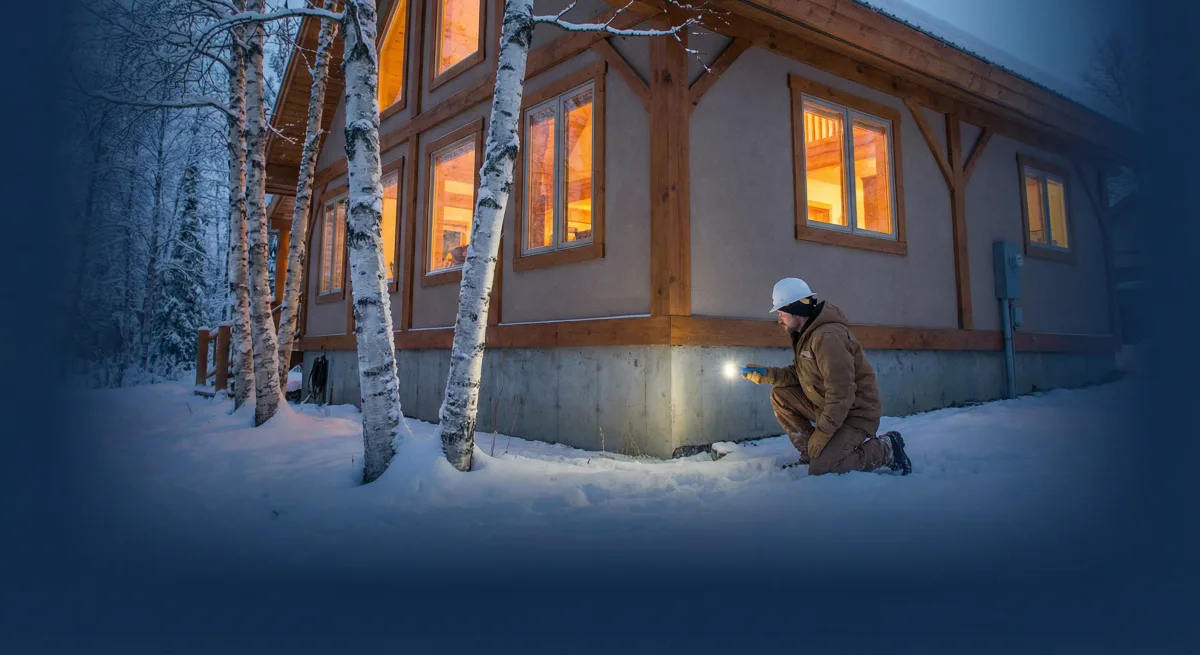
Alaska Home Inspection: What Buyers Need to Know
A home inspection is one of the most important steps in buying a home anywhere — but in Alaska, the stakes may be even higher. The state’s extreme climate, unique construction challenges, and specialized systems (wells, septic, fuel tanks) mean there’s more to evaluate and more that can go wrong if problems are missed.
Whether you’re buying your first home in Soldotna or your fifth in Anchorage, understanding what an Alaska home inspection covers — and what additional inspections you might need — can protect you from costly surprises and give you the information needed to make a confident purchase decision.
What Is a Home Inspection?
A home inspection is a visual examination of a property’s accessible systems and components, performed by a trained inspector. The inspector evaluates the condition of the home and identifies defects, safety concerns, and maintenance issues, then provides a written report with findings.
What an inspection is:
- A snapshot of the home’s condition at the time of inspection
- An educational opportunity to learn about the property’s systems
- A basis for repair negotiations or further investigation
- A tool for informed decision-making
What an inspection is NOT:
- A pass/fail test
- A guarantee against future problems
- A code compliance inspection
- An appraisal of value
What Alaska Home Inspectors Check
A standard home inspection covers major systems and components. In Alaska, inspectors pay particular attention to climate-related issues.
Exterior
- Roof: Condition of roofing materials, flashing, valleys, and penetrations. Alaska’s heavy snow loads and freeze-thaw cycles take a toll on roofs.
- Siding and trim: Condition, moisture damage, and paint/stain integrity.
- Foundation: Visible cracks, settlement, frost heave damage, and drainage around the perimeter.
- Grading and drainage: Proper slope away from the foundation to prevent water intrusion.
- Decks and porches: Structural integrity, railings, and attachment to the house.
- Driveways and walkways: Condition and drainage.
Structural Systems
- Foundation type: Slab, crawl space, basement, or post-and-pad — each has Alaska-specific considerations.
- Floor framing: Level, structurally sound, and free from moisture damage.
- Wall structure: Plumb, free from significant cracking or movement.
- Roof structure: Rafters or trusses in good condition, no sagging, adequate for snow load.
Heating System
Heating is the most critical system in an Alaska home. Inspectors evaluate:
- System type: Forced air, hydronic (boiler), in-floor radiant, wood/pellet stove, heat pump, or combination
- Age and condition: Life expectancy varies by system type
- Fuel source: Natural gas, heating oil, propane, electric, or wood
- Distribution: Ductwork, baseboard heaters, or radiant tubing condition
- Thermostat controls: Proper operation and zoning
- Ventilation: Combustion air supply and exhaust venting
- Carbon monoxide safety: Detectors present and functional
Plumbing
- Water supply: Piping material, condition, and water pressure
- Drain lines: Proper slope, condition, and signs of backup
- Water heater: Age, condition, safety relief valve, and seismic strapping
- Fixtures: Sinks, toilets, tubs, and showers — functional operation
- Freeze protection: Heat tape, insulation, and pipe routing in exterior walls or crawl spaces
Electrical
- Service panel: Capacity (100, 150, or 200 amp), condition, proper wiring
- Wiring type: Romex, aluminum (a concern in some older homes), or knob-and-tube
- GFCI protection: Required in bathrooms, kitchens, garages, and exterior outlets
- AFCI protection: Required in bedrooms and living areas in newer homes
- Outlets and switches: Proper operation, polarity, and grounding
- Smoke and CO detectors: Present, functional, and properly located
Insulation and Ventilation
Energy efficiency is paramount in Alaska. Inspectors look at:
- Attic insulation: Type, depth, and condition — R-49 or higher is recommended for Alaska
- Wall insulation: Presence and apparent condition (limited visibility)
- Vapor barriers: Proper installation to prevent moisture migration
- Attic ventilation: Adequate intake and exhaust to prevent ice dams and moisture buildup
- Crawl space ventilation: Proper moisture management
Interior
- Walls and ceilings: Cracks, stains, signs of moisture or structural movement
- Floors: Level, condition, and any signs of settlement
- Windows and doors: Operation, sealing, condensation, and glazing type
- Stairs and railings: Safety and structural integrity
- Garage: Fire separation from living space, door operation, and proper ventilation
Alaska-Specific Inspection Issues
Beyond the standard inspection, Alaska homes present unique challenges that warrant special attention.
Permafrost and Foundation Movement
In areas with permafrost (primarily Interior Alaska but possible in other regions), the foundation system is critical. Signs of permafrost-related issues include:
- Uneven floors or doors that don’t close properly
- Cracks in foundation walls or floors
- Gaps between walls and ceilings or floors
- Exterior settling or heaving
- Adjustable foundation posts (these indicate the home was designed to accommodate ground movement)
For a detailed look at this topic, see our guide on foundations and permafrost in Alaska.
Ice Dams
Ice dams form when heat escaping through the roof melts snow, which refreezes at the eaves. Signs include:
- Water stains on interior ceilings or walls near exterior walls
- Damaged or missing shingles at the roof edge
- Excessive icicle formation
- Ice buildup in gutters
- Evidence of roof membrane or ice-and-water shield installation
Proper insulation, air sealing, and attic ventilation are the best defenses against ice dams.
Fuel Storage Tanks
Many Alaska homes use heating oil stored in exterior or interior tanks. Inspectors should evaluate:
- Tank condition: Rust, leaks, and structural integrity
- Tank age: Steel tanks typically last 15-25 years; fiberglass or double-wall tanks may last longer
- Fuel lines: Condition and routing from tank to heating system
- Containment: Secondary containment (double-wall tank or catch basin) to prevent soil contamination
- Fill and vent pipes: Proper installation and condition
- Tank location: Accessibility for delivery and compliance with setback requirements
Environmental concern: Leaking fuel tanks can contaminate soil and groundwater, potentially creating expensive cleanup obligations for the property owner. If a tank shows signs of age or leaking, further environmental investigation may be warranted.
Well Water Systems
Many Alaska homes outside municipal water service rely on private wells. Well inspection typically includes:
- Water quality testing: Coliform bacteria, nitrates, and potentially arsenic, iron, manganese, or other contaminants common in Alaska groundwater
- Flow rate testing: Gallons per minute the well can sustainably produce
- Well casing and cap: Condition and proper sealing
- Pressure tank and pump: Age, condition, and proper operation
- Water treatment: Existing filtration or treatment systems
Well water testing is typically a separate service from the general home inspection and may be required by your lender.
Septic Systems
Properties not connected to municipal sewer use private septic systems. Evaluation should cover:
- System type: Conventional, mound, or engineered system
- Tank condition: Pumping history, structural integrity
- Drain field condition: Signs of failure (surfacing effluent, soggy areas, odors)
- System age: Typical lifespan is 20-30 years with proper maintenance
- Capacity: Appropriate for the number of bedrooms and occupants
- Permafrost impact: Frozen ground can affect drain field performance
For comprehensive information, review our guide on septic systems in Alaska homes.
Radon
Radon — a naturally occurring radioactive gas — is present in many Alaska soils. The EPA recommends testing all homes for radon, and elevated levels have been found throughout Alaska. Radon testing is typically a 48-72 hour test and may be performed by the home inspector or a separate specialist.
If radon levels exceed 4.0 pCi/L (the EPA action level), mitigation systems can reduce concentrations effectively, typically costing $800-$2,500.
Additional Inspections to Consider
Beyond the general inspection, Alaska homebuyers may want to arrange specialized evaluations:
| Inspection Type | Approximate Cost | When to Consider |
|---|---|---|
| Well water test | $100-$400 | Any property with a well |
| Septic inspection | $300-$600 | Any property with septic |
| Radon test | $150-$300 | All Alaska homes |
| Sewer scope | $200-$400 | Older homes with municipal sewer |
| Mold inspection | $300-$700 | Signs of moisture or musty odors |
| Structural engineer | $400-$800+ | Foundation concerns or unusual movement |
| Energy audit | $300-$600 | Older homes or high energy costs |
| Environmental (fuel tanks) | $500-$2,000+ | Aging fuel tanks or known contamination |
Home Inspection Costs in Alaska
General home inspection costs in Alaska typically range from:
- Small home (under 1,500 sq ft): $350-$500
- Average home (1,500-2,500 sq ft): $450-$650
- Large home (2,500+ sq ft): $550-$800+
- Remote locations: May include travel surcharges
Prices vary by community, inspector experience, and home size/complexity. Getting quotes from multiple qualified inspectors is recommended.
Choosing an Inspector
Qualifications to Look For
- Certification: ASHI (American Society of Home Inspectors), InterNACHI, or equivalent professional certification
- Alaska experience: Understanding of Alaska-specific construction, climate, and systems
- Insurance: Errors and omissions (E&O) insurance
- Sample report: Review a sample report to evaluate thoroughness and clarity
- References: Ask for references from prior clients or real estate agents
Questions to Ask
- How many Alaska home inspections have you performed?
- What does your standard inspection cover?
- How long will the inspection take?
- Can I attend the inspection?
- When will I receive the report?
- Do you offer additional services (radon, well, sewer scope)?
- What is your experience with [specific system type — e.g., boiler, well, septic]?
Attending the Inspection
Whenever possible, attend your home inspection. Walking through the property with the inspector provides:
- Visual context for written report findings
- Opportunity to ask questions about systems and maintenance
- Understanding of maintenance needs and priorities
- Direct observation of any concerns in real time
Plan to spend 2-4 hours at the inspection, depending on home size and complexity.
After the Inspection: Negotiation
The inspection report becomes a negotiation tool. In Alaska, common approaches include:
Request Repairs
Ask the seller to complete specific repairs before closing. This works best for:
- Safety issues (electrical hazards, CO risk)
- Major system failures (heating, plumbing)
- Structural concerns
Request Credits
Ask for a price reduction or closing cost credit to account for needed repairs you’ll handle after purchase. This may be preferable when:
- You want to choose your own contractor
- Multiple smaller repairs are needed
- The seller doesn’t want to manage repairs
Accept As-Is
If the inspection reveals issues you’re comfortable handling, you may proceed without requesting concessions — particularly in competitive markets.
Walk Away
If the inspection reveals significant problems — major foundation issues, extensive mold, environmental contamination, or costs beyond your budget — you have the right to terminate the purchase agreement during the inspection contingency period.
Your Guide to Buying in Alaska
A thorough home inspection is one of the most valuable investments in the homebuying process. In Alaska’s climate, where heating systems, foundations, and weatherization carry extra weight, the information an inspection provides can protect you from costly surprises.
For a complete walkthrough of the buying process, explore our guide to buying a house in Alaska.
Start Your Alaska Home Search →
Frequently Asked Questions
How much does a home inspection cost in Alaska?
A general home inspection in Alaska typically costs $350-$800, depending on home size, location, and complexity. Additional specialized inspections (well water, septic, radon, sewer scope) add $100-$600 each. While the combined cost may seem significant, it’s a modest investment compared to the potential cost of discovering major problems after closing.
How long does an Alaska home inspection take?
A typical inspection takes 2-4 hours for an average-sized home. Larger homes, older properties, or homes with complex systems (well, septic, multiple heating zones) may take longer. Plan to be present for the full inspection if possible, as the walkthrough with the inspector is invaluable.
What are the most common problems found in Alaska home inspections?
Common findings in Alaska inspections include ice dam damage, inadequate insulation, aging heating systems (particularly oil boilers), moisture and ventilation issues in crawl spaces and attics, drainage problems around foundations, aging fuel storage tanks, and deferred exterior maintenance from harsh weather exposure.
Should I get a home inspection on new construction?
Yes. Even new construction can have defects — improper installation, code violations, or items missed during municipal inspections. A third-party home inspection before your final walkthrough provides independent verification that the home was built correctly. This is particularly valuable in Alaska where specialized cold-climate construction practices are essential.
Can I use the inspection to back out of a purchase?
If your purchase agreement includes an inspection contingency (which is standard practice in Alaska), you typically have a specified period to complete the inspection and either negotiate repairs, request credits, or terminate the agreement. If you choose to terminate within the contingency period, you can generally recover your earnest money deposit. Review your specific contract terms with your real estate agent.
Ready to Make Your Move?
Get pre-approved for your home loan first — it gives you a competitive edge. Need a listing agent? We can help.
Or call 9078411600 · or email contact@akhomehq.com
Disclaimer: This article is for informational purposes only and does not constitute financial, mortgage, legal, or tax advice. Interest rates, loan programs, eligibility requirements, and fees are subject to change without notice and may vary based on your individual circumstances. Alaska Home HQ is not a lender, broker, or financial institution. All loan applications are processed by Premier Mortgage (NMLS: 1168048). We may have a business relationship with Premier Mortgage and may receive compensation when you use their services through our links. Consult a licensed mortgage professional before making financial decisions. Terms of Service · Privacy Policy