Interior Alaska Real Estate: Buyer's Guide
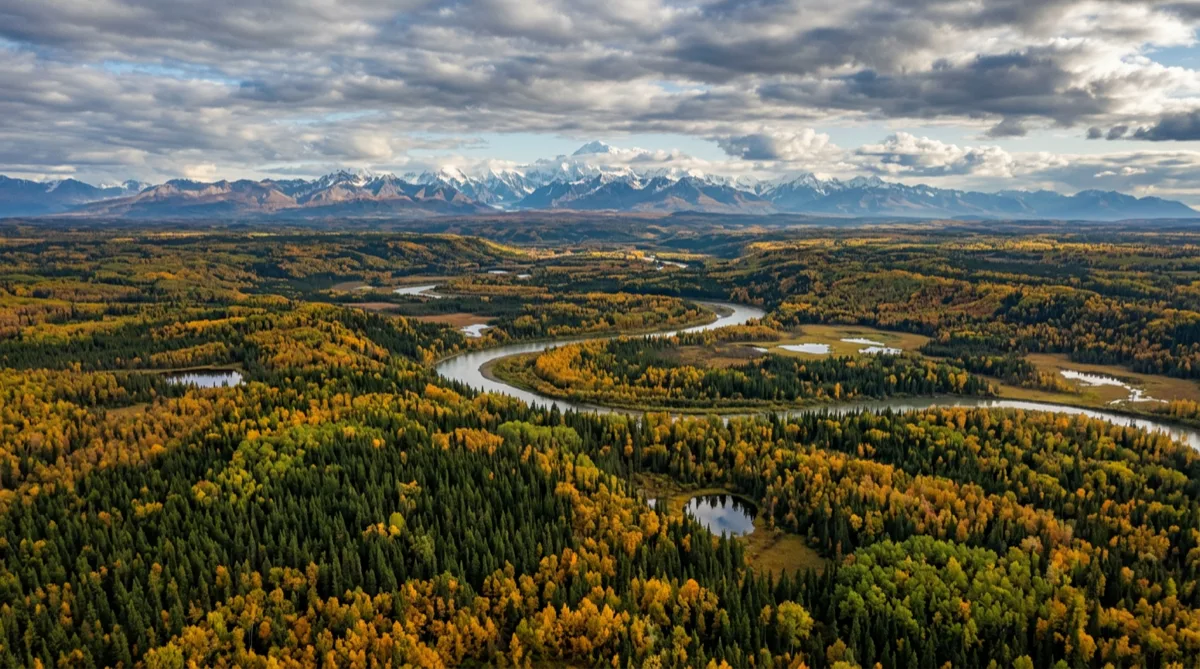
Interior Alaska real estate offers something increasingly rare in the United States: genuine affordability, vast open land, and a frontier lifestyle that has defined Alaskans for generations. The Fairbanks region — including North Pole, Salcha, Nenana, Delta Junction, and the surrounding communities — forms the core of Interior Alaska’s residential market and offers a compelling case for buyers willing to embrace extreme cold, dark winters, and genuine self-reliance.
This guide covers the full Interior Alaska real estate landscape: where buyers are looking, what homes cost, how extreme cold affects your purchase decisions, and how to finance a home in the region.
Interior Alaska: The Region
Interior Alaska stretches across the heart of the state, bordered roughly by the Alaska Range to the south, the Brooks Range to the north, and extending from the Canadian border west toward the Yukon. For real estate purposes, the primary market centers on:
Fairbanks: Alaska’s second-largest city, home to the University of Alaska Fairbanks (UAF), Fort Wainwright Army Base, Eielson Air Force Base (about 26 miles east), and a diverse economy. See our dedicated Fairbanks Real Estate: Buyer’s Guide for city-specific detail.
North Pole: A suburban community about 14 miles southeast of Fairbanks. Popular with Eielson AFB military families due to proximity and affordable lot sizes. Home of the famous North Pole, Alaska zip code (99705).
Salcha and Moose Creek: Rural communities along the Richardson Highway corridor between Fairbanks and Eielson. Larger lots, rural setting, modest prices.
Nenana: A small town at the confluence of the Tanana and Nenana Rivers, about 55 miles southwest of Fairbanks. Famous for the Nenana Ice Classic. Very affordable. Population about 400.
Delta Junction: The eastern end of the Alaska Highway, about 98 miles southeast of Fairbanks. Agricultural Alaska — large parcels, farming operations, and a mix of permanent residents and military families from nearby Fort Greely (Missile Defense site).
Two Rivers and Pleasant Valley: Rural areas east of Fairbanks with large lot subdivisions, popular with mushing enthusiasts and those wanting acreage within commuting distance of the city.
Home Prices Across Interior Alaska
Interior Alaska offers some of the most affordable homeownership in the state:
| Area | Entry-Level | Mid-Range | Upper Range |
|---|---|---|---|
| Fairbanks (city) | $180,000–$250,000 | $250,000–$380,000 | $380,000+ |
| North Pole | $220,000–$280,000 | $280,000–$380,000 | $380,000+ |
| Salcha/Moose Creek | $160,000–$230,000 | $230,000–$320,000 | $320,000+ |
| Nenana | $100,000–$180,000 | $180,000–$250,000 | Rare |
| Delta Junction | $130,000–$200,000 | $200,000–$280,000 | $280,000+ |
| Two Rivers | $200,000–$300,000 | $300,000–$420,000 | $420,000+ |
These prices reflect both the genuine affordability of Interior Alaska and the military buyer demand (particularly from Eielson and Fort Wainwright families) that supports the mid-range market.
Buying in Extreme Cold: What You Must Know
Interior Alaska is not for the unprepared. Fairbanks regularly records temperatures below -40°F and occasionally below -60°F. Your home inspection and due diligence priorities are different here than anywhere else in the United States.
Heating Systems — Priority #1
Your heating system is not a convenience in Interior Alaska — it’s a life-safety system. Inspection priorities:
- Fuel oil systems — most common in Fairbanks. Inspect the tank for age (steel tanks rust and fail), size (adequate fuel storage for extended cold spells), and line condition.
- Natural gas — available in Fairbanks proper. More price-stable than heating oil historically.
- Electric heat — expensive and impractical as primary heat in the Interior due to -40°F+ winters and Fairbanks’ higher electricity rates.
- Wood stove / wood boiler backup — common and highly valued. Verify proper installation, clearances, and chimney condition.
- Boiler vs forced air — both work. Boiler systems (radiant heat) tend to be preferred by experienced Interior homeowners for efficiency and even heat distribution.
Ask sellers for recent fuel bills — they reveal system efficiency and home insulation quality better than any inspection report.
Foundation Types
Interior Alaska’s deep permafrost (in some areas) and extreme frost heave forces create unique foundation considerations:
- Slab on grade — common and functional if the slab is properly insulated. Watch for frost heave cracks.
- Crawl space — must be adequately heated in winter to prevent frozen pipes. Poorly maintained crawl spaces are a major source of problems.
- Full basement — common in older Fairbanks homes. Inspect carefully for moisture, settling, and evidence of freeze-thaw damage.
- Pilings/posts — used where permafrost exists. Requires specific structural understanding.
Pipes and Plumbing
Frozen pipes are a genuine winter event in Interior Alaska — even in occupied homes during extreme cold snaps. Look for:
- Plumbing location (exterior walls with inadequate insulation are risk areas)
- Heat tape on exposed pipes
- History of frozen pipe incidents (ask directly — sellers must disclose known material defects)
- Skirting on manufactured homes (inadequate skirting = frozen pipes)
Insulation and Air Sealing
Heating costs in Interior Alaska are substantial. An Energy Audit (through AHFC’s rebate program) can reveal insulation deficiencies. A well-insulated Fairbanks home might spend $3,000–$4,500/year on heating fuel; a poorly insulated one can spend $6,000–$9,000+.
For energy efficiency rebates: AHFC Energy Efficiency Rebates in Alaska
Financing Interior Alaska Real Estate
Interior Alaska’s wide geographic spread means some properties qualify for USDA Rural Development (rural areas outside city limits), while urban Fairbanks properties are limited to FHA, VA, and conventional.
VA Loans: The strongest product for the large military buyer population. Fort Wainwright and Eielson AFB families drive significant VA purchase volume in the North Pole and Fairbanks market. Zero down, no PMI, and Alaska’s high conforming limit make VA very powerful here.
FHA Loans: Alaska’s $557,750 FHA limit works well across all Interior price points. Well and septic inspections are routine in rural areas. FHA heating system requirements are easily met.
USDA Rural Development: Rural communities (Salcha, Nenana, Delta Junction, Moose Creek, Two Rivers) may qualify for zero-down USDA loans. Verify property address eligibility before assuming qualification.
AHFC Programs: Available statewide. Below-market AHFC rates provide real savings over 30 years in Fairbanks.
Conventional: Most flexible for well-qualified buyers. Alaska’s $1,249,125 conforming limit handles the entire Interior market.
Ready to explore Interior Alaska homes? Get a free mortgage quote from Premier Mortgage (NMLS# 1168048).
Frequently Asked Questions
What are the most affordable places to buy a home in Interior Alaska?
Nenana offers the lowest prices, followed by rural areas around Delta Junction and Salcha. North Pole and Fairbanks proper are priced higher due to proximity to military bases and UAF. Two Rivers commands a premium for large lot country living within reasonable commuting distance of Fairbanks.
How do extreme temperatures affect homeownership in Interior Alaska?
Interior Alaska requires higher-than-average attention to heating systems, insulation, and frozen-pipe risk. Annual heating costs of $3,000–$6,000+ are typical. Buyers should inspect heating systems carefully, ask for fuel records, and budget for ongoing energy costs. These factors are manageable for prepared buyers but can be costly surprises for those who underestimate them.
Can I get a USDA loan for a property near Fairbanks?
USDA Rural Development loans are available in qualifying rural areas around Fairbanks — including some properties in Salcha, Moose Creek, Nenana, and Delta Junction. Properties within Fairbanks city limits typically do not qualify due to population size. Verify each specific property address on the USDA eligibility website.
What is unique about Interior Alaska property inspections?
Interior Alaska inspections should prioritize: heating system age and condition, fuel tank integrity, foundation type and frost heave evidence, pipe insulation and heat tape, crawl space condition, and overall air sealing quality. Standard national home inspection templates miss these Alaska-specific issues. Work with an inspector who has specific Interior Alaska residential experience.
Is it a good time to buy in Interior Alaska?
Interior Alaska has stable long-term demand driven by UAF, two major military bases, and a resilient regional economy. Prices are affordable relative to coastal Alaska. The main risk factors are energy cost volatility and the long-term trend of population leaving smaller rural communities. Fairbanks itself has maintained population stability. For buyers who want affordable Alaska living and can manage extreme cold, the current market offers good value.
Ready to Make Your Move?
Get pre-approved for your home loan first — it gives you a competitive edge. Need a listing agent? We can help.
Or call 9078411600 · or email contact@akhomehq.com
Disclaimer: This article is for informational purposes only and does not constitute financial, mortgage, legal, or tax advice. Interest rates, loan programs, eligibility requirements, and fees are subject to change without notice and may vary based on your individual circumstances. Alaska Home HQ is not a lender, broker, or financial institution. All loan applications are processed by Premier Mortgage (NMLS: 1168048). We may have a business relationship with Premier Mortgage and may receive compensation when you use their services through our links. Consult a licensed mortgage professional before making financial decisions. Terms of Service · Privacy Policy