Juneau Real Estate: Buyer's Guide for 2026
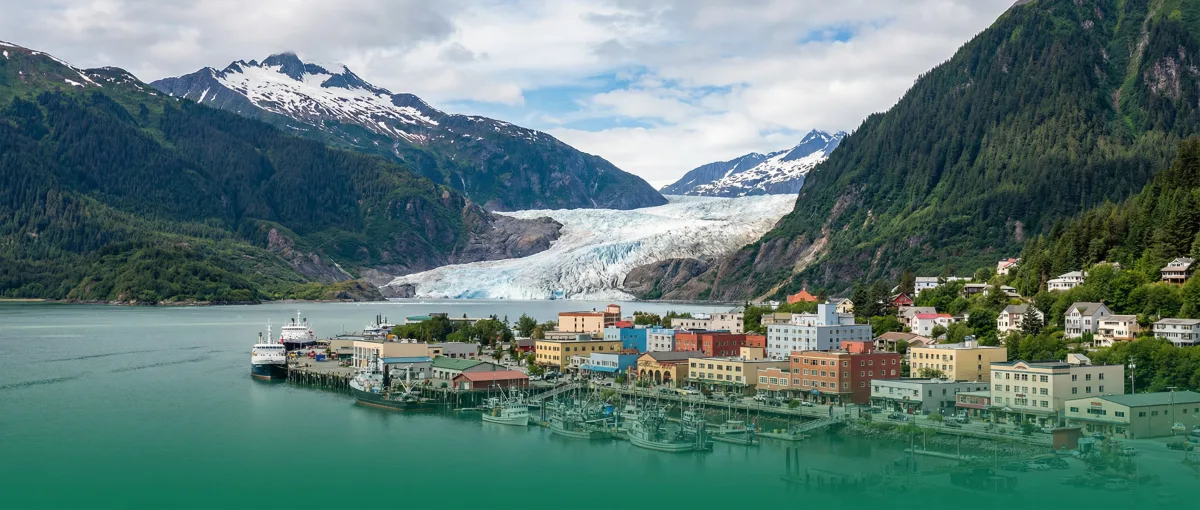
Juneau Real Estate: Buyer’s Guide for 2026
Nestled between the Gastineau Channel and towering mountains, Juneau is one of the most uniquely situated capital cities in the United States. With no road connections to the rest of Alaska, a housing market shaped by government employment, and some of the most stunning natural beauty in the state, buying a home here is an experience unlike any other.
Whether you’re relocating for work, drawn to Southeast Alaska’s lifestyle, or looking for a long-term investment, this guide covers everything you need to know about the Juneau real estate market in 2026.
Why People Choose Juneau
Juneau offers a combination of advantages that attract residents from across Alaska and the Lower 48:
- State government hub: As Alaska’s capital, Juneau is the center of state government employment, providing stable jobs with competitive benefits
- Natural beauty: Surrounded by the Tongass National Forest, Mendenhall Glacier, and the Inside Passage
- Outdoor recreation: World-class hiking, fishing, whale watching, kayaking, and skiing at Eaglecrest
- Mild (for Alaska) winters: Southeast Alaska’s maritime climate brings milder temperatures than Interior or Southcentral Alaska, though with significant rainfall
- Tight-knit community: With approximately 32,000 residents, Juneau offers a small-city feel with access to arts, dining, and cultural events
Juneau’s Housing Market Overview
The Juneau real estate market has characteristics that set it apart from other Alaska cities. Limited buildable land — hemmed in by mountains, glaciers, and water — creates natural constraints on housing supply.
Market Conditions in 2026
As of early 2026, the Juneau housing market reflects several key trends:
- Median home price: Approximately $420,000-$460,000, which is above the statewide median
- Inventory: Typically limited, with homes in desirable neighborhoods selling within 30-60 days
- New construction: Constrained by geography and permitting, keeping supply tight
- Rental market: Strong demand due to seasonal legislative staff and tourism workers
Government employment provides a stabilizing influence on the market. Unlike communities dependent on oil, fishing, or military presence, Juneau’s economy remains relatively consistent year to year, which tends to support steady property values.
Juneau Neighborhoods: Where to Buy
Downtown Juneau
Downtown is the historic heart of the city, with a mix of older homes, condominiums, and some newer developments. Properties here offer walkability to shops, restaurants, the State Capitol, and the waterfront.
What to expect:
- Older homes from the early to mid-1900s, many with character but potentially needing updates
- Condos and townhomes in the $250,000-$400,000 range
- Single-family homes from $350,000 to $600,000+
- Steep hillside lots with water and mountain views
- Limited parking and narrow streets
- Walking distance to government offices and cruise ship docks
Downtown appeals to those who value convenience and a walkable lifestyle. Keep in mind that summer cruise ship traffic can bring significant foot traffic to the area.
Mendenhall Valley
The Mendenhall Valley is Juneau’s largest residential area and the suburb most similar to what you’d find in Anchorage or the Mat-Su Valley. It’s where you’ll find the majority of Juneau’s commercial services, schools, and family-friendly neighborhoods.
What to expect:
- Newer construction compared to downtown, with many homes built from the 1970s onward
- Single-family homes typically ranging from $350,000 to $550,000
- Access to Mendenhall Glacier Recreation Area
- Juneau’s primary shopping centers and services
- Proximity to Juneau-Douglas High School and several elementary schools
- More level terrain and larger lots than downtown
The Valley is Juneau’s most popular area for families and offers the broadest selection of housing types and price points.
Douglas Island
Connected to Juneau by the Douglas Bridge, Douglas Island offers a quieter alternative to the main city. The small community of Douglas has its own charming downtown area with local businesses and a strong neighborhood identity.
What to expect:
- Mix of older homes and some newer construction
- Generally lower prices than comparable properties in the Valley or downtown
- Single-family homes from $300,000 to $500,000
- Sandy Beach Recreation Area and trails
- Eaglecrest Ski Area access
- A 5-10 minute drive to downtown Juneau
- Strong sense of community among residents
Douglas appeals to buyers looking for more affordable options or those who prefer a slightly more removed, quieter setting while remaining close to everything Juneau offers.
Auke Bay
Located about 12 miles north of downtown, Auke Bay is the site of the Alaska Marine Highway ferry terminal and the University of Alaska Southeast campus. This area has seen increasing development and offers a mix of waterfront and wooded properties.
What to expect:
- Proximity to the ferry terminal and UAS campus
- Waterfront properties and harbor views
- Single-family homes from $400,000 to $700,000+
- Access to hiking trails, including the popular Auke Lake trail system
- A growing selection of newer homes
- Slightly longer commute to downtown (20-30 minutes)
Auke Bay is popular with university staff, outdoor enthusiasts, and those who appreciate a more rural feel while staying within the Juneau borough.
Out the Road (North Douglas and Beyond)
“Out the Road” refers to areas along the limited road system beyond the main developed areas. These properties tend to be more rural, with larger lots and more privacy.
What to expect:
- Larger properties with more land
- Mix of custom-built homes and older residences
- Prices vary widely based on location and access
- More rural lifestyle with potential for well water and septic systems
- Greater distance to services and schools
The No-Road-System Reality
Perhaps the most distinctive aspect of Juneau real estate is that the city has no road connection to the rest of Alaska or to the Lower 48. This fundamental fact shapes nearly every aspect of life — and homebuying — in Alaska’s capital.
How People Get to Juneau
- Alaska Airlines: Multiple daily flights to Anchorage, Seattle, and other Alaska communities
- Alaska Marine Highway: Ferry service connecting Juneau to Haines, Skagway, Sitka, and other Southeast communities, as well as Bellingham, Washington
- Smaller air carriers: Connecting flights to nearby communities
What This Means for Homebuyers
- Moving costs are higher: Everything arrives by barge or air freight, including building materials, vehicles, and household goods
- Construction costs may be elevated: Materials cost more due to shipping, which impacts both new construction and renovation projects
- Vehicle costs: Cars typically arrive by ferry or barge, adding to purchase costs
- Limited comparison shopping: Fewer retail options means some purchases require ordering or traveling
- Self-sufficiency matters: Having backup supplies, extra food storage, and emergency preparedness are practical considerations when weather can delay supply shipments
Buying a Home in Juneau: Key Considerations
Cost of Living
Juneau’s cost of living is higher than the national average, though government salaries and the Alaska Permanent Fund Dividend help offset some costs. Housing, groceries, and fuel tend to be the biggest premiums compared to cities in the Lower 48.
Employment Landscape
State government is the dominant employer, followed by:
- Federal government agencies
- Bartlett Regional Hospital
- Juneau School District
- Tourism and hospitality (seasonal)
- Fishing and seafood processing
- Retail and services
Government employment offers stability, competitive salaries, and strong benefits packages — all of which support mortgage qualification.
Weather and Climate
Juneau receives approximately 60-90 inches of precipitation annually, making moisture management a critical consideration when evaluating homes. Look for:
- Quality roofing and gutter systems
- Adequate drainage around the foundation
- Mold prevention and ventilation systems
- Sump pumps in basements or crawl spaces
- Well-maintained exterior paint and siding
Winters are milder than Interior Alaska but can bring heavy, wet snow and occasional avalanche concerns in hillside areas.
Financing Your Juneau Home
Most Juneau homes fall within conventional and conforming loan limits, making standard mortgage products a good fit. Several financing options may be worth exploring:
- Conventional loans with competitive rates for borrowers with strong credit
- FHA loans for buyers with lower down payment needs
- VA loans for qualifying military members and veterans
- AHFC programs offering competitive rates and down payment assistance
Learn more in our guide to buying a house in Alaska and our overview of Alaska’s best places to live for families.
Home Inspections in Juneau
Given Juneau’s climate, a thorough home inspection is particularly important. Key areas to examine include:
- Foundation and drainage: Heavy rainfall and steep terrain create drainage challenges
- Heating systems: Oil heat is common; check tank condition and fuel delivery access
- Roof condition: Snow load and rain take a toll on roofing materials
- Moisture and mold: The wet climate makes moisture intrusion a common issue
- Retaining walls: Many hillside properties rely on retaining walls that need inspection
- Landslide risk: Some areas have been mapped for landslide susceptibility
Investing in Juneau Real Estate
Juneau’s housing market has some characteristics that may appeal to investors:
- Strong rental demand: Limited housing supply and seasonal workforce create consistent rental need
- Legislative session rentals: The annual legislative session (January-May) brings temporary workers who need furnished rentals
- Tourism-driven short-term rentals: Cruise ship tourism creates demand for vacation rentals, though local regulations apply
- Stable values: Government-driven economy tends to maintain property values through economic cycles
Be sure to review Juneau’s short-term rental ordinances before purchasing property for that purpose, as regulations have evolved in recent years.
Tips for Juneau Homebuyers
-
Visit in winter: If possible, experience Juneau during its rainy, dark winter months before committing to a purchase. The summer tourist season shows the city at its best, but winter is the reality for most of the year.
-
Work with a local agent: Juneau’s market has nuances that only local agents fully understand. Lot access, view considerations, snow removal, and neighborhood dynamics all benefit from local expertise.
-
Budget for higher moving costs: Factor in barge or freight shipping for vehicles, furniture, and belongings.
-
Check avalanche and landslide zones: The City and Borough of Juneau maintains hazard maps that identify areas of concern.
-
Consider commute logistics: With limited roads and a linear city layout, your commute options are straightforward but worth planning.
-
Explore new construction carefully: Building in Juneau involves unique challenges including material shipping, limited contractor availability, and complex permitting for steep sites.
Making Your Move to Juneau
Juneau offers a lifestyle that combines small-city convenience with access to some of Alaska’s most spectacular natural environments. While the lack of road access and higher costs present challenges, many residents find that the trade-offs are well worth it for the quality of life.
Ready to explore your options in Alaska’s capital city?
Connect with Alaska Home Experts →
Frequently Asked Questions
Can you drive to Juneau from Anchorage?
No. Juneau has no road connection to any other city. Access is by air (Alaska Airlines and smaller carriers) or by the Alaska Marine Highway ferry system. This is a fundamental characteristic of the city that affects everything from housing costs to daily life.
What is the average home price in Juneau in 2026?
The median home price in Juneau is approximately $420,000-$460,000 as of early 2026, though prices vary significantly by neighborhood. Mendenhall Valley and Douglas tend to offer more affordable options, while downtown waterfront and Auke Bay properties may command premium prices.
Is Juneau a good place to invest in real estate?
Juneau’s limited housing supply, stable government employment base, and strong rental demand may make it attractive for real estate investment. However, investors should consider higher maintenance costs due to the wet climate, evolving short-term rental regulations, and the logistics of remote property management.
What makes Juneau’s climate different from other Alaska cities?
Juneau has a maritime climate characterized by milder temperatures but significantly more precipitation than Anchorage or Fairbanks. Winter temperatures rarely drop below 0°F, but the city receives 60-90 inches of precipitation annually. This makes moisture management a key concern for homeowners.
Are there good schools in Juneau?
Juneau School District serves the community with several elementary schools, a middle school, and Juneau-Douglas High School. The district is generally well-regarded, and the community also has access to the University of Alaska Southeast campus for higher education opportunities.
Ready to Make Your Move?
Get pre-approved for your home loan first — it gives you a competitive edge. Need a listing agent? We can help.
Or call 9078411600 · or email contact@akhomehq.com
Disclaimer: This article is for informational purposes only and does not constitute financial, mortgage, legal, or tax advice. Interest rates, loan programs, eligibility requirements, and fees are subject to change without notice and may vary based on your individual circumstances. Alaska Home HQ is not a lender, broker, or financial institution. All loan applications are processed by Premier Mortgage (NMLS: 1168048). We may have a business relationship with Premier Mortgage and may receive compensation when you use their services through our links. Consult a licensed mortgage professional before making financial decisions. Terms of Service · Privacy Policy