Kenai River Property Financing in Alaska
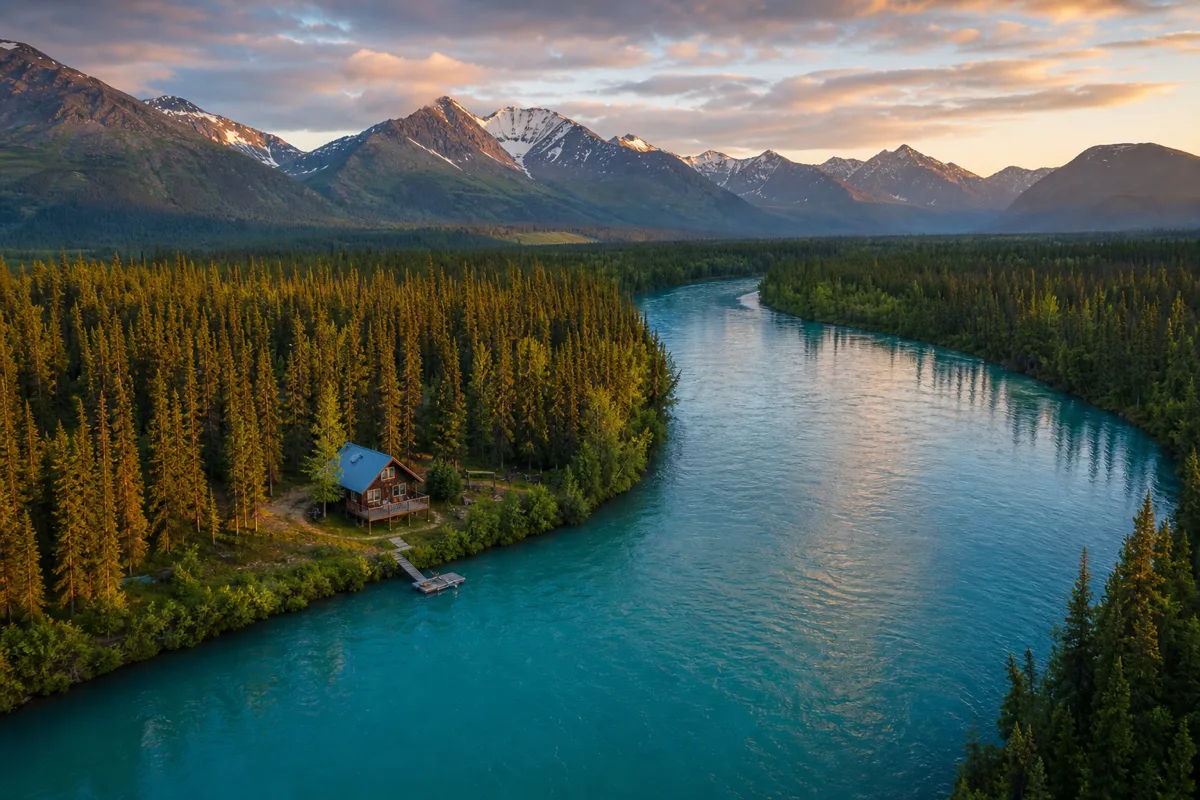
Kenai River property is among the most coveted real estate in Alaska. Riverside lots and waterfront cabins along the Kenai Peninsula’s crown jewel river are sought for world-class king and sockeye salmon fishing, incredible scenery, and the prestige of owning one of Alaska’s most iconic landscapes. But buying property directly on — or near — the Kenai River comes with a specific set of financing challenges that standard home purchases don’t carry.
This guide covers what buyers need to know about Kenai River property financing, floodplain requirements, flood insurance costs, and the unique appraisal considerations that apply to waterfront real estate.
Why Kenai River Property Is Different
The Kenai River runs approximately 82 miles from Kenai Lake through the towns of Soldotna and Kenai before emptying into Cook Inlet. Along its banks sit thousands of recreational lots, fishing cabins, full-time residences, and vacant parcels. The property types vary enormously:
- Year-round residential homes in Soldotna with river frontage
- Seasonal fishing cabins on unplatted parcels
- Remote riverside lots accessible only by boat or floatplane
- Properties inside or adjacent to the Kenai National Wildlife Refuge
Each type carries different financing considerations, and lenders approach them very differently.
Floodplain Requirements on the Kenai River
Many Kenai River properties fall within FEMA-designated Special Flood Hazard Areas (SFHA), specifically Zone AE (base flood elevation established). Properties in Zone AE require flood insurance for federally-backed mortgages — FHA, VA, USDA, and conventional loans backed by Fannie Mae or Freddie Mac.
What this means for buyers:
-
Flood insurance is mandatory if the structure is in Zone AE or a mapped flood zone. The National Flood Insurance Program (NFIP) or private flood insurance carriers provide coverage.
-
Flood insurance costs for Kenai River properties vary widely. FEMA’s Risk Rating 2.0 pricing model calculates premiums based on individual property characteristics (flood risk, elevation, structure type). Annual premiums commonly range from $1,000–$5,000 or more depending on the structure’s elevation relative to base flood elevation.
-
An Elevation Certificate is often required for properties in or near flood zones. This surveyor-prepared document establishes the elevation of the lowest floor relative to the base flood elevation. If the structure is elevated above the BFE, flood insurance premiums decrease significantly. Buyers should request an elevation certificate as part of their due diligence.
-
Kenai Peninsula Borough flood maps: Verify the specific flood zone designation for any property you’re considering. Some parcels are in Zone X (minimal flood hazard) even along the Kenai corridor; others sit squarely in AE zones.
Fishing Access and Riparian Rights
One of the most significant value drivers for Kenai River property is fishing access — specifically, the right to fish the Kenai from your own bank. In Alaska, navigable rivers are considered public highways, but property access to the river from private land can be restricted.
Riparian rights in Alaska: Ownership of property adjacent to a navigable waterway generally includes the right to use the waterway from your property, but Alaska law on riparian rights is specific and can affect property value and use.
Seasonal fishing cabin structures: Many Kenai River cabins are seasonal or accessory structures rather than year-round residences. Financing these structures depends heavily on classification:
- A dwelling that meets minimum habitability standards (year-round utilities, insulation, proper plumbing) can typically be financed with residential mortgage products
- Pure recreational cabins without year-round utilities may only qualify as second homes or investment properties, with correspondingly different loan terms and down payment requirements
Appraisal Considerations for Kenai River Homes
Appraising Kenai River property is more complex than standard residential appraisal because:
Waterfront premium: The market value premium for direct Kenai River frontage can be substantial — 30–100% above comparable interior properties. Appraisers must find sold comps that also have river frontage, which limits the available comparable sale pool.
Fishing rights value: The value of direct fishing access from the bank is a recognized component of Kenai River waterfront value that appraisers must account for.
Remote access: Parcels accessible only by boat or floatplane may be difficult to compare to road-accessible properties. Remote parcels typically require larger land areas to justify pricing.
Seasonal cabin structures: Non-year-round structures are appraised differently than full-time dwellings, affecting loan eligibility and value conclusions.
Loan Programs for Kenai River Properties
Conventional loans (second home): Most Kenai River recreational cabin buyers use conventional financing with a second home designation. Second home loans require a minimum 10% down payment (20% to avoid PMI) and require the property to be a single-unit dwelling used by the owner at least part of the year.
FHA loans: FHA financing requires the property to meet minimum property standards as a primary or secondary residence. Pure recreational cabins that lack year-round utilities often do not meet FHA minimum property standards.
VA loans: VA loans are available for Kenai River properties that will be the veteran’s primary residence. VA’s Minimum Property Requirements (MPR) apply, including year-round access and habitability standards.
Investment property loans: If you plan to rent the property (a common use case for Kenai River cabins during salmon season), you’ll need investment property financing — typically requiring 20–25% down and carrying higher rates.
Land loans: Vacant Kenai River lots require land loans or construction-to-permanent financing rather than standard residential mortgages. AHFC and some Alaska credit unions offer land loan programs.
Kenai River Property: Key Due Diligence Checklist
Before making an offer on Kenai River property:
- Verify flood zone designation (FEMA Flood Map Service Center)
- Request or commission an Elevation Certificate if structure is in Zone AE
- Obtain flood insurance quotes from NFIP and private carriers
- Review riparian and fishing access rights in the property deed
- Confirm year-round vs. seasonal utility service
- Verify road-accessible or water/air-only access
- Confirm property’s classification for loan purposes (primary, second home, investment)
- Inspect dock, well (if applicable), and septic for current condition
Ready to explore financing for Kenai River property? Premier Mortgage (NMLS# 1168048) works with Alaska buyers on waterfront, rural, and recreational property financing.
More on Alaska real estate:
- Alaska Manufactured Home Financing
- Kodiak Alaska Real Estate Guide
- Buying a Rural Home in Alaska
- Alaska Home Appraisal Process
Frequently Asked Questions
Do I need flood insurance to buy a Kenai River property?
If the property is in a FEMA-designated Special Flood Hazard Area (Zone AE or similar), flood insurance is mandatory for any federally backed mortgage — FHA, VA, USDA, and conventional loans. Get flood insurance quotes early in the buying process, as costs can be $1,000–$5,000+ annually.
Can I use an FHA loan to buy a Kenai River cabin?
Possibly, but it depends on the cabin’s condition. FHA requires properties to meet Minimum Property Standards — year-round utility access, insulation, and habitability. Seasonal cabins without full utilities typically do not qualify for FHA financing. Standard residential FHA purchase loans work for livable year-round homes with Kenai River frontage.
How is the fishing access value of Kenai River property appraised?
Appraisers are required to consider the value that direct river access and fishing rights contribute to the property. They typically use comparable sales of other river-front properties and apply adjustments for the presence or absence of fishing access, dock structures, and quality of bank access. This waterfront premium is a recognized and documented component of Kenai River property appraisals.
Can I finance a Kenai River property I plan to rent out during fishing season?
Yes, but you’ll need investment property financing rather than a second home loan. Investment property loans typically require 20–25% down and carry higher interest rates. Discuss your intended use with your lender upfront to ensure correct loan classification — misrepresenting occupancy type on a mortgage application is a serious compliance issue.
What is an Elevation Certificate and do I need one for a Kenai River property?
An Elevation Certificate is a surveyor-prepared document that establishes the elevation of the lowest floor of a structure relative to the base flood elevation (BFE) established by FEMA. If your Kenai River property is in Zone AE, an Elevation Certificate is typically required to accurately price flood insurance. Properties elevated above the BFE can significantly reduce annual flood insurance premiums.
Ready to Make Your Move?
Get pre-approved for your home loan first — it gives you a competitive edge. Need a listing agent? We can help.
Or call 9078411600 · or email contact@akhomehq.com
Disclaimer: This article is for informational purposes only and does not constitute financial, mortgage, legal, or tax advice. Interest rates, loan programs, eligibility requirements, and fees are subject to change without notice and may vary based on your individual circumstances. Alaska Home HQ is not a lender, broker, or financial institution. All loan applications are processed by Premier Mortgage (NMLS: 1168048). We may have a business relationship with Premier Mortgage and may receive compensation when you use their services through our links. Consult a licensed mortgage professional before making financial decisions. Terms of Service · Privacy Policy