Appraisal Cost to Cure in Alaska
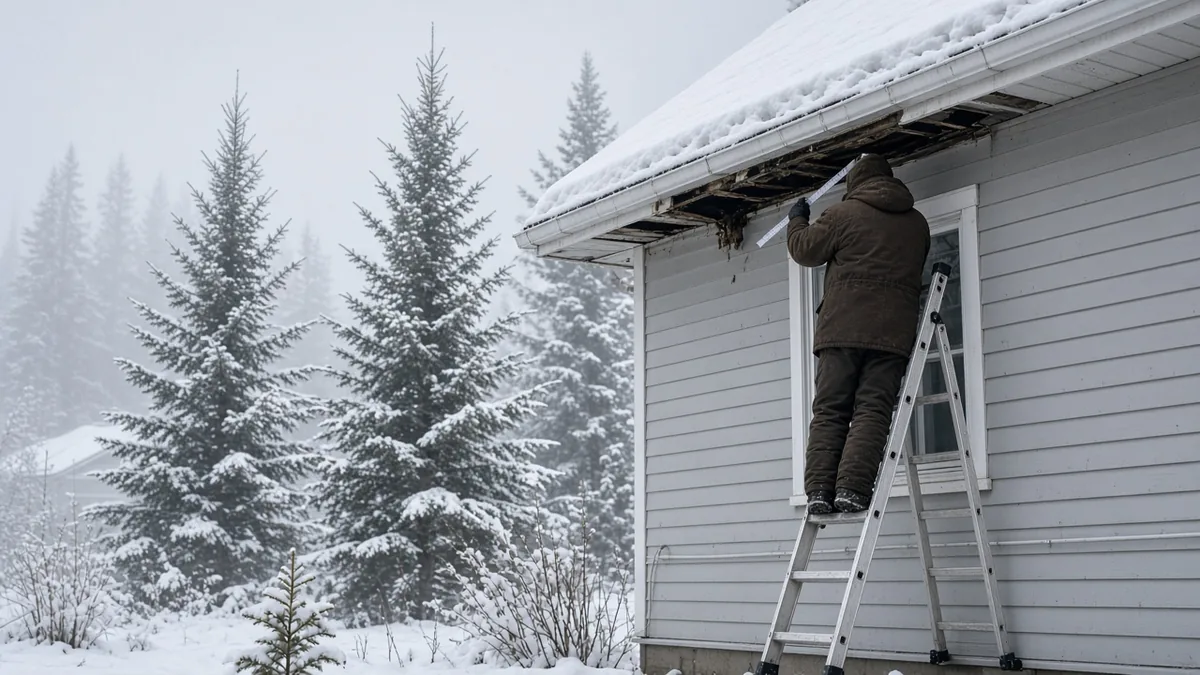
An appraisal cost to cure in Alaska is the dollar figure an appraiser puts on a repair when the house misses a property requirement or has a defect that affects how it can be valued. It is an estimate of the fix. It is not the appraiser’s opinion of what the house is worth, and it is not a bid from the person who will do the work. Buyers who treat the number as either of those two things negotiate the wrong argument.
Alaska Home HQ is educational. It is not a lender and it is not an appraisal firm. Subject to credit approval. Arguing that the value came in low is the renegotiation page. Holding repairs for winter weather is the winter repair escrow page. Financing the work inside an FHA renovation loan is the FHA 203(k) page. This page is only the cost-to-cure line and what a lender does with it.
What an appraisal cost to cure means in Alaska
The appraisal process produces an opinion of value and a description of the property. When something on that property fails a minimum standard, or is damaged enough that the appraiser will not treat the house as finished, the report can carry a cost to cure and a “subject to” condition. The cost to cure is the appraiser’s estimate to correct that item. The condition is the lender’s problem to clear, usually with the work done, an invoice, and a re-inspection, or with a program that allows the work to be financed.
HUD Handbook 4000.1 gives a plain example of a standard that creates repairs. It tells the appraiser to treat a permanently installed heating system as deficient when it does not automatically heat the living areas to a minimum of 50 degrees Fahrenheit, along with other tests of safety and whether fuel is obtainable in that market. A Fairbanks house whose only heat is a space heater the occupant has to tend can produce a repair condition. The cost to cure is whatever the appraiser estimates to install heat that meets the standard. The 50-degree figure is an FHA handbook test for living-area heat. It is not a local building-code citation, and it is not a promise that every conventional file uses the same sentence.
The appraiser is estimating. A contractor who has opened the wall is bidding. Those numbers diverge in Alaska for ordinary reasons: a short building season, freight, and a house that looked simpler from the driveway. The lender clears conditions with evidence the repair happened, or with a program that escrows or finances it. The lender does not have to accept the appraiser’s estimate as the price of the work.
Cost to cure is not a value cut you can “add back”
Readers mix three numbers. The opinion of value is what the appraiser concludes the house is worth under the conditions of the report. The cost to cure is the estimated repair. A seller credit is a contract number. They can be related, and they are not interchangeable.
If the report is “subject to” the repair, the value often assumes the repair will be done. The loan is then written on a house that does not exist yet, and the condition has to be cleared before funding, unless the program allows an escrow or a renovation loan. If the report is “as is,” with a cost to cure already reflected in a lower value, the buyer may be financing the house in its current condition and the repair is the buyer’s problem after closing. Read the reconciliation and the conditions page before you decide which of those two reports you have. The heading “cost to cure” appears in both conversations.
A low value on an otherwise acceptable house is the renegotiation page. You do not cure a comparable-sales problem by replacing a furnace the appraiser did not ask for. You also do not erase a required repair by arguing that nearby houses sold for more. Required repairs and value disputes travel on different tracks, and sellers get angry when a buyer switches tracks midstream.
Who pays, and when the work has to be finished
The purchase contract decides who pays. The lender’s condition decides whether the work has to be finished before closing. A seller can pay a contractor. A buyer can pay. A credit can reimburse a buyer who will do the work later, but only when the lender allows the loan to close with the item unrepaired. That permission is the winter-escrow conversation or a specific overlay, not a right that comes with the words “cost to cure.”
In Fairbanks, a roof repair or a heating install in January is a calendar problem. The cost-to-cure number does not create a contractor. If the condition requires completion, the closing date has to survive the crew’s schedule. If the condition can be escrowed because of weather, that is the winter-repair page, with its own agreement and its own holdback. Guessing that “Alaska loans always escrow winter work” is how people discover, late, that this lender does not.
An FHA 203(k) loan is a way to finance repairs as part of the loan, under that program’s rules. It is not the default purchase loan with a small cost-to-cure in the addendum. Switching into a renovation program is a new application shape. It can be the right tool when the cure is large. It is a poor surprise when the cure is a broken handrail the seller can fix in a day.
How to read the number before you negotiate
Ask the lender, in writing, which items are conditions and which are comments. Ask whether each condition is “prior to closing” or eligible for an escrow or a renovation product. Then get a contractor bid on the conditions only. Compare the bid to the appraiser’s cost to cure without expecting them to match. Negotiate the contract from the bid and from what the lender will actually allow, not from the appraiser’s estimate alone.
The FHA minimum property standards checklist helps a buyer see the kinds of items that become conditions on that program. Conventional files have their own list, usually shorter on cosmetics and still real on safety and structural items. A cost to cure for peeling paint on an FHA file and a cost to cure for a failing roof are both “repairs,” and they do not deserve the same panic or the same contract language.
Bring the conditions page to the negotiation. A seller who sees a specific list can price a repair. A seller who hears “the appraisal wants $20,000 of work” cannot tell whether that estimate is a new boiler or a guess about a crawl space nobody entered.
Rates vary and are subject to credit approval. When you know which repairs are true conditions, Premier Mortgage (NMLS# 1168048) can look at whether this file closes on the house as it sits or only after the work.
Frequently Asked Questions
Is the appraisal cost to cure the same as the home’s value?
No, Value is the appraiser’s opinion of what the property is worth under the report’s conditions. Cost to cure is the estimated price to fix a specific defect. A report can be subject to the repair, with value assuming the work is done, or it can value the house as it sits and note the cure separately. Read the conditions page to see which one you have.
Does the lender have to use the appraiser’s repair estimate?
The lender uses the cost to cure as information. Clearing the condition usually takes evidence that the work was done, or a program that allows an escrow or a renovation loan. A contractor’s bid can differ from the appraiser’s figure because the appraiser did not open every wall. The bid is what the parties negotiate, and the condition is what the lender clears.
Can a seller credit replace a required repair?
Only when the lender allows the loan to close without the repair. If the report is subject to completion, a credit that leaves the defect in place does not clear the condition. Winter weather sometimes supports a repair escrow, which is a different agreement with its own holdback. Assume nothing about an escrow until the lender says this item qualifies.
What is an example of a cost to cure on an Alaska house?
FHA Handbook 4000.1 tells the appraiser to treat permanent heat as deficient if it does not automatically heat living areas to at least 50 degrees Fahrenheit. A house that fails that test can carry a cost to cure for a heating system that meets it. The figure is an estimate. The contractor’s bid for that house is the number to negotiate, and the 50-degree test is an FHA handbook rule, not a state building-code citation by itself.
Is a cost to cure a reason to switch to an FHA 203(k)?
Sometimes, when the work is large enough that a renovation loan is the tool that finances it. A small, required repair is usually just a repair, done before closing or escrowed if the lender allows. A 203(k) is a different loan program with its own appraisal and its own contractors’ rules. It is not the automatic next step every time an appraiser types a cure amount.
Ready to Take the Next Step?
Get a free home loan quote today through our trusted partner.
Or call 9078411600
Disclaimer: This article is for informational purposes only and does not constitute financial, mortgage, legal, or tax advice. Interest rates, loan programs, eligibility requirements, and fees are subject to change without notice and may vary based on your individual circumstances. Alaska Home HQ is not a lender, broker, or financial institution. All loan applications are processed by Premier Mortgage (NMLS: 1168048). We may have a business relationship with Premier Mortgage and may receive compensation when you use their services through our links. Consult a licensed mortgage professional before making financial decisions. Terms of Service · Privacy Policy