Alaska FHA Minimum Property Standards Checklist
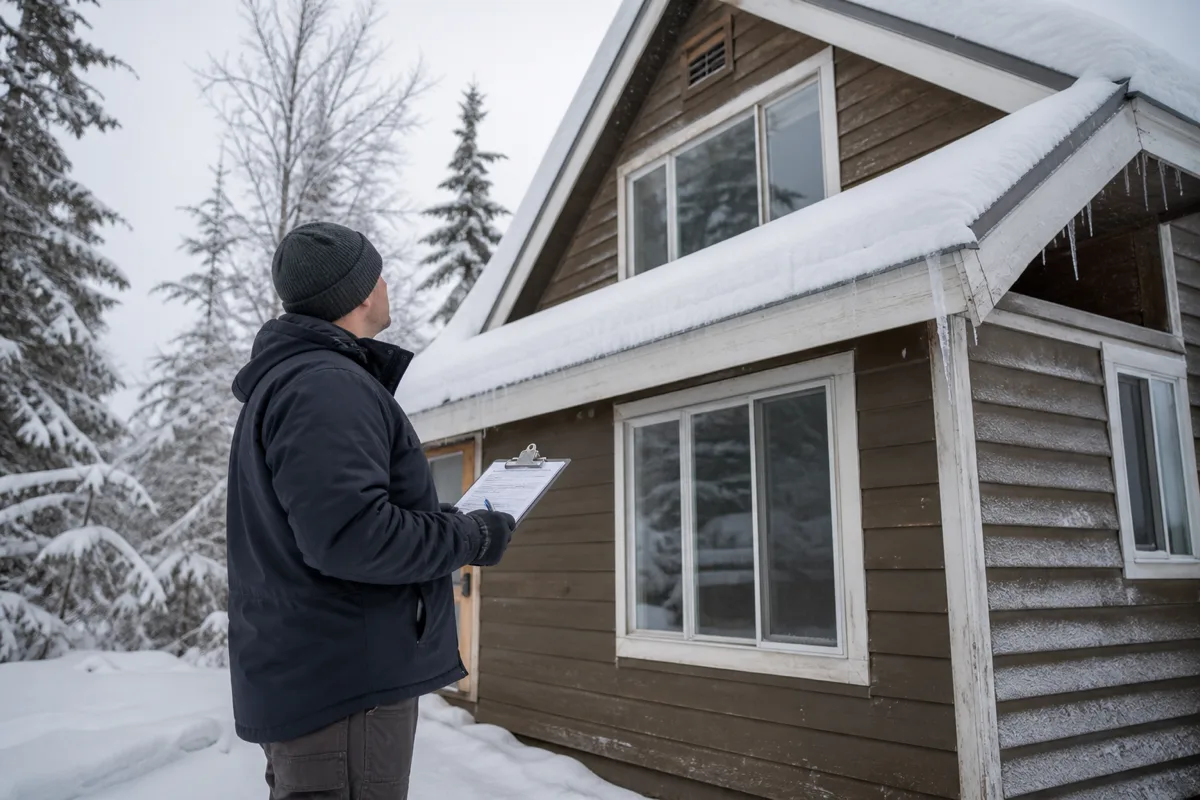
FHA loans are popular in Alaska for their low 3.5% down payment and flexible credit requirements, but the tradeoff is that FHA cares about the property itself, not just the borrower. Every home financed with an FHA loan has to meet HUD’s minimum property standards (MPS), verified during the FHA appraisal — and a handful of these requirements catch Alaska buyers off guard more than buyers in other states.
What Minimum Property Standards Actually Cover
FHA’s MPS exist to ensure a home is safe, sound, and secure — not necessarily updated or modern, just structurally and functionally adequate. An FHA appraiser is checking the property against this standard at the same time they’re determining its value, which means an FHA appraisal report often flags issues a conventional appraisal wouldn’t even mention.
The Core Checklist
Roof: Must have at least two years of remaining useful life. A roof showing significant wear, missing shingles, or evidence of active leaks will typically require repair before closing. Alaska’s snow load and ice dam issues make roof condition a more frequent flag here than in many states.
Heating system: Must be adequate to maintain a safe and healthy temperature throughout the home, and must be permanently installed (space heaters alone generally don’t satisfy this requirement as a primary heat source). Given Alaska’s climate, this is one of the most closely scrutinized items on any Alaska FHA appraisal.
Electrical system: Must be safe, with no exposed wiring, and must provide adequate service for the home’s needs. Older knob-and-tube wiring or a clearly undersized electrical panel can trigger required repairs.
Plumbing: Must provide safe, functioning water supply and waste disposal. For properties with private wells, water must test safe for consumption; for septic systems, the system must be functioning properly with no evidence of failure or surfacing effluent.
Structural soundness: Foundations, walls, and roof structure must be free of significant defects. In Alaska, this includes evaluating pile foundations in permafrost areas and checking for foundation settling or cracking that could indicate deeper structural issues.
Access and safety: The home needs safe, year-round access. In rural Alaska, this can raise questions about seasonal-only road access or properties reachable only by boat or plane — appraisers evaluate whether access meets FHA’s standards for the property to qualify.
Water and moisture intrusion: No evidence of active water penetration, excessive moisture, or resulting mold in basements, crawlspaces, or living areas.
Lead-based paint: For homes built before 1978, any deteriorated paint must be addressed, particularly on surfaces accessible to children, consistent with federal lead-based paint disclosure and remediation rules.
Alaska-Specific MPS Issues
A few property conditions come up disproportionately often in Alaska FHA appraisals:
- Permafrost-related foundation settling, which can require a structural engineer’s evaluation before the loan can close
- Well water quality, particularly arsenic levels, which occur naturally at elevated levels in some parts of Alaska and require remediation (typically a treatment system) if a test comes back above safe thresholds
- Heating system adequacy in older homes that may have been retrofitted with wood stoves or other supplemental heat sources not considered adequate as a sole heat source under FHA guidelines
- Ice dam and roof damage from Alaska’s freeze-thaw winter cycles, which can affect roof condition assessments more than in milder climates
What Happens If a Property Doesn’t Meet Standards
If an FHA appraiser identifies MPS issues, the loan generally can’t close until they’re resolved. Depending on the issue, this might mean:
- The seller completes repairs before closing
- The buyer negotiates a price reduction or credit and completes repairs after closing (in limited cases, with funds held in escrow)
- The buyer pursues an FHA 203(k) renovation loan, which allows financing the purchase and needed repairs together — see our Alaska FHA 203k renovation loan guide for how this works
- The deal falls through if the seller won’t address the issues and the buyer isn’t willing or able to cover them
Preparing a Home Before Listing It for FHA Buyers
Sellers who know their home may attract FHA buyers can save everyone time by addressing obvious MPS issues before listing. A quick walk-through with a contractor or even a pre-listing inspection focused specifically on roof condition, heating adequacy, and any visible moisture or structural concerns can flag problems while there’s still time to fix them without a closing deadline looming. This matters more in Alaska’s older housing stock — many homes built in the 1960s through 1980s in Anchorage, Fairbanks, and smaller communities have heating systems or electrical panels that haven’t been updated since original construction, which is exactly the kind of thing an FHA appraiser flags immediately.
How Long Repairs Typically Add to Closing
When an FHA appraisal identifies required repairs, expect the timeline to extend by anywhere from a few days (minor items like a smoke detector or handrail) to several weeks (roof replacement, septic system repair, or a specialized foundation evaluation in permafrost areas). Once repairs are complete, the appraiser typically needs to conduct a follow-up inspection to confirm the work was done to standard before the loan can proceed to closing, which adds its own scheduling lag depending on appraiser availability in your area.
How This Differs From a Standard Home Inspection
It’s worth understanding that an FHA appraisal is not a substitute for a full home inspection. The appraiser is checking for HUD’s minimum standards and determining value — not conducting the same detailed, room-by-room evaluation a licensed home inspector performs. Many buyers assume passing an FHA appraisal means the home has no issues, when in reality a full inspection can (and often does) turn up problems the appraisal never touched. Our Alaska home inspection cost guide covers what a proper inspection should include alongside your FHA appraisal.
For USDA’s comparable property condition standards, which follow a similar but distinct framework, see our Alaska USDA property condition requirements guide.
For HUD’s official minimum property standards documentation, see HUD’s Single Family Housing Policy Handbook.
FHA appraisals in Anchorage and other larger Alaska markets generally move faster than in rural areas, simply due to greater appraiser availability and more comparable sales data.
Ready to Explore FHA Financing?
Understanding minimum property standards upfront can help you avoid surprises during underwriting. Premier Mortgage (NMLS# 1168048) can walk through what to expect for your specific property.
Frequently Asked Questions
Does an FHA appraisal replace a home inspection in Alaska?
No. An FHA appraisal checks the property against HUD’s minimum property standards and determines value, but it’s not a substitute for a full, independent home inspection, which examines the property in far more detail.
What heating systems fail FHA’s minimum property standards?
A home generally needs a permanently installed heating system capable of maintaining a safe temperature throughout the home. Space heaters or wood stoves alone, without an adequate primary system, typically don’t satisfy this requirement.
Can I still get an FHA loan if my well water fails testing?
Not until the issue is resolved, typically through a water treatment system that brings contaminant levels within safe limits. The property must retest successfully before the loan can close.
Who pays for repairs identified during an FHA appraisal?
This is negotiated between buyer and seller, the same as any other repair negotiation. Sellers often complete required MPS repairs before closing to keep the sale moving, but there’s no automatic rule about who pays.
What if a property can’t meet FHA minimum property standards at all?
If repairs aren’t feasible or the seller won’t complete them, buyers can consider an FHA 203(k) renovation loan to finance the purchase and repairs together, switch to a different loan program with less strict property requirements, or walk away from the purchase.
Ready to Take the Next Step?
Get a free home loan quote today through our trusted partner.
Or call 9078411600
Disclaimer: This article is for informational purposes only and does not constitute financial, mortgage, legal, or tax advice. Interest rates, loan programs, eligibility requirements, and fees are subject to change without notice and may vary based on your individual circumstances. Alaska Home HQ is not a lender, broker, or financial institution. All loan applications are processed by Premier Mortgage (NMLS: 1168048). We may have a business relationship with Premier Mortgage and may receive compensation when you use their services through our links. Consult a licensed mortgage professional before making financial decisions. Terms of Service · Privacy Policy