Alaska Buried Heating Oil Tank Mortgage
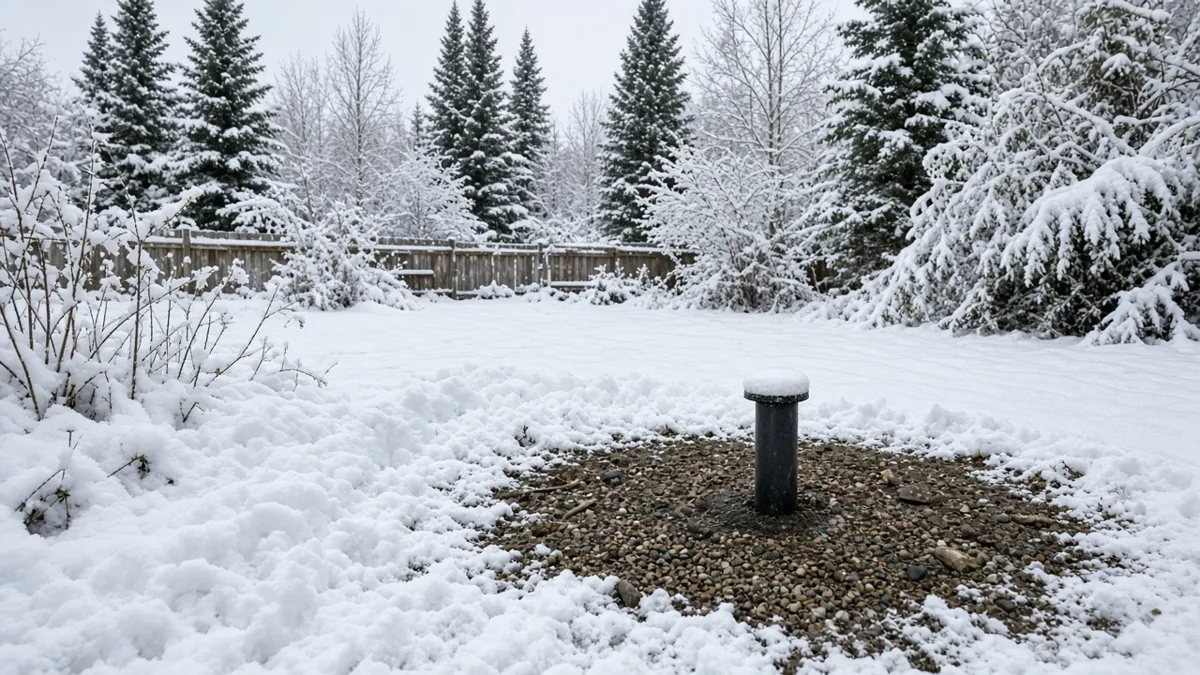
A buried heating oil tank mortgage Alaska file stops when the disclosure, the inspection, or an old survey says a tank is in the ground and nobody can show that it was closed. Above-ground tanks that sit on a stand and can be looked at are the heating-oil inspection page. This page is the tank you cannot see. Alaska Home HQ is educational. It is not a lender and it is not an environmental contractor. Subject to credit approval.
Why a buried tank is a loan condition
Heating oil in the ground is a container that can leak into soil the house sits on. Lenders and insurers treat an undocumented buried tank as an unknown, not as a history lesson. The appraiser may note a fill pipe, a vent, or a seller’s remark. The inspector may see a scar in the lawn. The title report may be silent, because a tank is not always a recorded lien. Silence in title does not mean the yard is empty.
The home inspection checklist is where buyers in Anchorage usually hear the words “possible buried tank” for the first time. Older neighborhoods that converted from oil to gas still have tanks that were emptied, filled with sand, or left. Those three endings are not the same document. Emptied and left is still a tank. Filled with sand without a closure report is a story. A closure report from a contractor, with photos and a statement of what was pumped and what remains, is the paper a lender can read.
Do not dig the tank up yourself to “get ahead of the condition.” A buyer who opens a tank without a plan can spill oil, can injure someone, and can turn a paperwork condition into a cleanup. Hire people who close tanks for a living, and get the scope in writing before they start. The seller, the buyer, or a credit at closing can pay for it. The contract should say which, before the work begins.
What the file is asking to see
Underwriting is not asking for a novel about the neighborhood’s heating history. It is asking whether a tank is there, whether it was removed or closed in place, and whether anyone sampled the soil if the tank failed. If the tank is gone, the report should say it was removed, where the material went, and that the hole was backfilled. If the tank stays, the report should say it was cleaned and filled by a method the contractor will sign, and that no release was observed. If a release was observed, the file has left ordinary mortgage work. Cleanup is its own project, and many lenders will not fund until a consultant says the work is done.
Insurance follows the same paper. A carrier that will bind a house with an above-ground tank in a containment tub may refuse a buried tank, or may refuse it until closure is documented. The loan needs a binder the lender accepts. Ask the agent with the words “buried tank, closure report attached” before you schedule closing.
A seller who says “the gas company removed it in the nineties” should be asked for the letter. Memories are not exhibits. If the letter does not exist, the practical path is a new locate and a new report, not a louder memory. Utility locates before anyone digs are ordinary. So is a scan. Neither one is a closure.
Put the tank in the purchase contract in plain words. “Seller will provide a closure report acceptable to buyer’s lender, or will remove the tank and provide the removal report, at seller’s expense, before the end of the inspection period.” A sentence that says “seller to comply with all lender conditions” leaves the price of the work as a fight. If the buyer will take a credit and hire the contractor, name the credit and name what happens if the bid comes in higher. A credit that is too small does not clear the condition. The loan still will not fund on a promise.
Ask the listing side for prior insurance claims and for any letter a gas utility or a previous buyer already paid for. Houses in Palmer change hands more than once with the same vent pipe in the side yard. The second buyer should not pay for the first buyer’s missing file if the seller still has it in a drawer. If nobody has it, budget the locate. A scan that says “anomaly in the yard” is a reason to dig with a contractor, not a closure.
The appraiser’s photo of a fill pipe belongs in the loan file even when the report’s comment is mild. Underwriters read photos. A sentence that says “typical for the area” does not remove a pipe from the picture. Send the closure report to the insurer and to the lender as the same PDF. Two different stories, one for each, is how a clear report becomes a condition again the week of closing.
Buyers in Eagle River and south Anchorage see this on houses from the oil-heat decades. The age of the house is a hint, not a finding. A 1968 house can have a clean closure. A 1998 house can still have a tank a previous owner used as a backup. Read the disclosure. Then walk the yard for a vent pipe that does not connect to anything you can see.
A vent that looks abandoned can still be live. Do not cap it, paint it, or hide it behind a shed to make a photo nicer. Hiding the pipe does not close the tank, and fresh paint over a fill port is a worse conversation than the pipe you disclosed on day one. If the house is on gas now, a utility service record only hints at when the boiler changed. The conversion date is not proof the oil tank left. People convert the heat and leave the tank as a backup they never use. Leave the pipe visible until a contractor’s report says what happened to the steel in the ground.
Ready to look at a house where a tank might be in the ground? Premier Mortgage (NMLS# 1168048) can tell you what the loan file will ask for. Subject to credit approval. Rates vary.
Frequently Asked Questions
Will a mortgage fund with a buried heating oil tank still in the yard?
Often not, until a contractor documents removal or a proper closure and the insurer will bind. An undocumented tank is an unknown. The above-ground inspection page does not cover a tank you cannot see.
Can the seller just say it was removed years ago?
They can say it. The file still wants the report. If the report is gone, plan on a new locate and a new closure letter rather than a story.
Who pays to close the tank?
Whoever the contract names. Agree on buyer, seller, or a closing credit before the work starts. Do not dig first and negotiate second.
Is soil contamination automatic?
No. A tank can be closed with no release observed. If the contractor finds a release, cleanup is a separate project, and funding usually waits on that work.
Ready to Take the Next Step?
Get a free home loan quote today through our trusted partner.
Or call 9078411600
Disclaimer: This article is for informational purposes only and does not constitute financial, mortgage, legal, or tax advice. Interest rates, loan programs, eligibility requirements, and fees are subject to change without notice and may vary based on your individual circumstances. Alaska Home HQ is not a lender, broker, or financial institution. All loan applications are processed by Premier Mortgage (NMLS: 1168048). We may have a business relationship with Premier Mortgage and may receive compensation when you use their services through our links. Consult a licensed mortgage professional before making financial decisions. Terms of Service · Privacy Policy