Alaska Home Inspection Cost: What to Budget
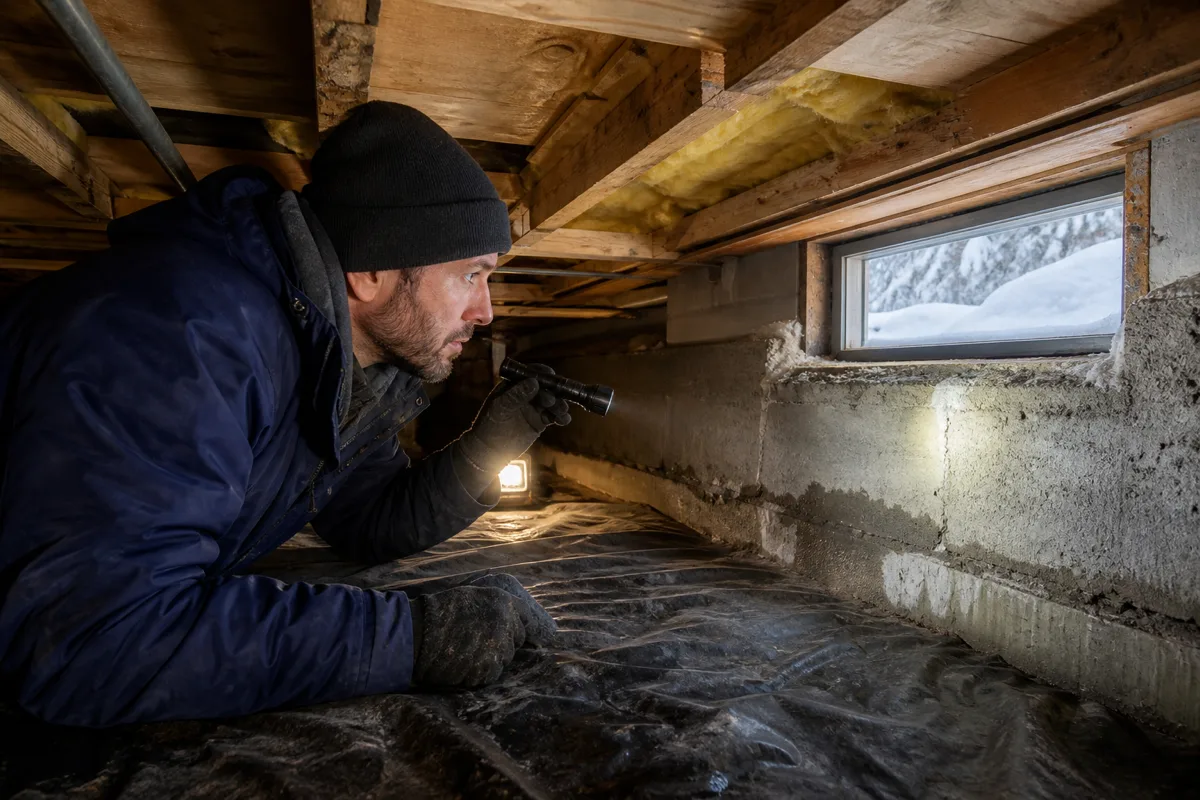
Budgeting for a home inspection is easy to underestimate in Alaska, mostly because a “standard” inspection here often isn’t standard at all — well and septic testing, radon screening, and travel costs to reach rural properties all add to the base price in ways that don’t come up in most Lower 48 markets.
Base Inspection Costs
A general home inspection covering the structure, roof, electrical, plumbing, and HVAC systems typically runs $400-$600 in Anchorage and other larger Alaska markets, broadly in line with national averages adjusted for the state’s higher cost of living. Smaller homes or condos may fall toward the lower end; larger homes, older construction, or properties with unusual features (log construction, additions, permafrost-affected foundations) tend to run higher due to the extra time required.
Add-On Costs Specific to Alaska Properties
Well water testing: If the property has a private well, expect to pay $150-$400 for water quality testing, depending on how many contaminants are screened. Standard panels typically check for coliform bacteria, nitrates, and arsenic; more comprehensive testing that includes additional metals or contaminants specific to your area can push costs higher.
Septic system inspection: A septic inspection, separate from the general home inspection, typically runs $300-$600, and may require pumping the tank as part of a thorough evaluation, which adds further cost. Given how many Alaska properties outside major cities rely on well and septic rather than municipal utilities, this is one of the most common add-ons buyers encounter.
Radon testing: Alaska has areas of elevated radon risk, particularly in Interior and parts of Southcentral Alaska. Radon testing typically costs $100-$200 and takes 48-96 hours to complete, so factor the extra time into your inspection contingency timeline.
Mold and moisture assessment: Given Alaska’s climate and the potential for moisture issues in older or poorly ventilated homes, some buyers add a specific mold or moisture inspection, typically $200-$400, especially for homes with a history of ice dam damage or basement/crawlspace concerns.
Permafrost or foundation-specific evaluation: For properties on pile foundations or in areas with known permafrost concerns, a specialized structural engineer evaluation can run $500-$1,500 or more, though this is typically only needed when the general inspector flags a specific concern rather than as a routine add-on for every property.
Travel and Rural Premium
For properties outside the road system or in smaller communities, inspectors may charge additional travel fees, or you may need to fly an inspector in from a larger hub, adding both cost and scheduling complexity. In truly remote markets, it’s worth asking your real estate agent which local inspectors are available and what their standard fee structure looks like before assuming Anchorage-area pricing applies.
Choosing the Right Inspector
Not every home inspector has experience with Alaska-specific issues like permafrost foundations, ice dam damage, or well and septic systems common outside major utility service areas. When vetting inspectors, ask directly whether they’ve worked on similar properties in your area and whether they carry certifications for well/septic testing or partner with a certified tester, since not every general inspector performs these specialized tests themselves. A slightly higher fee for an inspector with relevant local experience is usually worth it compared to a cheaper generalist who might miss an Alaska-specific red flag.
Timing Your Inspection Around Alaska’s Seasons
Winter inspections come with their own challenges — roofs, siding, and drainage issues can be harder to fully assess under snow cover, and septic systems are more difficult to evaluate when the ground is frozen. If you’re buying in winter, ask your inspector how they handle snow-covered conditions and whether a follow-up spring inspection of specific systems (roof, grading, septic) makes sense once conditions allow a clearer look. This is a common enough issue in Alaska that many purchase contracts include language addressing a seasonal inspection contingency for exactly this reason.
Total Budget Estimate
For a typical Anchorage or Mat-Su Valley single-family home on municipal utilities, budget $500-$800 total for a general inspection plus radon testing. For a rural property with well and septic, a more realistic total is $900-$1,500 once water testing, septic inspection, and radon are all included. Waterfront, log home, or unique construction properties can push higher still given the specialized knowledge required.
Negotiating Inspection Costs Into Your Offer
In some cases, particularly in slower-moving markets or on listings that have sat for a while, buyers can negotiate for the seller to cover part or all of the inspection cost as a condition of the offer, or request a pre-inspection report the seller already commissioned as a starting point for your own due diligence. This is less common in competitive multiple-offer situations, where absorbing your own inspection costs is simply part of making a strong offer, but it’s always worth a conversation with your agent about what’s realistic given current market conditions in your specific area.
Is It Worth the Cost?
Yes, in nearly every case. A $1,000 inspection budget is a small fraction of a home’s purchase price, and catching a failing septic system, an undersized well, or a foundation issue before closing can save tens of thousands of dollars — or give you real negotiating leverage with the seller. Our Alaska home inspection negotiation guide covers how to use inspection findings to negotiate repairs or credits, and our Alaska inspection contingency timeline guide explains how much time to budget in your purchase contract for these tests to come back, particularly radon which requires multiple days.
If you’re buying a well/septic property specifically, our well and septic mortgage requirements guide covers how lenders factor inspection results into loan approval, separate from your own due diligence decision to walk away or negotiate.
For general information on radon risk and testing standards, the EPA’s radon resources provide national guidance that applies to Alaska properties as well.
Inspection costs and inspector availability can vary meaningfully between a dense market like Anchorage and smaller communities, so budget extra time and cost cushion for rural purchases.
Get Pre-Approved Before You Budget for Inspections
Knowing your full closing budget — including inspection costs — starts with knowing what you can afford to borrow. Premier Mortgage (NMLS# 1168048) can help you get pre-approved so you can plan your full homebuying budget with confidence.
Frequently Asked Questions
How much does a general home inspection cost in Alaska?
A standard general inspection typically runs $400-$600 in Anchorage and other larger markets, with higher-end costs for larger homes, older construction, or unusual features.
Do I need a separate septic inspection in Alaska?
Yes, if the property has a septic system. This is typically a separate inspection from the general home inspection, costing $300-$600, and may require pumping the tank for a thorough evaluation.
How long does radon testing take?
Radon tests typically take 48-96 hours to produce a reliable result, so factor this timeline into your inspection contingency period when negotiating your purchase contract.
Are inspections more expensive in rural Alaska?
Often, yes. Properties outside the road system or in smaller communities may involve additional travel fees for the inspector, or require flying an inspector in from a larger hub, which adds to the total cost.
Can I skip a well or septic inspection to save money?
It’s not recommended. Well and septic system failures are among the most expensive issues to discover after closing, often costing far more to repair or replace than the inspection itself would have cost to identify the problem in advance.
Ready to Make Your Move?
Get pre-approved for your home loan first — it gives you a competitive edge. Need a listing agent? We can help.
Or call 9078411600 · or email contact@akhomehq.com
Disclaimer: This article is for informational purposes only and does not constitute financial, mortgage, legal, or tax advice. Interest rates, loan programs, eligibility requirements, and fees are subject to change without notice and may vary based on your individual circumstances. Alaska Home HQ is not a lender, broker, or financial institution. All loan applications are processed by Premier Mortgage (NMLS: 1168048). We may have a business relationship with Premier Mortgage and may receive compensation when you use their services through our links. Consult a licensed mortgage professional before making financial decisions. Terms of Service · Privacy Policy