Cabin Square Footage and Alaska Appraisals
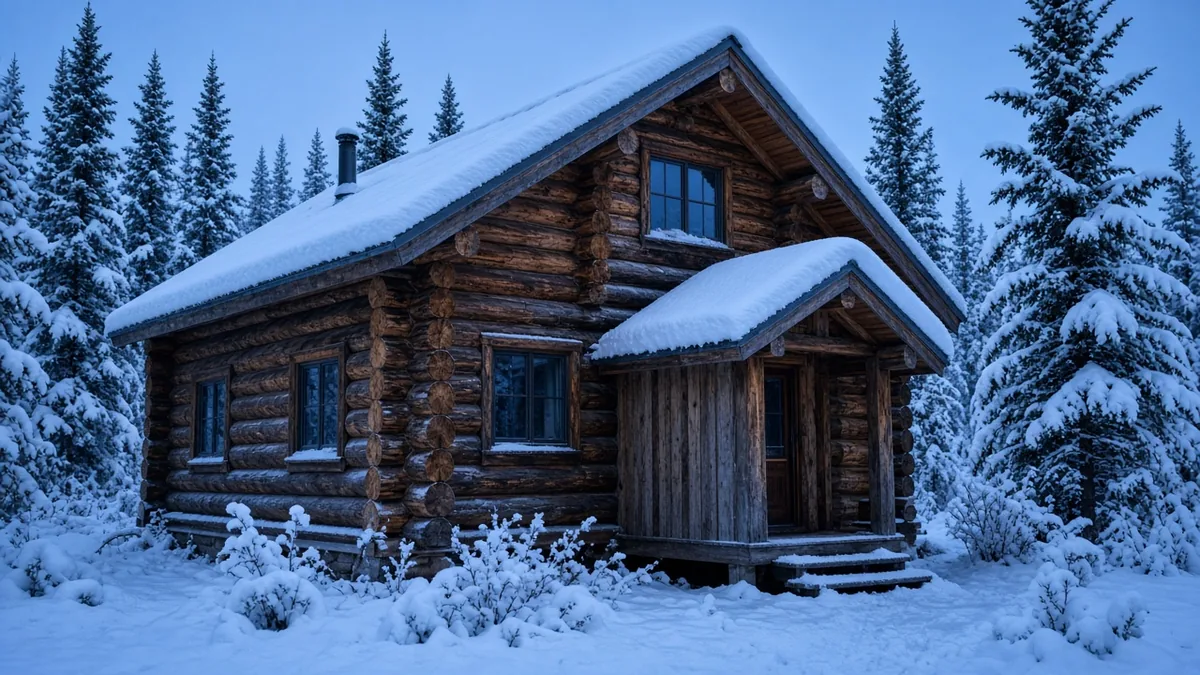
An Alaska cabin square footage appraisal is the lender’s measurement of the dwelling, and it often disagrees with the number in the listing. Lofts, arctic entries, enclosed porches, and a shop under the same roof do not all enter the living-area figure the same way. This article does not give a square-foot cutoff or a ceiling-height rule. The appraiser’s sketch, written to the standard that assignment uses, is the figure the loan file uses.
That gap shows up on dry cabins, log cabins, and recreational places around Homer, in the Interior, and in the valley. A seller may be passing along an old assessor card, a builder’s estimate, or a number from a prior listing. None of those is the appraisal.
The CFPB’s Closing Disclosure explainer says the lender uses an appraisal to decide how much the home is worth, that an independent appraiser does the work, and that the buyer has a right to a copy. Read that copy. The comments about living area, porches, and outbuildings are the part cabin buyers skip.
Alaska Home HQ is educational. It is not a lender and it is not an appraiser. Value is an opinion under a set of rules. It is not the listing’s square footage times a price per foot.
How an Alaska cabin square footage appraisal treats the building
The appraiser measures what the assignment calls living area, and then deals with the rest of the building in other lines of the report. A heated, finished room with ordinary access is the easy case. The Alaska cabin is full of edge cases.
A loft over a great room may be where everyone sleeps, and it may still be described apart from the main living area if headroom, access, or finish does not meet the standard for that assignment. Ask the appraiser which standard the lender ordered. Do not assume a tape-measure total from the listing photos matches the sketch.
An arctic entry keeps the wind out of the house. It can be finished, insulated, and essential in January, and still be labeled as an entry or a utility space rather than as a bedroom equivalent. A mudroom full of boots is living, in the family sense. The form has its own boxes.
Enclosed porches, three-season rooms, and a “summertime bunkhouse” on the end of the cabin get the same treatment. If the space is not heated for the Alaska winter, or if it is finished to a different standard than the main cabin, expect a separate line. The photos will still make it look like part of the house.
Detached shops, conex rooms, guest cabins, and a sauna are often real amenities and often not part of the dwelling’s living area. The appraiser can discuss them, adjust for them, and still leave them out of the living-area total. A buyer who added the shop’s floor into the cabin’s square footage has built a number the report will not repeat.
Unfinished lower levels, crawl spaces, and root cellars are the other direction. They can add storage that matters in a village or on a homestead. They are not automatically living area because a previous owner put a rug down there.
Stair openings, thick log walls, and a loft ladder change the usable floor in ways a rectangle on a flyer ignores. Log homes in particular carry exterior dimensions that include wood the household cannot walk on. Ask whether the sketch used exterior measurements and how the walls were handled. This page will not invent a formula for that.
The listing number and the loan number
The appraisal process is a lender assignment. The appraiser does not work for the buyer as a shopper’s advocate, and does not work for the seller as a marketing writer. The report goes to the lender. The buyer can receive a copy and can read the sketch before arguing about price.
When the appraisal’s living area is smaller than the listing, the value can come in lower than the contract even if the cabin is charming. The loan amount follows the lender’s rules on value and price, not the flyer. An appraisal gap is the conversation about who brings cash when the contract price sits above the appraised value. Gap language in a contract is a negotiation. It is not a promise the lender will lend the higher number.
A low living-area figure does not, by itself, mean the cabin is worthless. Outbuildings, a view, a water system, and a comparably small cabin down the road can all sit inside the appraiser’s adjustments. The mistake is treating every foot the seller counted as a foot the form counted.
Ask for the prior appraisal, if the seller has one, and ask how old it is. A measurement from a refinance ten years ago may have used a different form. Assessed square footage, where a borough even maintains it, is a tax record. It is a poor substitute for the sketch in the current assignment.
Dry cabins, log homes, and shops
The Fairbanks dry-cabin guide covers cabins without running water. Square footage is only one piece. A dry cabin can be a year-round home or a seasonal shell, and the appraiser has to describe the condition and the utilities the lender’s program allows. A beautiful small footprint with a honey bucket and a hauled-water plan is a property question and a measurement question at the same time. The hauled-water guide is the utility side of that file.
Around Homer and across Kachemak Bay country, recreational cabins often include a loft, a cold entry, and a generator shed. The cabin buying guide is the broader shopping list. Bring the square-footage question into that list early, before the offer treats the listing number as the size of the loan’s collateral.
A shop with a floor drain and a wood stove is, for many buyers, the reason to own the property. Tell the lender it is there. Ask the appraiser how it will be reported. Then read the report. If the shop is personal property, or if it is a second dwelling with its own problems, the loan program may care for reasons that have nothing to do with the cabin’s living area. Zoning, a second kitchen, and a rental unit the buyer did not disclose are separate underwriting issues.
Barndominiums and post-frame houses create the same split between “the whole building” and “the part people live in.” If the living space is a finished end of a larger shell, the unfinished bay may dominate the exterior photo and barely appear in the living-area line.
What to ask before you waive anything
Ask the seller for the source of the square footage in the ad. Ask the lender which measurement standard the appraisal assignment will use, and ask for the sketch when the report arrives. Compare the sketch to the rooms you walked. If a loft the family plans to sleep in is outside the living-area total, decide whether the price still makes sense with that label on the page.
Ask a local appraiser, before you write, how cabins like this one are usually broken out in that market. Comparable sales matter. A cabin neighborhood where every loft is reported the same way is a calmer file than a one-off measurement fight.
Do not waive the appraisal to “save” a measurement argument unless you already know you can close with cash for any gap and you accept the size the form will show. Waiver is a contract choice. It does not change physics inside the loft.
Some rural cabins may fit a USDA loan on location and income, and the property still has to meet that program’s condition rules. Square footage is not a substitute for heat, water, access, or a roof. The minimum property standards checklist is the FHA version of “can someone live here safely.” Other programs have their own lists. A large listed square footage does not cure a failed heat source.
Alaskans sometimes park a Permanent Fund Dividend in savings for exactly this moment: cash to close, a small repair, or a gap when the sketch comes in tighter than the ad. The dividend is not a measurement, and it is not a promise of approval.
Ready to explore your options? Get a free home loan quote from Premier Mortgage (NMLS# 1168048).
After the report arrives
Read the sketch, the living-area line, and the comments on porches, basements, and outbuildings. If something looks wrong, the path is a reconsideration through the lender, with facts, not a debate in the driveway. Facts look like a survey, a prior measured drawing, or photos of finish and heat. Feelings about how the family uses the loft are context. The form still has rules.
If the value misses the contract, the choices are the usual ones: renegotiate, bring cash for the difference the program allows, or walk away if the contract lets you. None of those choices rewrites the sketch. A second appraisal, where the lender allows one, is a new assignment, not a vote.
Buyers who want a conventional house in a subdivision rarely have this fight. Cabin buyers have it often enough that the listing number belongs in pencil until the report is in hand.
Frequently Asked Questions
Why is the cabin smaller on the appraisal than on the listing?
The listing may use an assessor card, a builder estimate, or a prior ad. The appraisal uses the measurement rules for that lender’s assignment. Lofts, entries, porches, and shops are the spaces that most often move out of the living-area total.
Does a loft count as a bedroom?
It counts as whatever the report says after the appraiser applies the assignment’s rules for finish, access, and headroom. This article does not set a height or a size minimum. Ask for the sketch and read the room labels.
Can I add the shop square footage to the cabin?
You can describe the shop to the lender. The appraiser decides how to report it. Many shops are discussed as outbuildings and left out of dwelling living area. Adding the numbers yourself does not change the form.
What if I disagree with the sketch?
Send specific facts through the lender: measurements, photos, and anything that shows finish or heat the report missed. A reconsideration is the lender’s process. Meeting the appraiser in the yard to renegotiate is not the process.
Will a smaller living area kill the loan?
It can lower the appraised value, and the loan amount follows the program’s rules on value. A smaller figure can also be consistent with the comparable cabins. The file fails when the price, the program, and the value cannot be reconciled, not merely because a loft was labeled differently than the ad.
Ready to Take the Next Step?
Get a free home loan quote today through our trusted partner.
Or call 9078411600
Disclaimer: This article is for informational purposes only and does not constitute financial, mortgage, legal, or tax advice. Interest rates, loan programs, eligibility requirements, and fees are subject to change without notice and may vary based on your individual circumstances. Alaska Home HQ is not a lender, broker, or financial institution. All loan applications are processed by Premier Mortgage (NMLS: 1168048). We may have a business relationship with Premier Mortgage and may receive compensation when you use their services through our links. Consult a licensed mortgage professional before making financial decisions. Terms of Service · Privacy Policy