Finding a Trusted Contractor in Alaska
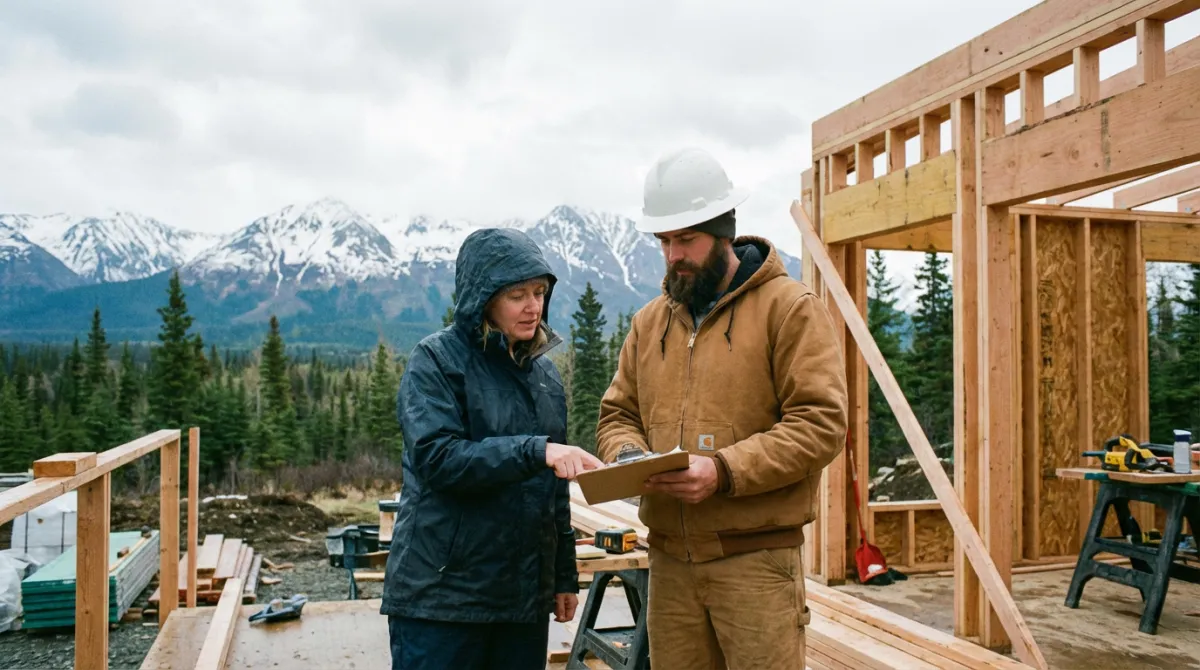
Hiring a contractor in Alaska comes with challenges you won’t find in the Lower 48. A compressed construction season means everyone is busy from May through September. Remote communities may have only a handful of tradespeople — or none at all. And the combination of extreme cold, permafrost, and unusual building conditions means a contractor who did great work in Oregon might be completely unprepared for a project in Fairbanks.
Finding someone reliable takes more effort up here, but the effort pays off. A bad contractor in Alaska can leave you with a half-finished project going into winter, which is a far bigger problem when temperatures hit -40°F than it is anywhere else.
Does Alaska Require Contractor Licensing?
This is where Alaska is unusual, and not in a good way. Alaska is one of the few states that does not require a general contractor license at the state level. There’s no state licensing board, no mandatory exam, and no statewide registration for general contractors.
That means:
- Anyone can call themselves a contractor
- There’s no state database to verify credentials
- The burden of vetting falls almost entirely on the homeowner
However, there are important exceptions:
- Electrical work requires a state license through the Alaska Department of Labor and Workforce Development
- Plumbing requires a state license
- Mechanical (HVAC) requires certification in some jurisdictions
- Some municipalities — particularly Anchorage and Juneau — require contractor registration, business licenses, and permits for certain work
The lack of statewide licensing makes your own due diligence even more critical. You can’t rely on the state to have screened anyone.
How to Vet a Contractor in Alaska
Without a state licensing board to fall back on, you need a reliable process for evaluating contractors yourself.
1. Verify Insurance
This is non-negotiable. Any contractor working on your property should carry:
- General liability insurance — protects you if the contractor damages your property or a third party is injured
- Workers’ compensation insurance — covers injuries to the contractor’s employees on your job site
Ask for a certificate of insurance and confirm it’s current. Call the insurance company directly if you want to verify. If a contractor doesn’t carry insurance and someone gets hurt on your property, you could be liable.
2. Check References and Past Work
- Ask for at least three references from prior clients, ideally on projects similar to yours
- Actually call the references. Ask whether the project was completed on time, on budget, and whether there were communication issues
- Visit a completed project if possible. Photos look good on any website — seeing work in person tells you more
- Look at online reviews but weigh them carefully. A few negative reviews among many positive ones may be normal. A pattern of complaints about the same issue (missed deadlines, poor communication, surprise charges) is a red flag
3. Confirm Alaska Experience
This matters more than credentials in many cases. A contractor who has built in Alaska for 10 years understands things that don’t show up on a resume:
- How permafrost affects foundations
- Why you need a robust heating system before the envelope is closed
- The specific insulation and vapor barrier requirements for sub-arctic construction
- How to sequence work within the short building season
- Cold-weather concrete pouring techniques
- How frost heave affects footings and slabs
Ask how long they’ve been working in Alaska, what types of projects they’ve done here, and whether they’ve dealt with conditions specific to your area.
4. Get Multiple Quotes
Get at least three written estimates for any significant project. Each quote should include:
- Detailed scope of work
- Materials specified (not just “as needed”)
- Timeline with start and expected completion dates
- Payment schedule tied to milestones, not calendar dates
- Who pulls permits (it should typically be the contractor)
- Warranty terms on labor and materials
Watch out for quotes that are dramatically lower than others. In Alaska’s tight labor market, a bid that’s 40% below the competition often signals cut corners, unlicensed subcontractors, or a contractor who plans to make up the difference with change orders.
5. Written Contract — Always
Never start work on a handshake. Your contract should cover:
- The full scope of work with specific details
- Total cost and payment schedule
- Change order process (how additions or changes are priced and approved)
- Timeline and what happens if it’s missed
- Lien waiver provisions
- Dispute resolution process
- Cleanup responsibilities
In Alaska, where the construction season is short and delays cascade quickly, having clear timelines and consequences in writing protects both parties.
Red Flags and Contractor Scams
Alaska’s lack of statewide licensing makes it easier for bad actors to operate. Here are warning signs:
Major Red Flags
- Demands full payment upfront. A reasonable deposit is typically 10–30% of the project cost. Anyone asking for 50%+ before starting work is a risk.
- No written estimate or contract. If they won’t put it in writing, walk away.
- No insurance documentation. “I’m insured” means nothing without a certificate to back it up.
- Pressure to decide immediately. “This price is only good today” is a sales tactic, not a sign of a busy professional.
- Shows up at your door unsolicited. Door-to-door contractors — especially after storms — are frequently running scams. Legitimate contractors generally don’t need to cold-call for work.
- Only accepts cash. Paying by check or card creates a paper trail. Cash-only requests suggest they’re avoiding taxes, accountability, or both.
- No physical address or local presence. A PO Box and a cell phone is the minimum. Ideally, they have an established local business.
Post-Storm Scam Warning
After major weather events — heavy snow loads, wind damage, ice storms — Alaska communities sometimes see an influx of out-of-state “storm chasers.” These contractors show up, collect deposits for insurance-related repairs, do substandard work (or none at all), and leave. If someone knocks on your door offering to fix storm damage, take their card and do your own research before agreeing to anything.
The Short Season Challenge
Alaska’s construction season runs roughly from May through September in most areas, though it varies by region. In Fairbanks and the Interior, the window may be even tighter due to extreme cold on both ends. In Southcentral, mild falls sometimes extend work into October.
This creates real pressure:
- Contractors are booked months in advance for summer projects. If you need work done between June and August, you may need to book in January or February.
- Material lead times are longer in Alaska. Specialty items may need to ship from Seattle or the Lower 48, adding weeks.
- Delays compound quickly. A two-week delay in June that would be a minor annoyance in Texas could push your project past the first snow in Alaska.
How to Navigate the Short Season
- Plan early. Contact contractors in winter for summer work. Get on their schedule before the rush.
- Be flexible on timing. If your project can start in May instead of July, you’ll have more options.
- Stage materials early. If you’re sourcing materials yourself, get them to Alaska well before the project starts.
- Have a bad-weather contingency plan. Discuss with your contractor what happens if weather delays the project. Who absorbs the cost? What’s the revised timeline?
Working with Remote Locations
Many Alaska homes are in areas with limited road access, small communities, or truly remote locations reachable only by plane or boat.
If your property is outside a major hub like Anchorage, Wasilla, or Fairbanks:
- Expect higher costs. Travel time, lodging, and material shipping add up. A project in a road-accessible community outside Anchorage may cost 20–40% more than the same job in town. Truly remote locations can be double or more.
- Look for local tradespeople first. They know the conditions, have lower travel costs, and are available for follow-up work.
- Consider bundling projects. If a contractor is traveling to your area, it may be more cost-effective to have them handle multiple jobs in one trip.
- Shipping materials yourself via barge or air freight may sometimes be cheaper than having the contractor source everything.
What About DIY?
Alaskans are famously self-reliant, and there’s plenty of home maintenance you can handle yourself — caulking, painting, insulation top-ups, winterization tasks, basic plumbing.
But there are projects where hiring a professional is typically the smarter call:
- Anything involving electrical — it’s a safety issue and requires a licensed electrician in Alaska
- Structural work — foundations, load-bearing walls, roof framing
- Heating system installation or major repair — combustion appliances can produce carbon monoxide if improperly installed
- Roofing — steep pitches, snow load considerations, and the height factor
- Plumbing that involves supply lines or sewer connections
The cost of fixing a botched DIY job almost always exceeds the cost of hiring someone qualified in the first place.
Finance Your Home Project
Many Alaska homeowners fund major contracting work — renovations, additions, heating upgrades, roofing — using a HELOC or home equity loan. This approach lets you tap the equity you’ve already built in your home rather than drawing down savings, and the interest may be tax-deductible when used for home improvements.
What makes home equity financing smart for Alaska projects:
- Lower rates than personal loans or credit cards — secured by your home’s value
- Flexible draw periods — borrow as you need it during the project
- May cover full project cost — renovations, mechanical upgrades, additions, weatherization
- Summer timing — align your draw with Alaska’s construction season
Planning a major renovation or home improvement project? A HELOC or home equity loan from Premier Mortgage can cover the cost at competitive rates. Premier Mortgage | NMLS# 1168048 | Equal Housing Lender
Bottom Line
Hiring a contractor in Alaska requires more homework than it does in states with strong licensing requirements. The lack of a state licensing board means you’re your own quality control. But if you verify insurance, check references, get multiple written quotes, and insist on a detailed contract, you’ll dramatically reduce your risk.
Start early, especially for summer projects. Be wary of anyone who pressures you, won’t provide documentation, or wants too much money upfront. And remember — the cheapest bid is rarely the best value when you’re building or repairing a home that has to survive an Alaska winter.
Frequently Asked Questions
Does Alaska require contractors to be licensed?
Alaska does not have a statewide general contractor licensing requirement, which makes vetting more important. Some municipalities, including Anchorage, require trade-specific licenses for electricians and plumbers. Always verify general liability insurance and workers’ compensation coverage before hiring, since the lack of state licensing means fewer automatic protections for homeowners.
How do I verify a contractor’s insurance in Alaska?
Ask the contractor for a copy of their certificate of insurance and call the insurance company directly to confirm the policy is active. You should see both general liability coverage and workers’ compensation. If a contractor cannot or will not provide proof of insurance, do not hire them — you could be liable for injuries or property damage on your property.
What is a fair deposit to pay an Alaska contractor?
A reasonable deposit is 10–25% of the total project cost, with the remainder tied to milestone completions outlined in the contract. Never pay more than one-third upfront, and never pay the full amount before the work is complete. Large upfront demands — especially combined with pressure to sign immediately — are a red flag.
When should I book a contractor in Alaska for summer projects?
Book as early as January or February for major summer projects like roofing, siding, foundation work, or additions. Alaska’s short construction season concentrates demand into May through September, and experienced contractors fill their schedules quickly. Waiting until spring often means delays or settling for less-vetted options.
What should be included in an Alaska contractor’s written estimate?
A proper written estimate should include a detailed scope of work, materials and labor costs broken out separately, a projected timeline, payment schedule, warranty terms, and cleanup responsibilities. For Alaska projects, the estimate should also address weather contingencies and material shipping timelines, which can significantly affect schedules.
Finance Your Home Improvement Project
A HELOC or home equity loan from Premier Mortgage lets you tap your home's value to fund renovations, repairs, and upgrades at competitive rates.
Or call 9078411600
Disclaimer: This article is for informational purposes only and does not constitute financial, mortgage, legal, or tax advice. Interest rates, loan programs, eligibility requirements, and fees are subject to change without notice and may vary based on your individual circumstances. Alaska Home HQ is not a lender, broker, or financial institution. All loan applications are processed by Premier Mortgage (NMLS: 1168048). We may have a business relationship with Premier Mortgage and may receive compensation when you use their services through our links. Consult a licensed mortgage professional before making financial decisions. Terms of Service · Privacy Policy