Winterizing Your Alaska Home: Complete Checklist
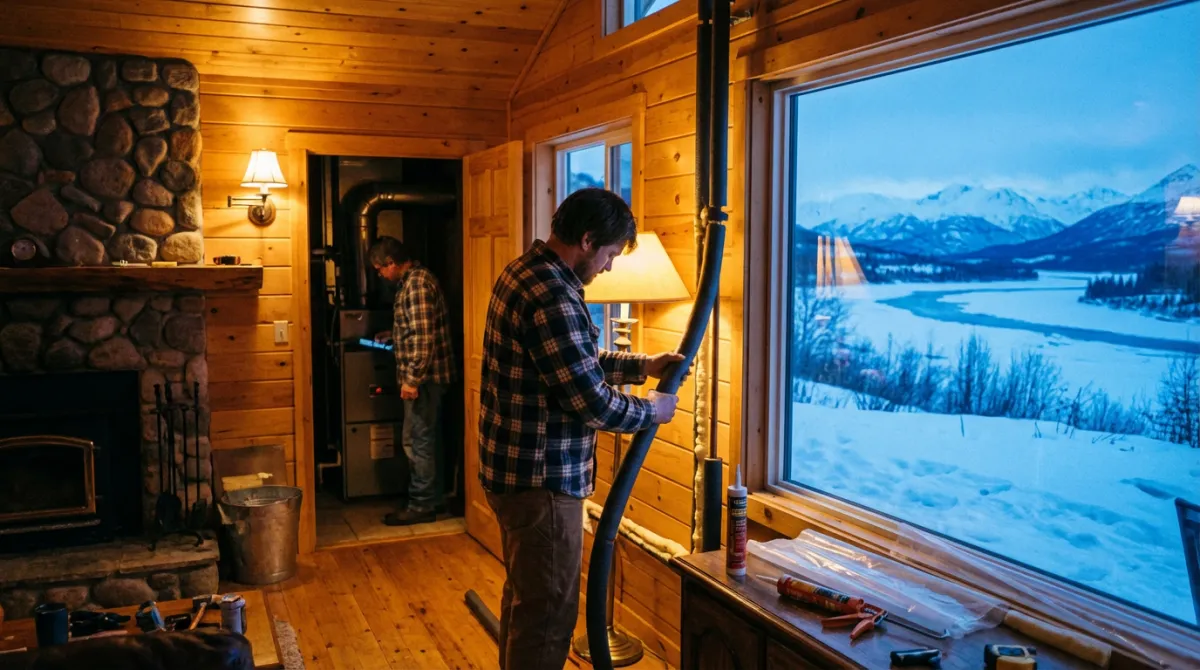
Alaska winters don’t send a warning. One week you’re enjoying late-summer light at 10 p.m., and the next you’re scraping ice off your windshield in the dark. If your home isn’t ready when temperatures drop, you’ll feel it — in frozen pipes, sky-high heating bills, and emergency repair calls that could have been avoided.
Winterizing isn’t a single weekend project up here. It’s a phased process that starts in August and wraps up before the first hard freeze, usually by mid-October in Southcentral and even earlier in Fairbanks or the Interior. This guide breaks it down month by month so nothing gets missed.
August: Early Prep and Professional Inspections
August might still feel like summer, but it’s the time to schedule the work that has lead times. Contractors and HVAC technicians book up fast during the short construction season, so waiting until September often means waiting until next year.
Furnace and Boiler Tune-Up
Your heating system is the single most important piece of equipment in your Alaska home. A furnace or boiler failure at -30°F isn’t an inconvenience — it’s a crisis.
- Schedule a professional tune-up. A qualified technician may inspect the heat exchanger, clean burners, check the flue, test safety controls, and replace filters. This typically costs $150–$300 depending on system type and location.
- Oil-fired systems need the nozzle, fuel filter, and combustion chamber inspected. If you haven’t had a cleaning in over a year, carbon buildup could be reducing efficiency significantly.
- Consider a combustion efficiency test. This tells you how much of your fuel is actually becoming heat versus going up the chimney. Older systems may run at 70–80% efficiency, while modern condensing units can hit 95%+.
If your system is aging (15+ years for a furnace, 20+ for a boiler), August is the time to talk replacement options — not January. For more on heating system types and costs, see our home heating guide.
Insulation Check
Heat loss through poorly insulated walls, floors, and attics drives up heating bills and creates cold spots that lead to moisture problems.
- Attic insulation in Alaska should typically be R-49 to R-60 or higher. If you can see your ceiling joists when you look into the attic, you likely need more.
- Crawl space and floor insulation is critical in areas with permafrost or where homes sit on posts and pads. Cold air flowing under an uninsulated floor can freeze pipes and make rooms uncomfortable.
- Rim joists and band boards are common weak points where the foundation meets the framing. These small areas lose a disproportionate amount of heat.
The Alaska Housing Finance Corporation (AHFC) offers a weatherization assistance program for income-qualifying homeowners. The program may cover insulation upgrades, air sealing, and even heating system improvements at no cost to eligible residents. It’s worth checking whether you qualify before paying out of pocket.
September: Exterior Work and Mechanical Systems
September is your action month. Daylight is still reasonable, temperatures are workable, and you have a few weeks before things get serious.
Windows and Doors
Air leaks around windows and doors are one of the biggest sources of heat loss in older Alaska homes.
- Check weatherstripping on all exterior doors. If you can see daylight around a closed door, it needs replacement.
- Apply window film or install storm windows on single-pane windows. Interior shrink film kits are inexpensive and can reduce heat loss through windows by up to 50% in some cases.
- Caulk exterior gaps around window and door frames. Use a sealant rated for cold temperatures — standard silicone may crack at -40°F.
- Consider upgrading to triple-pane windows if your budget allows. The energy savings in Interior Alaska can be substantial over time.
Pipe Insulation and Heat Tape
Frozen pipes are one of the most common — and most expensive — winter emergencies in Alaska. Prevention is straightforward but has to be done before the cold arrives.
- Insulate all exposed water lines in unheated spaces: crawl spaces, garages, exterior walls, and attics. Foam pipe insulation is inexpensive and easy to install.
- Install heat tape on vulnerable pipe runs. Self-regulating heat tape is generally preferred over constant-wattage tape because it adjusts output based on temperature and is less likely to cause overheating.
- Locate your main water shut-off valve and make sure it works. If a pipe does burst, you need to stop the water fast.
For a deeper dive on pipe protection, check out our guide on preventing frozen pipes in Alaska.
Roof and Gutters
Alaska roofs take a beating. Heavy snow loads, ice dams, and freeze-thaw cycles can cause leaks that go unnoticed until spring.
- Clear gutters and downspouts of debris. Clogged gutters contribute directly to ice dam formation.
- Inspect the roof for missing, cracked, or curling shingles. Pay attention to flashing around vents, chimneys, and skylights.
- Trim overhanging branches that could snap under snow load and damage the roof.
- Check attic ventilation. Proper soffit-to-ridge airflow helps keep the roof deck cold, which reduces ice dam risk.
Generator Prep
Power outages happen in Alaska — wind storms, heavy snow on power lines, and equipment failures in remote areas can leave you in the dark for hours or days.
- Test your generator and run it under load for at least 30 minutes. Don’t just start it — make sure it can actually power your essentials.
- Change the oil and air filter if it hasn’t been serviced recently.
- Stock fuel. Gasoline generators need stabilized fuel. Propane and natural gas units need confirmed supply connections.
- If you don’t have a generator, consider whether your situation warrants one. Homes outside Anchorage or Fairbanks that rely on well pumps and electric heat may be especially vulnerable.
October: Final Preparations
By October, you should be buttoning things up. The focus shifts to supplies, fuel, and last-minute checks.
Heating Fuel
If you heat with oil — and roughly two-thirds of Alaska homes outside of Anchorage do — October is the time to fill your tank.
- Order fuel early. Prices typically rise as demand increases through fall and winter. Locking in a fill-up in September or October may save money compared to mid-winter deliveries.
- Inspect your fuel tank for rust, leaks, and deterioration. Outdoor tanks in particular take a beating from weather and temperature swings.
- Check fuel lines for cracks or loose fittings. A fuel leak in winter is both a fire hazard and an environmental problem.
- Know the difference between #1 and #2 heating oil. #1 is lighter and flows better in extreme cold. Many suppliers blend or switch to #1 as temperatures drop, but it costs more. Some homeowners keep a supply of #1 for the coldest stretches.
Emergency Supplies
Every Alaska household should have supplies to handle at least 72 hours without power, heat, or water — though a week’s worth is more realistic in rural areas.
Essential supplies checklist:
- Flashlights and extra batteries (headlamps are hands-free and practical)
- Battery-powered or hand-crank radio
- First aid kit
- Non-perishable food and manual can opener
- Bottled water (at least one gallon per person per day)
- Extra blankets and sleeping bags rated for cold weather
- Carbon monoxide detector with fresh batteries
- Fire extinguisher
- Charged portable phone battery
Exterior Plumbing
- Disconnect and drain garden hoses. Water left in a hose can freeze back into the hose bib and crack the pipe inside the wall.
- Shut off exterior faucets using the interior shut-off valve, then open the outdoor faucet to drain residual water.
- Winterize sprinkler systems by blowing out lines with compressed air.
Thermostat and Heating Settings
- Set your thermostat to no lower than 55°F, even when away. In Interior Alaska, some homeowners keep it at 60°F or higher as a margin of safety against pipe freezes.
- If you have a programmable thermostat, consider keeping temperatures consistent rather than using deep setbacks. Recovering from a significant temperature drop takes time and fuel, and the risk of pipe freezing increases during setback periods.
Year-Round Maintenance That Pays Off in Winter
Some winter problems start with deferred summer maintenance.
- Grade your yard so water drains away from the foundation. Standing water near the foundation can freeze and heave, causing cracks and structural issues — especially in permafrost regions.
- Seal foundation cracks before they let cold air into crawl spaces and basements.
- Service your wood stove or pellet stove if you use supplemental heat. Have the chimney inspected and cleaned annually to reduce creosote buildup and fire risk.
- Test smoke detectors and carbon monoxide detectors. Winter in Alaska means sealed-up homes with combustion appliances running constantly. CO poisoning risk goes up.
AHFC Weatherization Assistance
The Alaska Housing Finance Corporation runs one of the most comprehensive weatherization programs in the country. If you qualify based on income, the program may cover:
- Air sealing and insulation upgrades
- Heating system repair or replacement
- Ventilation improvements
- Energy audits
Even if you don’t qualify for the free program, AHFC offers energy rebates for homeowners who complete qualifying upgrades through their Home Energy Rebate Program. An energy rater assesses your home before and after improvements, and you may receive rebates based on the efficiency gains achieved.
If you’re considering major upgrades as part of your winterization, check whether you’re eligible before hiring a contractor. Learn more about Alaska homeownership costs and planning in our cost of living guide.
When to Call a Professional
Some winterization tasks are straightforward DIY projects — caulking windows, installing foam pipe insulation, swapping furnace filters. Others genuinely require a professional:
- Furnace and boiler service — combustion appliances need trained technicians
- Electrical work for heat tape installation on complex runs
- Roofing repairs — especially on steep or multi-story homes before snow arrives
- Insulation upgrades in attics with tight clearances or vermiculite (which may contain asbestos in older homes)
- Generator installation and transfer switch wiring — this is code-required electrical work
Finding a qualified contractor in Alaska during the busy pre-winter season can be challenging. It helps to start looking early and get multiple quotes.
Need to finance winterization upgrades? A HELOC or home equity loan from Premier Mortgage can fund insulation, window replacements, and heating upgrades before the cold hits. Premier Mortgage | NMLS# 1168048 | Equal Housing Lender
Printable Winterization Checklist
Use this as a quick reference:
August
- Schedule furnace/boiler tune-up
- Check attic and crawl space insulation levels
- Contact AHFC about weatherization eligibility
September
- Seal windows and doors (weatherstripping, caulk, film)
- Insulate exposed pipes and install heat tape
- Clean gutters and inspect roof
- Test and service generator
- Trim branches near the roof and power lines
October
- Order and fill heating fuel tank
- Disconnect and drain outdoor hoses and faucets
- Stock emergency supplies
- Set thermostat to safe winter minimum
- Test smoke and CO detectors
- Winterize sprinkler system
Alaska winters are long, dark, and unforgiving to unprepared homes. But a few weekends of focused effort in late summer and fall can mean the difference between a comfortable winter and an expensive emergency. Start early, work through the list, and don’t skip the professional inspections on your heating system — it’s the one thing you absolutely depend on when it’s -40°F outside.
Frequently Asked Questions
When should I start winterizing my Alaska home?
Start in late August or September, well before the first freeze. Prioritize heating system inspections, pipe insulation, and weatherstripping first since these protect against the most expensive winter failures. Exterior tasks like gutter cleaning, roof inspection, and driveway sealing should be completed before sustained temperatures drop below freezing.
How much does it cost to winterize a home in Alaska?
Basic winterization — weatherstripping, caulking, pipe insulation, and furnace maintenance — typically costs $500 to $1,500 for a standard home. More extensive work like adding attic insulation, upgrading windows, or installing heat tape can run $3,000 to $10,000. These investments almost always pay for themselves through reduced heating costs and avoided emergency repairs.
What is the most important winterization step for Alaska homes?
Heating system maintenance is the single most critical step. A furnace failure at -40°F is not just uncomfortable — it can lead to frozen pipes, burst plumbing, and tens of thousands of dollars in water damage within hours. Schedule a professional inspection and tune-up every fall, and keep backup heating options like a portable space heater available.
Should I winterize an Alaska home I just purchased?
Yes, immediately. If you close on a home in fall or winter, winterization should be your first priority — even before cosmetic improvements. Have the heating system inspected, verify that pipes are insulated, check weatherstripping on all doors and windows, and confirm the roof is in good condition. Ask the previous owner or your inspector which winterization tasks were completed recently.
Can I winterize my Alaska home myself or do I need a professional?
Many winterization tasks are DIY-friendly — installing weatherstripping, caulking gaps, adding pipe insulation, and replacing furnace filters. However, furnace inspections, roof assessments, and electrical system checks should be performed by licensed professionals. A professional energy audit can also identify insulation gaps and air leaks that are invisible to the untrained eye.
Finance Your Home Improvement Project
A HELOC or home equity loan from Premier Mortgage lets you tap your home's value to fund renovations, repairs, and upgrades at competitive rates.
Or call 9078411600
Disclaimer: This article is for informational purposes only and does not constitute financial, mortgage, legal, or tax advice. Interest rates, loan programs, eligibility requirements, and fees are subject to change without notice and may vary based on your individual circumstances. Alaska Home HQ is not a lender, broker, or financial institution. All loan applications are processed by Premier Mortgage (NMLS: 1168048). We may have a business relationship with Premier Mortgage and may receive compensation when you use their services through our links. Consult a licensed mortgage professional before making financial decisions. Terms of Service · Privacy Policy