Alaska prescriptive easement
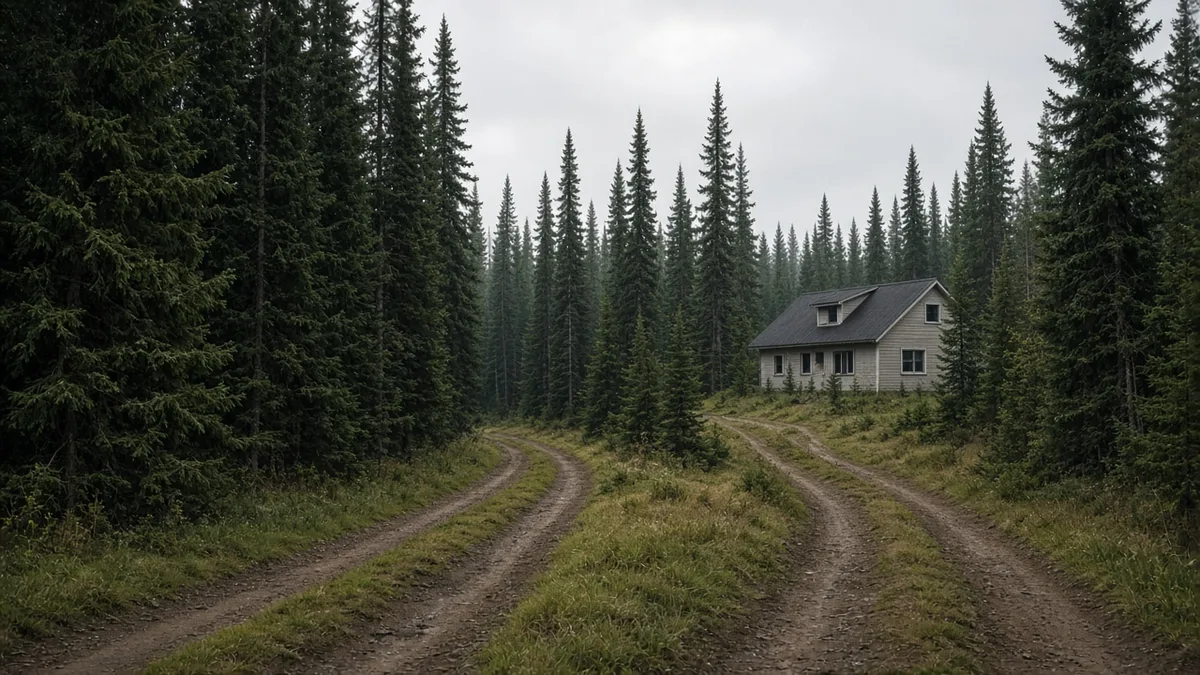
An Alaska prescriptive easement is a claim that use of someone else’s land has ripened into a right to keep using it. The use has to fit the rule that applies to that user. It is not a section-line easement. A section-line easement comes from statute and from the status of the land when the dedication attached. AS 19.10.010 dedicates a tract 100 feet wide between each section of land owned by the state, or acquired from the state, and a tract four rods wide between all other sections in the state. The section line is the center of that dedicated right-of-way. If the highway is vacated, title to the strip inures to the owner of the tract it came from in the original survey. Nobody has to drive it for the statute to speak. Driving it does not, by itself, prove the statute applies.
The Department of Natural Resources fact sheet on vacating section-line easements says the quiet part out loud. Not every section line has an easement. Existence depends on land status during the years the relevant laws were in effect. The width that does exist can be 33, 50, 66, 83, or 100 feet, because each side of the line can carry a different history. A surveyor, a title company, or a lawyer does that research when the status is messy. A beaten path is not the research. Alaska Home HQ is educational. It is not a law firm and it is not a lender. Rates vary. Subject to credit approval.
How an Alaska prescriptive easement is different from the section line
Use-based access is the other file. AS 09.45.052(c) says the uninterrupted adverse notorious use of real property by a public utility for utility purposes, for 10 years or more, vests an easement in that utility for that purpose. Subsection (d) says the uninterrupted adverse notorious use of private land for public transportation or public access, including highways, streets, roads, or trails, by the public, the state, or a political subdivision, for 10 years or more, vests an appropriate interest in the state or that subdivision. The use can include construction, management, operation, or maintenance. The same subsection says it does not limit or expand the rights a state or political subdivision had under adverse possession or prescription as that law stood on July 17, 2003.
Read the users in those sentences. A utility. The public, the state, or a political subdivision. The 10-year vesting language in the statute is written for those users. It is not a kitchen-table rule that a family trail between two lots in Palmer records itself on the tenth summer. A private driveway claim still has to be proved. Courts look for use that was open, notorious, adverse, and uninterrupted. Permission is the fact that usually kills “adverse.” A neighbor who said “go ahead until I sell” handed you a license. A license can end. An easement that runs with the land is a different instrument, and it is the one a later buyer can find in the recording.
A locked gate and a friendly wave are not the same fact. Neither one is a section line. The section line, when it exists, can sit in the alders with no road on it at all. DNR’s sheet says 33-foot and 66-foot section-line easements were acquired under R.S. 2477 whether or not a trail was ever built. Legal access and a grader are different machines. Buyers who need the distinction before they bid on raw ground can also read the vacant land checklist. Trust land sales say the same thing in their own procedures: a section line on a map is not a promise of a constructed road.
What a buyer can and cannot treat as proof
A recorded easement, a plat dedication, or a section-line determination a surveyor will sign is evidence you can hand to a title company. A stack of photos of a four-wheeler is a start on a story. The story becomes a right when a court says so, or when the owner signs and you record an easement that matches the path you actually use. The quiet title action page is the lawsuit that asks a judge to declare a right when the neighbor will not sign. Curing a misspelled deed will not create a driveway across a hostile lot. Do not send the photos to the recorder and call it done.
The path has to match the claim. A prescriptive claim, when it succeeds, is usually no wider than the use that proved it. It is not a blank check to widen the road, park a fleet, or cut a new ditch. A section-line dedication, when it exists, has the width the land status supports, which may be far wider than the two-track, and it is a public right-of-way rather than a private driveway for one house. Mixing those sentences is how a buyer tells a neighbor “the public owns 100 feet” on land where the research says nothing of the kind. The boundary survey dispute page is the fight about where the line is. The as-built survey page is the drawing of the house, the well, and the driveway against that line. Order the drawing before you waive anything.
There is a second prescription problem, and it runs the other direction. People block an existing easement and later claim the easement died. The Alaska Supreme Court, in Reeves v. Godspeed Properties, LLC (Opinion No. 7617, September 16, 2022), restated the test for that extinguishment claim: the party has to prove continuous, open, and notorious use of the easement area for a ten-year period, and the proof is clear and convincing. The opinion is on the legislature’s document server. A fence in the easement is not automatically a victory for the fence builder. It can be the start of a fight with a high burden of proof. It can also be a trespass in the easement you were supposed to leave open. Buyers inherit both ends. Ask whether anyone has gated, built, or farmed the strip you think is your access.
Title insurance reads what is recorded and what the commitment exceptions say. The title insurance guide is that policy. An unrecorded prescriptive story may show up as an exception, or it may show up after closing when the new neighbor locks the gate. Insuring a fee estate does not pave a trail and does not sue the neighbor. If access is the reason the parcel has value, access is a contingency, not a footnote.
A practical order for the file
Get the plat, the commitment, and a surveyor on the same path. Ask the surveyor whether a section-line easement is even a candidate, and ask title whether an easement is already insured. If the answer is “people have always driven there,” write down who granted permission and whether anything is recorded. If the answer is silence, price a new easement from the owner who can sign, or price a lawsuit, or buy a different parcel. A Permanent Fund Dividend can pay a surveyor. It does not ripen a use into an easement and it does not vacate a section line.
Vacation of a section-line easement, when one exists, is its own procedure. DNR’s fact sheet is about removing or moving that public right-of-way under a local platting authority, and it warns that the public loses the right to travel the route when a vacation goes through. That is the opposite of a private prescriptive claim. One is a statutory public strip you may be trying to clear off a lot. The other is a use you are trying to turn into a private or public right that was never dedicated. Do not file the wrong petition because both problems involve a road.
Sellers who have been crossing a neighbor’s lot need to fix it before they list, if the neighbor will cooperate. Buyers inside a short title period cannot invent ten years of proof in a weekend. The home buying contingencies page is the contract time. Use it. A friendly seller is not the neighbor. The neighbor is the one whose land the tires touch.
Thinking about buying? Getting pre-approved helps you know your budget before you start shopping. Premier Mortgage (NMLS# 1168048) can help.
Frequently Asked Questions
Is a prescriptive easement the same as a section-line easement?
No. A section-line easement, when it exists, is a public right-of-way tied to the survey line and to land status under AS 19.10.010 and the history DNR describes, while a prescriptive claim is based on use that meets the legal test for that user. One can exist with no road built, and the other can exist as a two-track with no section line under it. A survey tells them apart.
Does driving across a neighbor’s land for years create an easement?
Not by itself, and not because a section-line statute says so. Permission usually prevents the use from being adverse. The 10-year vesting rules written in AS 09.45.052(c) and (d) are aimed at utilities and at public access that vests in the state or a political subdivision. A private driveway still has to be proved, usually in court, or granted in a document you record.
Does every Alaska section line have a 100-foot easement?
No. AS 19.10.010 describes a 100-foot tract on certain state land and a four-rod tract between all other sections, centered on the line. DNR’s fact sheet says not every section line has an easement, and that the width, when one exists, may be 33, 50, 66, 83, or 100 feet depending on status on each side. Ask a surveyor to research the line you care about.
Can someone lose an easement by blocking it?
They can try. The Alaska Supreme Court has said a party claiming that prescription wiped out an easement has to prove continuous, open, and notorious use of that easement area for ten years by clear and convincing evidence. A gate or a fence is a fact in that kind of case. It is not an automatic erasure of a recorded easement, and it may be a violation of the easement instead.
Will title insurance cover a driveway that is not on the plat?
Only to the extent the policy says. If access is missing from the record, the commitment often exceptions it or requires a recorded easement before closing. Photos of past use are not a schedule in the policy. Read the exception, then decide whether you need a signed easement or a court judgment before you waive the title deadline.
Ready to Make Your Move?
Get pre-approved for your home loan first — it gives you a competitive edge. Need a listing agent? We can help.
Or call 9078411600 · or email contact@akhomehq.com
Disclaimer: This article is for informational purposes only and does not constitute financial, mortgage, legal, or tax advice. Interest rates, loan programs, eligibility requirements, and fees are subject to change without notice and may vary based on your individual circumstances. Alaska Home HQ is not a lender, broker, or financial institution. All loan applications are processed by Premier Mortgage (NMLS: 1168048). We may have a business relationship with Premier Mortgage and may receive compensation when you use their services through our links. Consult a licensed mortgage professional before making financial decisions. Terms of Service · Privacy Policy