Alaska Radon Test Before You Buy
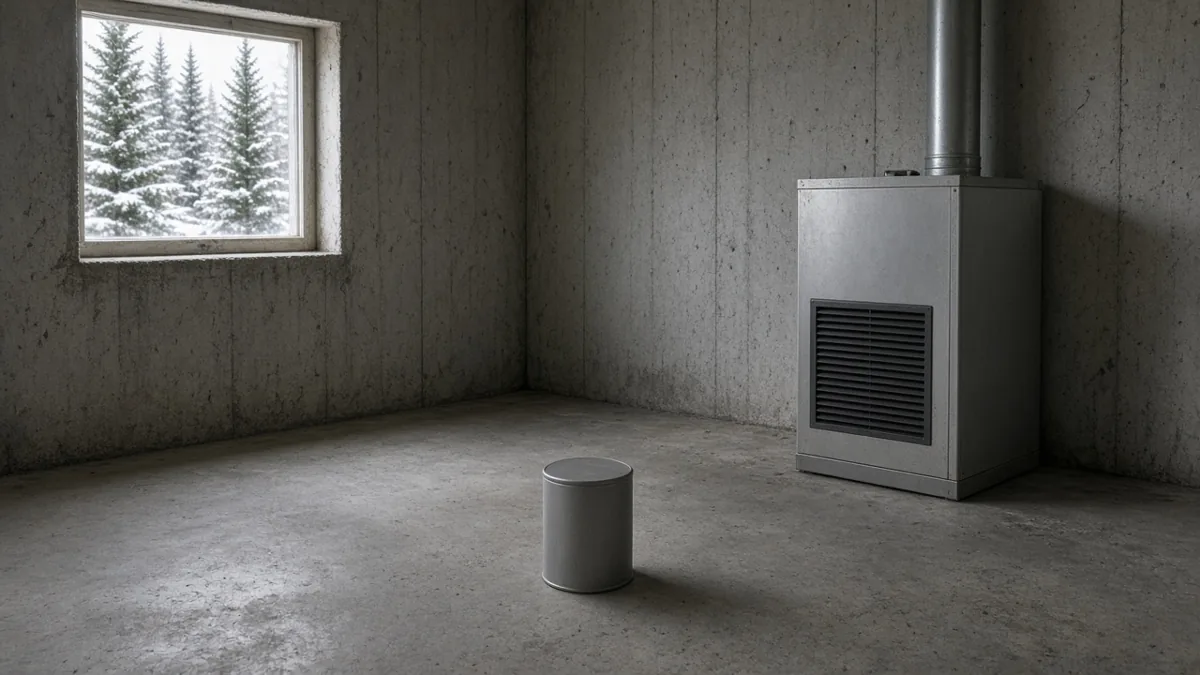
An Alaska radon test when buying a home measures a gas in that house. The appraisal measures value for the lender. They can happen in the same week. They answer different questions. A clean appraisal does not say the air is fine. A neighbor’s result does not predict yours.
The U.S. Environmental Protection Agency’s page on what the action level means says EPA recommends fixing a home if the radon level is 4 pCi/L or more. The same page says there is no known safe level, and that EPA recommends Americans consider fixing a home when the level is between 2 pCi/L and 4 pCi/L. Those figures are EPA’s national guidance. They are not a reading from an Alaska house, and they are not an Alaska zone number. This article does not assign the state, a borough, or a street a zone.
EPA’s Home Buyer’s and Seller’s Guide to Radon says buyers should know the indoor level in any home they consider. It says to ask the seller for prior results and, if a reduction system is installed, for information about that system. If the home has not been tested, the guide says to have it tested. It also says you cannot predict a home from state, local, or neighborhood measurements. Homes next to each other can differ. Testing is the way to learn the house you are buying.
Alaska Home HQ is not a lender and not a brokerage. Radon mitigation is a contractor’s job. A test result is a fact you negotiate or you live with. Nothing here promises a price cut or a fix for a stated dollar amount.
Where an Alaska radon test when buying a home fits
Put the test in the inspection period, on purpose. The home inspection guide is the general look at structure, roof, and systems. Radon is often ordered alongside that visit, and it is still its own test, with its own device and its own instructions. The home appraisal process is the lender’s value opinion. An appraiser is not running a radon lab. If the contract’s inspection contingency is the only window you have, start the radon test early enough that the result returns before the window ends.
The buyer’s guide aims its short-term advice at a purchase, where you cannot watch the house for months. It says to test the lowest level that could be used regularly, because a buyer may live lower than the seller did. A main-floor test does not describe a basement you plan to sleep in. The guide says to keep the device out of a closet, stairway, hallway, crawlspace, or a tight wet or high-airflow room. It lists kitchens, bathrooms, laundry rooms, and furnace rooms as examples. A qualified tester can pick the spot from how you will use the house.
Ask the seller what they already have. Before you accept an older test, the guide says to learn the result, who ran it, where the device sat, and what changed in the building or the heating system since then. A buyer may want a new test when the last one is old, when the reliable-test steps were skipped, or when the buyer will use a lower level. Start that test when the offer is accepted. A test on the last day of the inspection period is a late test.
How EPA describes a short-term test in a sale
The guide says radon levels vary from day to day and from season to season. A short-term test is less likely than a long-term test to show the year-round average. In a purchase, people need a faster answer. The guide says short-term devices stay in the home from two to 90 days, depending on the device, and that long-term tests stay more than 90 days. It also says every radon test should run a minimum of 48 hours, and that some devices need longer.
For a real estate decision, the guide lists three short-term options, each running at least 48 hours. Two passive tests can run at the same time in the same place. Or one short-term test can be followed at once by a second identical device in the same place. Or a continuous monitor can run alone. The guide says a sale test needs steps against interference: closed-house habits, tamper-evident seals, and a non-interference agreement the occupant can sign. A January result and a July result can both be real and still differ. Ask the tester how they want the house operated during the test.
The guide says to fix the home if the average of the two tests is 4 pCi/L or more, which matches the action-level page. Between 2 and 4, the action-level page says consider a fix, because EPA does not describe a known safe level. A single number on a kitchen counter kit, placed in the wrong room, is a weak thing to waive a contingency on. Follow the guide’s placement notes or hire a qualified tester. The guide says many states license or list radon professionals, and it points buyers to their state radon office for local lists and for any stricter state rules.
Well water can carry radon into a house, the guide says. On a well in the Mat-Su, the Kenai Peninsula, or the Interior, ask the tester whether they recommend a water test beside the air test. That question sits next to the usual well inspection. It does not replace the well inspection.
What you do with a result
Share the report with the seller inside the contingency. The guide says buyers and sellers should discuss timing and who pays if a reduction is on the table. EPA’s action-level page and the buyer’s guide both point to qualified mitigators for the work. Get a written estimate for this house. Foundation type, a crawlspace, a slab, and a finished basement change the job. Alaska Home HQ will not quote a typical price. The estimate is the price.
A system already in the house deserves its own questions. Ask for permits if a local office issued them, for the installer, and for any later test after the fan or the vent was added. The guide says even a house built with radon-resistant features should be tested after people move in. A pipe through the roof with the fan off is a fact, and a new test tells you what the air is doing now.
You can ask the seller to install a system, ask for a credit and hire the work after closing, or leave if the contingency allows it. The contract dates control. Ask the lender before a credit rewrites the price.
Keep the report with the house file. The guide encourages sellers to test before they list and to save the paperwork. A later buyer in Fairbanks, or in any other town, still needs a test of that house. EPA says neighborhood results do not predict the next house. This article publishes no Alaska zone number and no sample reading from a local home.
Winter timing and the loan calendar
Order the test when the inspection is ordered. Continuous monitors and lab devices both need the minimum time the guide describes, plus shipping if a canister goes to a lab. A result that arrives after you released the inspection contingency is a result you may have no contractual right to use. Build the mail time into the contingency length when you write the offer.
Tell the seller about both the appraisal visit and the radon test. Closed-house conditions can conflict with open windows during other work. The guide treats interference as a real risk in a sale. Ask the tester what closed means for those hours, and write that into the note for the occupant.
A Permanent Fund Dividend can sit in savings for a mitigation bid. It does not change EPA’s action level, and it does not replace the test. Know the house payment before the report becomes a negotiation line.
Sellers who already tested can hand the report over with the disclosure packet. Buyers can still ask for a new test under the guide’s reasons. A message through the contact form can start a loan conversation. It does not read a radon report and it does not name an agent.
Thinking about buying? Getting pre-approved helps you know your budget before you start shopping. Premier Mortgage (NMLS# 1168048) can help.
Frequently Asked Questions
Is an Alaska radon test when buying a home part of the appraisal?
The appraisal is the lender’s opinion of value. A radon test measures radon in the house. Order the test with the inspection timeline. Read the appraisal for value, and read the radon report for the gas result.
What level does EPA talk about?
EPA’s action-level page says to fix a home at 4 pCi/L or more, and to consider a fix between 2 pCi/L and 4 pCi/L, because it states there is no known safe level. Those figures are national guidance, a threshold for any home. They describe this house only when a test of this house produced them. This article assigns no Alaska zone.
Where should the device sit?
The buyer’s guide says to test the lowest level that could be used regularly, finished or not, in a room a buyer might use as living space. It says to avoid closets, halls, crawlspaces, and tight wet or high-airflow rooms such as baths and furnace rooms. A main-floor test does not describe a basement you plan to sleep in.
How long does a sale test take?
The guide says a test runs at least 48 hours, and that some devices need longer. For a purchase it describes three short-term choices: two tests at once, two tests back to back, or a continuous monitor, each path at least 48 hours. Short-term devices in general may stay from two to 90 days. Ask the tester which device they will use.
Can I use the neighbor’s result or a map?
The buyer’s guide says you cannot predict one home from state, local, or neighborhood results. Houses side by side can differ. Test the house you are buying, and keep the report for a later sale.
Ready to Make Your Move?
Get pre-approved for your home loan first — it gives you a competitive edge. Need a listing agent? We can help.
Or call 9078411600 · or email contact@akhomehq.com
Disclaimer: This article is for informational purposes only and does not constitute financial, mortgage, legal, or tax advice. Interest rates, loan programs, eligibility requirements, and fees are subject to change without notice and may vary based on your individual circumstances. Alaska Home HQ is not a lender, broker, or financial institution. All loan applications are processed by Premier Mortgage (NMLS: 1168048). We may have a business relationship with Premier Mortgage and may receive compensation when you use their services through our links. Consult a licensed mortgage professional before making financial decisions. Terms of Service · Privacy Policy