Shared Driveway Easement in Alaska
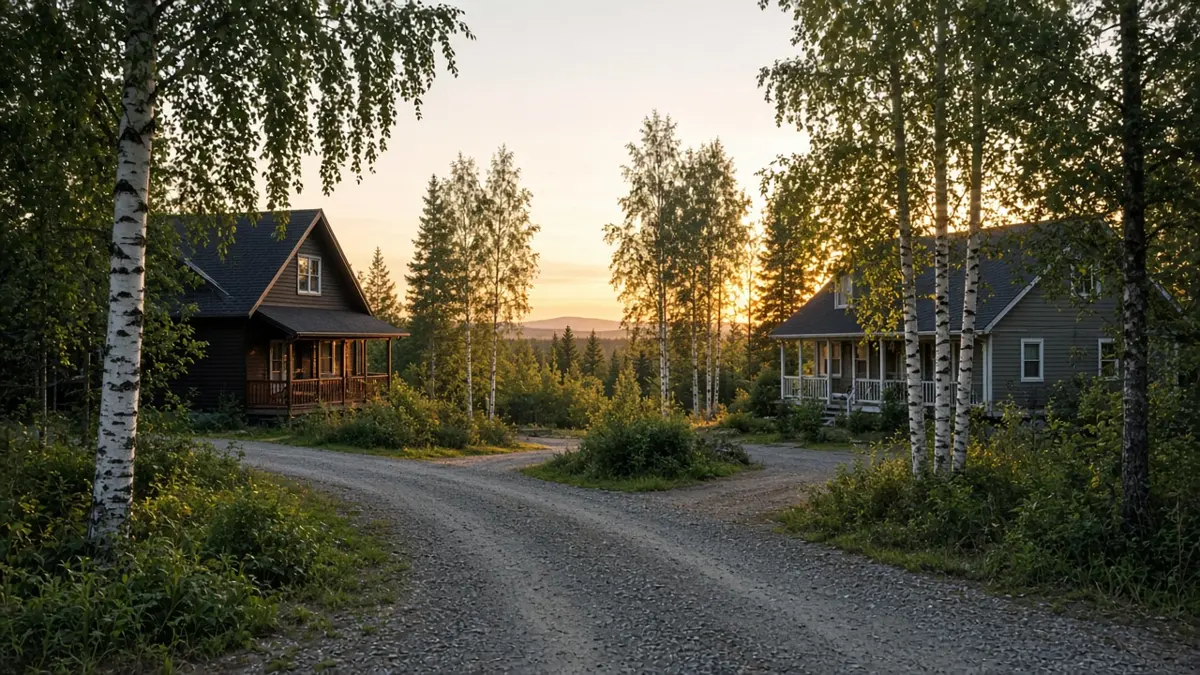
A shared driveway easement Alaska is one drive that serves two or more lots, with a recorded right that says who may use it and who must keep it up. Alaska Home HQ is educational. It is not a title company. A right people claim only because they have driven there for years is the prescriptive easement page. A section line on a map is the section-line page. This page is the recorded shared drive.
Read the easement, then look at the gravel
The easement document answers questions the listing will dodge. How wide is the right. Which lot is the burdened one. May you park on it or only pass. Who plows. Who pays for gravel. May the neighbor gate it. Is the easement exclusive or can the owner of the land under it use it too. “Shared driveway” in a listing is none of those answers. The recorded document is. Get it with the title commitment, not as a surprise at signing.
Then stand on the drive. The as-built survey shows whether the gravel is inside the easement or has wandered onto a third lot. A drive that works and sits outside the legal strip is a problem the day someone measures. A drive that matches the paper is the boring, good version. In the Wasilla and Palmer lots that were split from a larger parcel, the shared drive is often the old farm road. The split created the easement, or it forgot to. Forgotten is how people end up with a handshake and a title exception that says access is not insured.
If the commitment takes exception to access, stop and ask what it would take to insure it. An exception is the title company telling you they will not protect you on that point. You can sometimes clear it with a new easement the neighbor signs. You cannot clear it by continuing to drive the road. Budget the neighbor’s cooperation as uncertain. Some neighbors sign. Some ask for money. Some refuse.
Winter, breakup, and the loan
Plowing and breakup maintenance are where shared drives fail in real life. If the document is silent, the habit of the current owners is all you have, and habit changes when a house sells. Ask who plowed last winter and who paid. Spring breakup is the season the drive turns to mud. A shared drive with no culvert plan becomes a shared argument. Write the seller’s description into an email.
Lenders care when access is not insured or when the appraiser says the drive is inadequate. Many insured easements never draw a question. An uninsured one can stall the file the way a missing road does. Tell the lender early. Insurance on the house does not insure your right to reach the house. Those are different policies and different companies.
Parking is the daily fight. If the easement is for ingress and egress only, a neighbor’s boat stored on the drive may violate it, and your plan to widen a pad on their land may violate it too. Build parking on your own lot unless the document gives you more. A buyer who needs room for a work truck should measure the pad on the lot they are actually buying.
Do not waive title review on a shared drive. The commitment is short. The easement attached to it is the whole story. Read the attachment. If it refers to a plat, get the plat. The Anchorage bowl and the Valley both record these. The form is local. The need to read it is not.
Cost-sharing should be in numbers, not in neighborliness. If the document says equal shares, write down what last year’s gravel, the culvert, and the plow actually cost, and whether anyone is already behind. You are buying that receivable along with the view. If there is no document and no invoices, ask the seller to introduce you to the other owner before you waive inspection. A five-minute conversation in the drive tells you more than the listing. If the other owner will not talk, believe that.
Snow storage is part of the drive. A place to push snow that is on your lot is yours. A place to push snow that is on the neighbor’s lot needs permission or an easement term. Blocking the shared portion with a berm is how a legal easement becomes a winter fight. Look at where the snow would go in a heavy year, not in a light one. The Fairbanks pattern and the Valley pattern differ in depth and in how long the berms last. The legal question is the same.
If you plan a second dwelling or a shop that will add traffic, read whether the easement allows that use or only a single residence. More trips can be a breach even when the gravel looks wide enough. Tell the lender if the property is two dwellings. Occupancy and access get underwritten together. A mother-in-law unit the easement does not allow is not a bonus room the appraisal should count. Measure the drive at the narrow point, including in winter if you can, and compare it to the width in the document. A legal twenty feet that is twelve feet of gravel is what you will drive, and it is what a fire truck would use.
Lighting and a camera aimed at the shared drive can bother the neighbor and may violate the easement if you are installing on their land. Put fixtures on your lot unless the document allows more. A gate clicker shared among owners should have a plan for who rekeys it when a house sells. The seller’s old code is not a security plan. Change it at closing if you can, and give the other owner the new one the same day so you do not start ownership by locking them out.
Thinking about a lot on a shared drive, and want the loan to assume access is insured? Premier Mortgage (NMLS# 1168048) can tell you if the commitment’s access language is a problem for that program. Subject to credit approval.
Frequently Asked Questions
Is a shared driveway the same as a prescriptive easement?
No. This page is a recorded easement. A claim based only on years of driving is the prescriptive page, and it is a weaker thing to bring to a lender.
What if we have always shared the drive but nothing is recorded?
Then access may not be insured. Ask the title company what exception they will take and what document would remove it. A handshake does not bind the next owner.
Who pays to plow and gravel?
The easement says, or nobody said and you will argue. Get the seller’s account of last winter in writing. Silence in the document is not a promise that the neighbor will keep paying.
Can the neighbor block the drive with a gate?
Only if the easement allows a gate, and then only on the terms it states. Read it. A gate that stops your use can be a legal problem and a practical one in an emergency.
Ready to Make Your Move?
Get pre-approved for your home loan first — it gives you a competitive edge. Need a listing agent? We can help.
Or call 9078411600 · or email contact@akhomehq.com
Disclaimer: This article is for informational purposes only and does not constitute financial, mortgage, legal, or tax advice. Interest rates, loan programs, eligibility requirements, and fees are subject to change without notice and may vary based on your individual circumstances. Alaska Home HQ is not a lender, broker, or financial institution. All loan applications are processed by Premier Mortgage (NMLS: 1168048). We may have a business relationship with Premier Mortgage and may receive compensation when you use their services through our links. Consult a licensed mortgage professional before making financial decisions. Terms of Service · Privacy Policy