Aluminum Wiring and an Alaska Mortgage
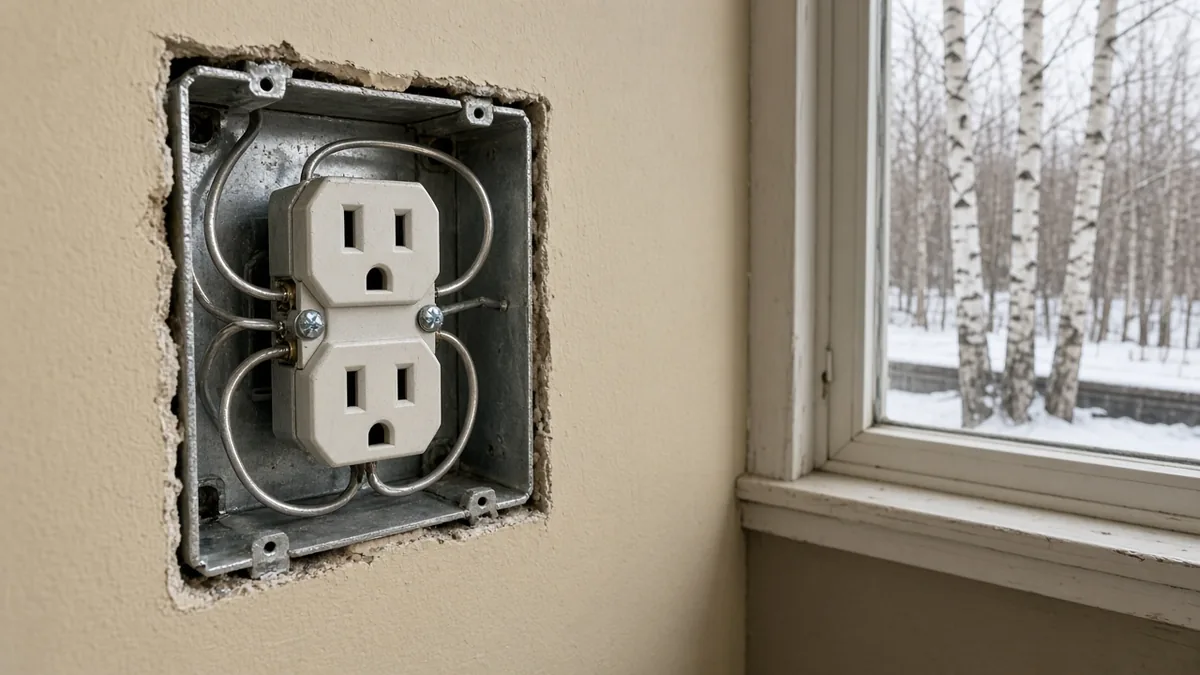
Aluminum wiring on an Alaska mortgage is a branch-circuit question in houses built during the Anchorage boom, when solid aluminum was used on ordinary 15- and 20-amp circuits. The hazard people worry about is at the devices, where aluminum meets a switch, a receptacle, or a fixture, not in the middle of an undisturbed run. The loan stalls when an insurer wants a repair method in writing, or when the appraiser sees damaged, overheating devices and conditions the report.
Alaska Home HQ is educational. It is not a lender and it is not the Consumer Product Safety Commission. Subject to credit approval. Knob-and-tube is a different wiring method, on the knob and tube page. A service change or a panel swap as a remodel project is the electrical upgrades guide. The heavier aluminum used for a service entrance, a range, or a dryer is outside the repair discussion below. This page stays on the small branch circuits.
Aluminum wiring and the Alaska mortgage file
The CPSC explains the branch-circuit problem and the repairs it recognizes in publication 516. The publication says the repair methods it describes do not apply to the larger aluminum used for service entrances, dryers, and ranges. It lists three permanent repairs for the hazardous connections on the smaller wire. One is replacing the aluminum branch circuits with copper. One is pigtailing with the COPALUM connector, which uses a special tool and a trained installer. One is the AlumiConn connector as the acceptable alternative when COPALUM is not available. The publication’s point is that the repair has to be permanent, not a twist-on connector used as a temporary fix.
That is a safety document. It is not, by itself, an FHA reject list. HUD Handbook 4000.1 tells the appraiser to report an electrical system that is not adequate, and to report frayed or exposed wiring. It tells the appraiser to condition the appraisal when systems look damaged or do not function. It does not, in that utilities section, name aluminum branch wiring as an automatic failure. Burned devices, warm plates, and flickering circuits are damage. Aluminum that is present and quiet may draw no appraisal condition at all, and still draw an insurance condition.
The homeowners insurance requirements explain the binder. Purchase loans generally need a policy. Carriers handle aluminum branch wiring in different ways. Some want one of the CPSC-described repairs before they bind. Some want an electrician’s letter that the connections have already been remediated. Some bind with the wiring as it is. The written quote is the only version that belongs in the file.
What an electrician’s letter needs to say
“Aluminum observed” is not a clearance. A useful letter says whether the branch circuits are aluminum, whether the service and the large appliance circuits were excluded from that finding, which repair was used if one was done, and whether every aluminum connection in the scope was included. CPSC’s publication is clear that a pigtail repair is meant to cover the connections, including outlets, switches, fixtures, and splices, not a single kitchen receptacle that looked scary.
COPALUM is not a connector a hardware store sells to a homeowner with a screwdriver. The publication describes it as a specific system installed with specific tooling. If the letter says COPALUM, the installer should be someone the carrier accepts as qualified to do that work. If COPALUM is not available in Alaska on the buyer’s timeline, AlumiConn is the alternative the publication names. A letter that describes a different connector should be shown to the carrier before anyone treats the repair as finished. The lender does not invent a fourth method.
The FHA minimum property standards checklist is the wider property list. Aluminum wiring becomes part of that list when the system is damaged or inadequate, or when the lender’s overlay asks for the electrician’s letter. Order the letter during the inspection period. An appraisal “subject to electrician certification” in the last week is how Anchorage closings slide into the next month, especially when electricians are booked with no-heat calls.
Anchorage houses, and what the era does and does not prove
The build-out years are a clue. A rambler from that era in Anchorage is more likely to have aluminum branch circuits than a house built a decade later. The year is not proof. Copper and aluminum both went into houses of the same age, and a later remodel may have replaced some circuits. The panel cover and a few open boxes tell more than the listing date. Single-strand aluminum on a lighting circuit is this article. A modern copper remodel with aluminum service conductors coming in from the mast is the service, which publication 516 sets aside.
A Federal Pacific panel can sit in the same house. The panel and the branch wire are separate conditions. Replacing the panel does not remediate aluminum connections at the receptacles. Pigtailing the receptacles does not answer a carrier who also refuses that panel. Photograph the panel directory and a representative box, and keep the invoices separate.
Buyers sometimes hear that aluminum “has to come out” before any Alaska loan. That is broader than the handbook, and it is broader than every carrier. It may be exactly what one carrier requires. Get the quote. If the quote requires a full copper rewire, the purchase contract is where the parties name who pays and whether closing waits on the work. A credit that leaves the connections untouched does not satisfy a binder that requires the repair first. There is no honest statewide price for the work. The bid is for that house, with the walls it actually has.
How to sequence the file
Inspection first, with the electrician in the same week if the inspector flags aluminum. Insurance quote second, shown the electrician’s findings. Lender conditions third, matched to those two documents. The appraiser samples. The electrician traces. Expecting the appraiser to certify the CPSC repair is the wrong assignment.
Permanent Fund Dividend savings sometimes pay for an electrical repair between contract and closing. The dividend is cash with a paper trail. It does not change what the carrier asked for. It only changes whether the buyer can fund the bid.
Rates vary and are subject to credit approval. When the electrician’s letter and the insurance quote agree, Premier Mortgage (NMLS# 1168048) can look at the loan against the house that will actually be insured.
Frequently Asked Questions
Does FHA reject aluminum wiring in Alaska automatically?
The current handbook tells the appraiser to flag electrical systems that are inadequate, exposed, damaged, or not functioning. It does not name aluminum branch wiring as an automatic reject in that utilities section. Burned devices are a repair condition, and quiet aluminum can still be an insurance condition. Either the binder or the appraisal can delay closing.
What repairs does the CPSC recognize for aluminum branch wiring?
Publication 516 describes three permanent approaches: replace the aluminum branch circuits with copper, pigtail with the COPALUM connector, or use the AlumiConn connector when COPALUM is not available. The publication says those methods are about the smaller branch wire, not the service, the range, or the dryer. A twist-on connector used as a shortcut is not the repair the publication is describing.
Does a new breaker panel fix aluminum branch circuits?
No, The panel is one box, and the branch circuits run to every device. A panel change can leave aluminum connections at the receptacles. If a carrier wants those connections remediated, the letter has to describe that work, not only a new panel. Keep the two invoices separate.
Will insurance companies bind a policy on aluminum wiring?
Some will, some want a documented repair first, and some decline. The written quote from the carrier you will use is the answer. A purchase loan generally needs that policy. Show the carrier the electrician’s letter before you schedule closing, so a last-minute decline does not land on the day the movers are booked.
Is aluminum wiring the same thing as knob and tube?
No, Knob-and-tube is an older method that uses cloth-covered conductors on porcelain. Aluminum branch wiring is cable with aluminum conductors, common in a later building era, including Anchorage’s build-out years. A house can have neither, either, or in rare remodels some of both. They produce different letters, and a clearance for one is not a clearance for the other.
Ready to Take the Next Step?
Get a free home loan quote today through our trusted partner.
Or call 9078411600
Disclaimer: This article is for informational purposes only and does not constitute financial, mortgage, legal, or tax advice. Interest rates, loan programs, eligibility requirements, and fees are subject to change without notice and may vary based on your individual circumstances. Alaska Home HQ is not a lender, broker, or financial institution. All loan applications are processed by Premier Mortgage (NMLS: 1168048). We may have a business relationship with Premier Mortgage and may receive compensation when you use their services through our links. Consult a licensed mortgage professional before making financial decisions. Terms of Service · Privacy Policy