Galvanized Pipes and an Alaska Mortgage
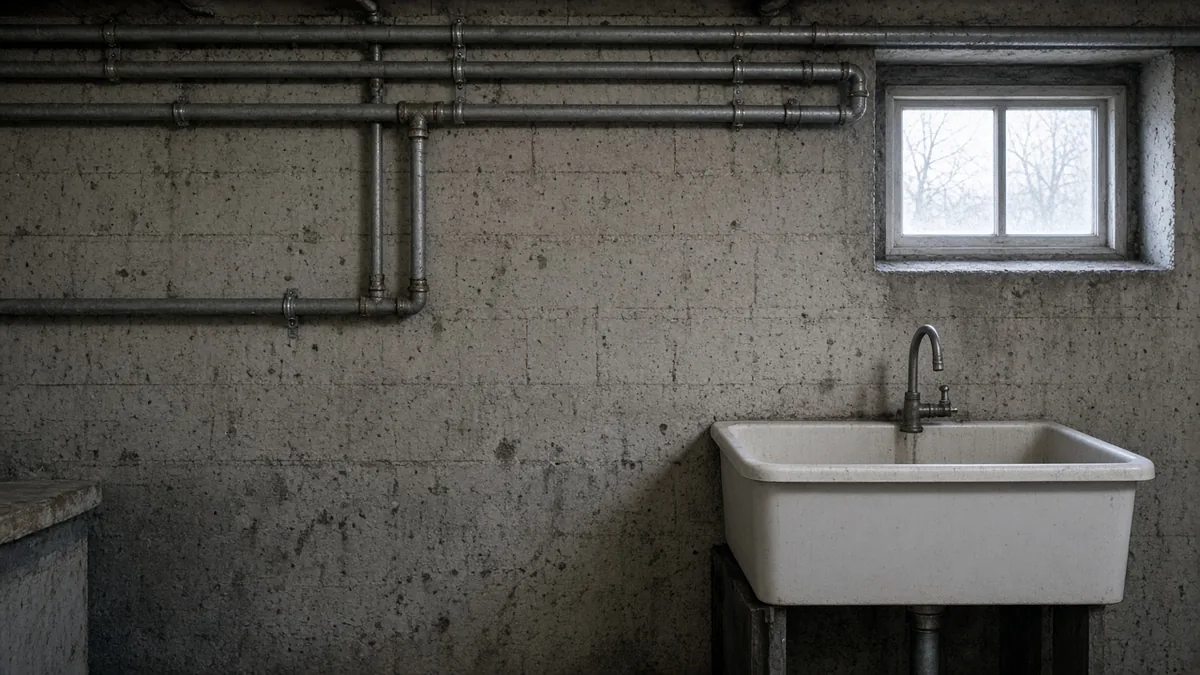
Galvanized pipes on an Alaska mortgage are the old threaded steel supply lines, coated in zinc, that still feed a lot of mid-century houses in Anchorage. They fail quietly. The inside of the pipe corrodes, the opening gets smaller, and the symptom is weak pressure or rusty water, not a label anyone can read from the sidewalk. The loan cares when the appraiser cannot say the plumbing supplies pressure and flow, or when a leak is obvious.
Alaska Home HQ is educational. It is not a lender. Subject to credit approval. Gray plastic supply lines from the late 1970s and 1980s are a different pipe, on the polybutylene page. A laboratory test of well water is a different report, on the well-water testing page. This page is the steel in the walls of an older city house, and whether the appraisal conditions the loan because of it.
Galvanized pipes on an older Alaska mortgage file
HUD Handbook 4000.1 tells the appraiser to notify the lender when the plumbing does not function to supply water pressure, flow, and waste removal. It tells the appraiser to condition the report when mechanical systems look damaged or do not function. The utilities section does not name galvanized pipe as an automatic reject. A house with old steel lines and strong, clear water at every fixture can pass that sentence. A house that dribbles rusty water at the hall bath cannot.
The appraiser is not a plumber. The report is a look at function, plus whatever is visible in a basement, a crawl space, or under a sink. Interior corrosion is invisible until someone cuts a pipe or the fixtures misbehave. That is why the inspection, not the appraisal alone, is where buyers learn how far the steel goes. The appraisal process explains what the appraiser is hired to do. The inspector is hired to open the conversation the appraiser may only sample.
The FHA minimum property standards checklist is the broader list. Galvanized pipe lands on it when function fails. A lender overlay can be tighter than the handbook and can ask for a plumber’s letter even when the appraiser did not condition the report. The overlay is the lender’s. Ask for it in writing so the repair scope matches a sentence, not a rumor.
What the water is telling you
Rusty or brown water, especially on the hot side or after the house has sat, is the classic complaint. So is a pressure drop when two fixtures run. Pinholes show up at threaded joints, often in a basement ceiling that was dry for years. A water heater full of sediment can imitate some of these symptoms. The plumber’s note should say whether the heater, the supply lines, or both are the source. Replacing the heater and leaving a restricted galvanized trunk in the wall does not fix the trunk.
City water and well water both run through this pipe. The lab report on a well is about what is in the aquifer. It does not measure whether the steel has closed up. A clear lab result and a rusty faucet can both be true. Keep the reports separate so nobody treats a water test as a plumbing clearance.
Partial replacements are the normal Anchorage story. A kitchen remodel in the 1990s got copper or PEX. The bathroom stacks stayed steel. The listing then says “updated plumbing,” which describes the kitchen. The inspection should map what is left, floor by floor. A mortgage condition that says “repair plumbing” is too vague to bid. A condition that says “restore adequate flow to the upper bath” can be bid.
Winter, vacant houses, and the second look
Anchorage listings in winter are often vacant, with the heat on and the water sometimes shut off at the street so a failed boiler does not flood the basement. Handbook 4000.1 tells the appraiser to note whether utilities were on, to ask that they be turned on, and, if they stay off, to complete the appraisal under an extraordinary assumption that the systems work. That assumption can be revisited. A pressure problem that nobody could see because the meter was off becomes a condition after the water is restored. Build that second look into the calendar before you release the inspection contingency.
Freeze damage is its own repair. A split galvanized line from a cold snap is not the same scope as replacing a whole house of restricted pipe. The invoice should name the material and the rooms. Buyers who agree to a credit “for plumbing” without a scope end up funding a drip repair when they thought they were funding a re-pipe, or the reverse.
Nobody publishes a fair statewide price for this work. A crawl space in an Anchorage bungalow and a two-story with finished walls are different bids. Get the bid before you negotiate the credit. A credit that is smaller than the bid does not clear a lender condition that requires the repair to be done.
What to put in the file
Useful paper is simple. The inspection naming galvanized supply lines and the fixtures that failed. Photos of threaded steel under sinks and in the basement. A plumber’s letter on pressure and on whether the lines need repair or replacement for the house to function. Any lender condition, quoted, so the scope matches it. An insurance binder if the carrier asked a question. Many carriers insure galvanized pipe that is not actively leaking. Some do not. The written quote is the fact, the same way it is for other old materials.
The purchase contract names who pays. If the lender wants the repair complete before closing, a credit that leaves the leak in place does not clear the condition. If the lender does not condition the pipe and the buyer still wants it replaced, that is a negotiation, not a loan requirement. Those are different conversations. Mixing them is how sellers think they are being asked to rebuild a house the appraiser already accepted.
When the plumbing note is clear, a loan quote is the financing step, not the repair step. Rates vary and are subject to credit approval. Premier Mortgage (NMLS# 1168048) can look at the appraisal conditions and the rest of the file together.
Frequently Asked Questions
Does galvanized plumbing automatically fail an Alaska FHA appraisal?
The FHA handbook requires plumbing that supplies water pressure, flow, and waste removal, and it tells the appraiser to condition the report when systems look damaged or do not function. It does not name galvanized pipe as an automatic reject. Weak pressure, active leaks, or water that shows the system is failing are the conditions that get written up. A lender can still ask for a plumber’s letter under its own overlay.
Is rusty water the same problem as a bad well test?
No, Rusty water from galvanized pipe is corrosion inside the steel, and a well test is a lab look at the source. A house on city water can run rusty with no well at all. A clean lab report can sit next to restricted steel in the walls. They are separate documents.
Will a kitchen re-pipe clear galvanized pipes in the rest of the house?
Only for the rooms that were actually replaced. Older Anchorage houses often have new supply lines at a remodeled kitchen and original steel everywhere else. The inspection should say which. A lender condition follows the fixtures that do not function, not the newest room in the photo gallery.
Can the seller give a credit instead of replacing galvanized pipes?
A credit works when the lender does not require the repair before closing and the buyer is willing to own the work later. It does not work when the appraisal or the lender conditions the loan on a completed repair. Match the contract to the written condition. Get a plumber’s bid before you agree to a dollar figure, because a statewide price for this work does not exist.
Does homeowners insurance refuse houses with galvanized pipe?
Some carriers ask questions, and many bind when there is no active leak. The answer that matters is the written quote from the carrier on this house. A galvanized line and a gray polybutylene line are different materials, and carriers do not treat them as the same conversation.
Ready to Take the Next Step?
Get a free home loan quote today through our trusted partner.
Or call 9078411600
Disclaimer: This article is for informational purposes only and does not constitute financial, mortgage, legal, or tax advice. Interest rates, loan programs, eligibility requirements, and fees are subject to change without notice and may vary based on your individual circumstances. Alaska Home HQ is not a lender, broker, or financial institution. All loan applications are processed by Premier Mortgage (NMLS: 1168048). We may have a business relationship with Premier Mortgage and may receive compensation when you use their services through our links. Consult a licensed mortgage professional before making financial decisions. Terms of Service · Privacy Policy