Polybutylene Pipes and an Alaska Mortgage
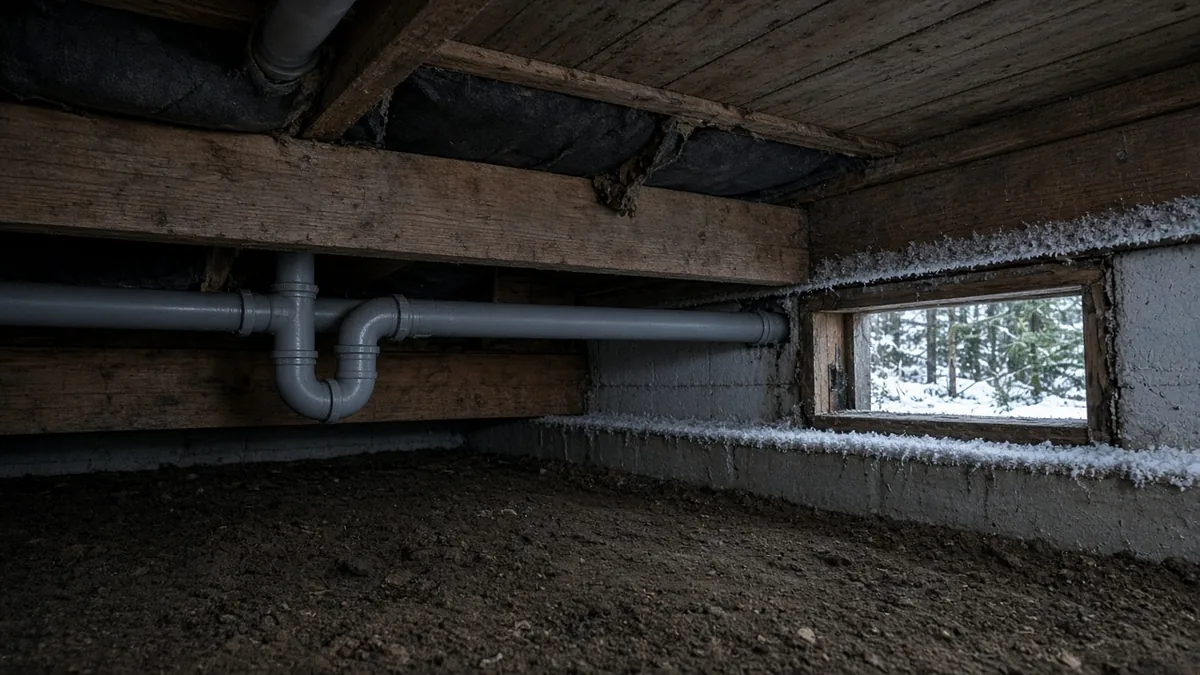
Polybutylene pipes on an Alaska mortgage are a closing problem more often than a listing problem. The pipe is a gray plastic supply line used in a lot of houses built from the late 1970s into the mid-1990s, including manufactured homes that landed in the Mat-Su Valley. It can look fine on a walkthrough and still stop the loan, because the insurer declines to bind or the appraiser sees a leak the seller had been living with.
Alaska Home HQ is educational. It is not a lender. Subject to credit approval. This page is about that plastic supply pipe. Galvanized steel is a different material, covered on the galvanized plumbing page. A whole-house plumbing overview lives on the plumbing guide.
How polybutylene pipes show up on an Alaska mortgage
The question in the file is narrow. Does the water system deliver pressure and flow without an active leak, and will a carrier issue a homeowners policy on the house as it sits. HUD Handbook 4000.1 tells the appraiser to notify the lender when plumbing does not function to supply water pressure, flow, and waste removal, and to condition the appraisal when a mechanical system looks damaged. The utilities section does not name polybutylene as an automatic reject. A dry system can still meet that sentence. A wet ceiling under a plastic joint cannot.
Insurance is the other gate. Purchase loans generally need a policy before the lender will schedule closing. Some carriers treat this pipe as a reason to decline a new binder, or to require replacement first. That decision is the carrier’s, and it can differ from the appraiser’s. A house can be “acceptable” on a property-standards reading and still have no policy. No policy, no closing. The homeowners insurance requirements page is where the binder itself is explained. This page stays on the pipe.
In the Wasilla and Palmer corridor, the houses most likely to have it are the ones built while the valley was filling in, plus manufactured homes set in those same years. A newer subdivision on a well and septic is a different era of materials. Age of the house is a clue, not proof. Copper, PEX, and this plastic all show up in remodels of the same decade, sometimes in the same crawl space.
What the pipe looks like, and what it is not
Supply lines are the pipes under pressure that bring water to fixtures. Drain lines are the ones that carry waste away by gravity. Polybutylene was a supply material. It is often gray. Some runs are blue. Fittings are commonly plastic, and the failures people talk about are at those fittings and at crimp rings, not in the middle of a straight run that nobody touches. A stamp on the pipe may say it is polybutylene. Paint, insulation, and a dark crawl space hide the stamp. An inspector with a light is more useful than a guess from the listing photos.
Galvanized pipe is metal, threaded, and usually older than this plastic. It rusts from the inside and throws rusty water. If the crawl space shows threaded steel, this article is the wrong one. If it shows flexible or rigid gray plastic on the cold and hot supply, stay here.
A water heater, a well pressure tank, and a hose bib can all be newer than the pipe in the walls. Sellers replace the equipment that leaks on a Tuesday and leave the branch lines. The inspection should say which material is still in the walls, which has been swapped to PEX or copper, and whether any joint is actively wet. Mixed systems are common. “Partial re-pipe” on a seller’s disclosure is not the same sentence as “all supply lines replaced.”
Why Alaska houses with this pipe stall in winter
Interior leaks do not always announce themselves in July. A joint that weeps when the house is hot and pressurized can look dry in a vacant listing with the water off. Handbook 4000.1 tells the appraiser, when utilities are off, to ask that they be turned on, and to complete the mechanical review once they are. If that is not feasible, the report is built on an extraordinary assumption that the systems work, with a note that a later look may add repairs. A vacant Mat-Su house in November, with the well pump off so the pipes do not freeze, is exactly that situation. The second look is where the stain shows up.
Freeze breaks are a separate event. Any supply line can split if a house loses heat. A split copper line and a failed plastic fitting are different repairs, and the invoice should say which one the plumber actually found. Buyers who treat every winter leak as “the polybutylene” end up arguing about the wrong pipe.
There was a national class settlement over this material years ago. It is closed. It does not write a check on a purchase happening now. A seller who mentions the settlement is describing history, not a credit at the closing table.
What the loan file usually asks for
Three people write three different notes.
The inspector names the material and any wet spots, soft subfloor, or stained cabinet. That report is for the buyer. It is not, by itself, the lender’s condition list.
The appraiser reports whether the plumbing functions, and conditions the report when it does not. A functioning system with this pipe in the walls may draw no repair requirement from the appraiser. A leak does. The FHA minimum property standards checklist is the broader habitability list. This pipe is one line on it only when the system is actually failing or the lender’s overlay says otherwise.
The insurance underwriter may ask for the inspection, photos, and a plumber’s letter before binding. Some want the supply lines replaced. Some bind with a limitation. Some decline. The only version that belongs in the file is the written one from the carrier the buyer intends to use. A verbal “we usually insure those” from a cousin in the trade is how files slip a week.
A manufactured home adds a second stack of paper that has nothing to do with the color of the pipe. Labels, data plates, and foundation are the manufactured home financing topic. A missing exterior tag does not tell you the pipe is bad, and a new PEX re-pipe does not create a missing HUD label. Keep the invoices in separate folders so the underwriter can see which condition each document answers.
How buyers and sellers put it in the contract
The purchase agreement is where someone agrees to pay for a re-pipe, a spot repair, or neither. A lender condition that says “repair leak at hall bath supply” is not a bid. The bid comes from a plumber who has seen the crawl space. Alaska bids in shoulder season move slowly, because the same crews are winterizing houses and chasing freeze-ups. A closing date that assumes a whole-house re-pipe in ten days is a hope, not a schedule.
Spot repairs make sense when one fitting failed and the rest of the visible system is dry, and when the carrier will bind on that scope. Whole-house replacement makes sense when the carrier requires it, or when several joints are wet and the walls are already open. Neither scope is a rule of thumb with a statewide price. The number is the written bid for that house.
Seller credits and repair escrows are contract tools. They do not override a lender who wants the leak stopped before documents are drawn. If the carrier wants the pipe gone before it will bind, a credit that leaves the pipe in place does not solve the binder. Match the contract to the condition that is actually blocking the file.
A quote on the loan itself comes after the property story is clear. Rates vary and are subject to credit approval. Premier Mortgage (NMLS# 1168048) can look at the house, the inspection, and the insurance note together.
Frequently Asked Questions
Do polybutylene pipes automatically fail an FHA appraisal in Alaska?
The FHA handbook judges plumbing by whether it supplies pressure and flow and whether it is damaged or leaking. It does not, in the utilities section, name this plastic as an automatic reject. A leak or a system that does not function is a repair condition. A carrier can still decline to insure the house, which stops the loan even when the appraiser does not call a repair.
Can a lender close if the insurer will not cover polybutylene pipes?
A purchase file generally needs a homeowners policy in place. If the carrier the buyer chose will not bind until the supply lines are replaced, the closing waits on that work or on a different carrier who will bind in writing. A verbal exception does not go in the file. The binder is the document the lender is waiting on.
Are polybutylene pipes common in Mat-Su manufactured homes?
They show up in manufactured homes and site-built houses from the late 1970s through the mid-1990s, which includes a lot of valley housing. The year on the title is a clue, not a diagnosis. The inspection has to say what material is actually in that house, because remodels often replaced only the easy runs.
Does a national polybutylene settlement still pay for a re-pipe?
The national class settlement over this pipe closed years ago. It does not fund a repair on a sale happening now. The people who pay are the ones the purchase contract names, or the buyer after closing if the lender and the carrier allowed the pipe to stay. Ask for the bid before you agree to a credit, so the credit has a number behind it.
Will a spot repair satisfy the mortgage file?
It can, when the only defect is a single wet joint and the carrier agrees to bind after that joint is repaired. It will not, when the carrier’s written condition is a full supply replacement. Read the condition. Then match the plumber’s scope to that sentence, not to a general fear of the material.
Ready to Take the Next Step?
Get a free home loan quote today through our trusted partner.
Or call 9078411600
Disclaimer: This article is for informational purposes only and does not constitute financial, mortgage, legal, or tax advice. Interest rates, loan programs, eligibility requirements, and fees are subject to change without notice and may vary based on your individual circumstances. Alaska Home HQ is not a lender, broker, or financial institution. All loan applications are processed by Premier Mortgage (NMLS: 1168048). We may have a business relationship with Premier Mortgage and may receive compensation when you use their services through our links. Consult a licensed mortgage professional before making financial decisions. Terms of Service · Privacy Policy