Mold Remediation Mortgage Alaska
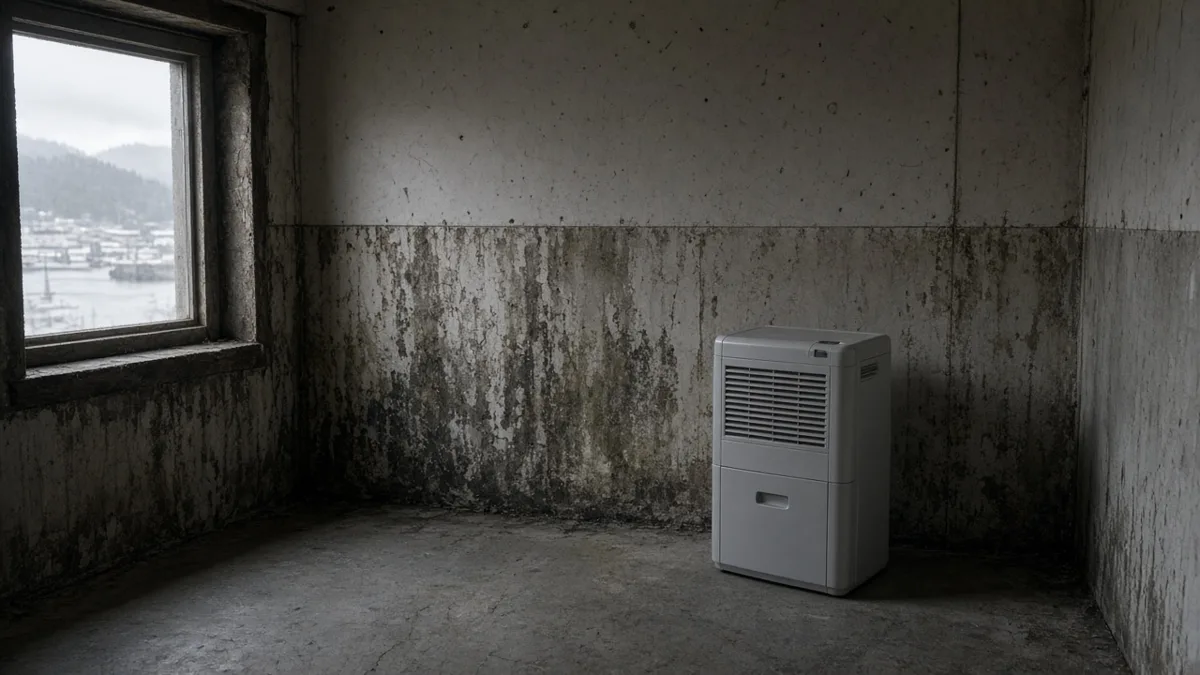
A mold remediation mortgage Alaska file pauses when the appraiser, the inspector, or the insurer writes that growth is active and someone has to show it was removed and the wet source was fixed. Alaska Home HQ is educational. It is not a lender, an industrial hygienist, or a remediation contractor. Subject to credit approval. Rates vary. A radon air test is the radon page. Vermiculite in an attic is the vermiculite page. This page is only visible mold the loan will not ignore.
What the report actually says
HUD Handbook 4000.1 tells an FHA appraiser to report conditions that affect safety and soundness. It does not publish a sentence that says one square foot of mold fails a loan and two square feet pass. The sentence that matters is the one on the report in front of you. “Staining, monitor” is not the same comment as “active microbial growth, subject to remediation and a clear reinspection.” Conventional files are not automatically softer. The investor and the insurer still read the photos.
In Juneau and other wet towns, a basement or a crawlspace that smells like a closed cabin in August is common. Smell is not a measurement. Photos of the lower drywall, the rim joist, and the dirt floor are the record. The home inspection checklist is where this usually surfaces before the appraiser walks in. If the inspection names mold and the appraisal is silent, send the inspection photos to the loan file anyway. Silence is not a finding that the wall is clean.
Do not paint over it the weekend before the appraiser returns. Paint is not remediation. A reviewer who sees fresh paint at the bottom of a basement wall, with no invoice behind it, will ask what was covered. Bleach on drywall that stays wet does the same job. It changes the color and leaves the leak.
The leak and the cleanup are two documents
Remediation without a fixed source comes back. A roof leak, a failed bathroom fan, a crawlspace with no vapor barrier and standing water, and an ice-dammed eave are different repairs. The invoice should say what was removed, what was cleaned, and what was done so the material stays dry. A one-line receipt that says “mold treatment” is a weak exhibit. A letter that says the growth was removed, the wet drywall was cut out, and the leak was repaired, with photos after the work, is the exhibit underwriters are used to reading.
Who pays is a contract term. Seller credit, seller-hired contractor, or buyer credit after a bid. Name it before the work starts. A buyer who pays for a cleanup and then loses the house has spent money the contract did not protect. If the growth is behind a shower in a house you already own and this is a refinance, the same photos and the same invoice still go in the file. Refinance does not skip the condition. It only changes who is surprised.
Carriers differ. Some bind with a clear letter and a dehumidifier in the photo. Some want the affected material gone and a reinspection. Get the quote in writing with the words “active mold noted on the inspection dated …” so the agent is not binding a different house than the one in the report. The loan needs a binder the lender will accept, in force at closing.
What not to promise
Alaska Home HQ will not tell you a house is safe to live in, and it will not tell you a clearance test is required. Some files close on photos and an invoice. Some ask for an air sample. The condition on the commitment is the list. A blog is not that list. If someone in the household has a health worry, that is a doctor and a qualified indoor-air person, not a loan officer.
A kitchen remodel that opens a wet wall can discover the mold the listing never mentioned. Build that chance into the inspection, not into the week of closing. Buyers in Anchorage see this in older crawlspaces and in additions that were dried poorly. The age of the house is a hint. The photo is the finding.
Keep the wet source and the cleanup in separate paragraphs of the invoice so a reviewer does not think a roof patch was a mold job or the reverse. If the crawlspace needs a vapor barrier and the bathroom needs a fan, those are repairs with part numbers a contractor can name. Ask for photos of the open wall before the new drywall goes on, and photos after. A single after photo of painted drywall does not show that anything was removed. Store the set with the house papers. The next appraiser, the next insurer, and you in five years will want the same file.
If you already own the house and this is a refinance, schedule the work before the appraiser, not after the condition lands, when you can. A condition issued in underwriting restarts the calendar and can expire a rate lock. A clean report the first time is cheaper than a trip fee for a reinspection. In a Juneau refinance, winter is a hard time to dry a wall. Plan the fan and the leak before the rain season if you know the stain is there.
If the contractor recommends a clearance inspection or an air sample, decide in writing whether you are buying that test. Not every file requires it. Ordering it and then ignoring a bad result is worse than not ordering it. Share the result with the lender if the condition asked for a clean report. A result you dislike does not stay private once you asked for it in a loan file.
A dehumidifier in the photo is not a repair. It is a machine that helps after the leak is gone. If the invoice is only a dehumidifier and a spray, ask what was done to the wet source. Underwriters who have seen stain-and-paint jobs look for the source. Give it to them in the first package so the condition does not come back as a second request a week later.
Ready to see what a mold comment does to a specific file? Premier Mortgage (NMLS# 1168048) can read the condition with you. Subject to credit approval.
Frequently Asked Questions
Will a mortgage fund if the appraiser notes mold?
Often not until the growth is removed, the source of water is fixed, and someone documents that work. The exact words on the appraisal decide the condition. Paint over the stain is not the document.
Is a radon test the same issue?
No. Radon is an air test and has its own page. Mold on this page is growth someone can see or photograph, usually tied to a leak or a wet crawlspace.
Who pays for the cleanup?
Whoever the purchase contract names. Agree on seller, buyer, or a credit before the contractor starts. A refinance is your invoice.
Does every Alaska basement fail for mold?
No. A dry basement with no growth is not this condition. Wet climate is not a finding. The report and the photos are the finding.
Ready to Take the Next Step?
Get a free home loan quote today through our trusted partner.
Or call 9078411600
Disclaimer: This article is for informational purposes only and does not constitute financial, mortgage, legal, or tax advice. Interest rates, loan programs, eligibility requirements, and fees are subject to change without notice and may vary based on your individual circumstances. Alaska Home HQ is not a lender, broker, or financial institution. All loan applications are processed by Premier Mortgage (NMLS: 1168048). We may have a business relationship with Premier Mortgage and may receive compensation when you use their services through our links. Consult a licensed mortgage professional before making financial decisions. Terms of Service · Privacy Policy