Vermiculite Insulation Mortgage Alaska
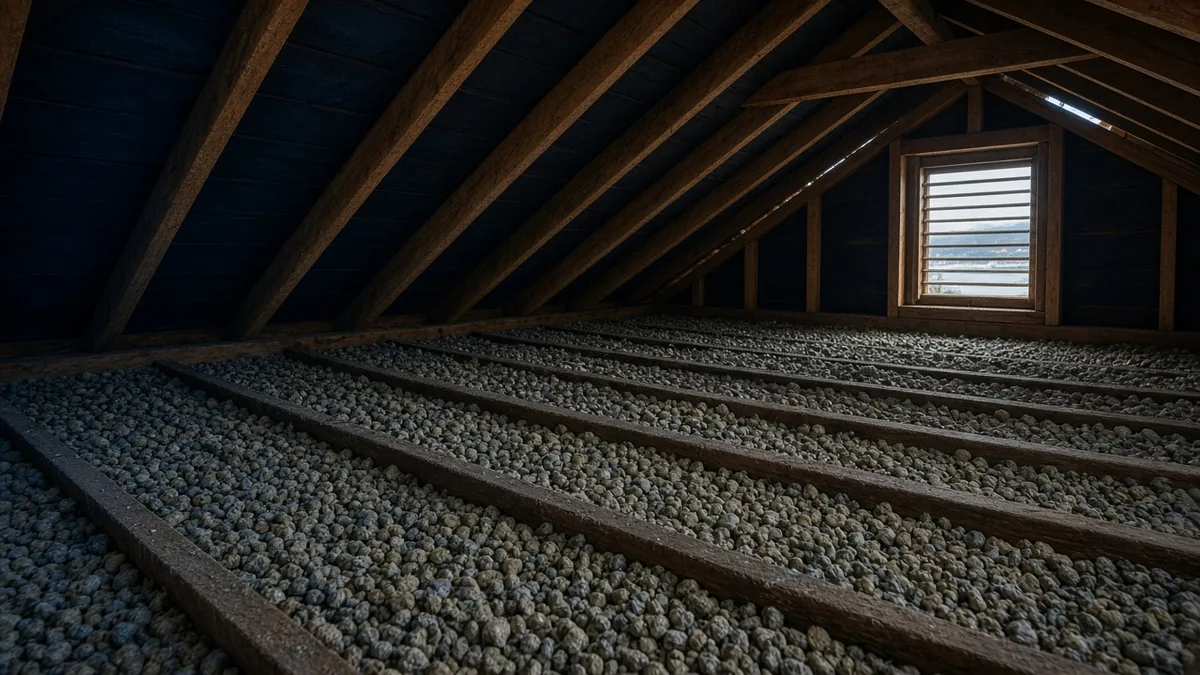
Vermiculite insulation mortgage Alaska files start in the attic, when the appraiser or the inspector sees loose pebble-like fill between the joists. Vermiculite is a mineral insulation. Some of it, especially ore that came from a mine near Libby, Montana, may contain asbestos. The U.S. Environmental Protection Agency tells owners to assume vermiculite insulation may be contaminated and to leave it undisturbed. That is a possible asbestos-containing material. It is not a lab result, and it is not automatic proof that asbestos is present.
Alaska Home HQ is educational. It is not a lender, an asbestos contractor, or an industrial hygienist. Subject to credit approval. A radon air test is a different inspection, on the radon page. How much insulation a house needs is the insulation guide. This page is only the attic material an appraiser flags, and what that flag does to a loan on an older house in a place like Juneau.
When vermiculite insulation mortgage Alaska reviews stall
HUD Handbook 4000.1 tells the appraiser to report conditions that affect safety and the soundness of the house. It does not publish a sentence that says “vermiculite equals a failed appraisal.” The living question is what the appraiser writes in the comments, and what the insurer does with the same photos. Some reports note “possible asbestos-containing insulation, left in place.” Some come back subject to further inspection. Some say nothing, because the appraiser did not go into a tight attic. The comment that is actually on the report is the one underwriting reads.
EPA’s advice is to treat the material as if it may contain asbestos until a qualified person says otherwise, and to avoid stirring it up. Sampling vermiculite is its own problem. EPA has said bulk methods have limits with this material, which is why the practical instruction is to assume it may contain asbestos rather than to treat a single negative scoop as a clean bill. A buyer who bags a handful and mails it to a lab has disturbed the insulation and may still not have an answer a lender will rely on.
The home inspection checklist is where this usually surfaces before the appraisal. Inspectors in Southeast see the fill in older attics, sometimes under a later layer of fiberglass. The later layer does not erase the vermiculite. It hides it, and it gives someone a reason to crawl through it. Photos of the pebble fill, taken without raking it, are the useful record. A sentence in the inspection that says “old insulation” is not.
What to leave alone, and what a contractor letter covers
EPA recommends that vermiculite stay undisturbed, that storage and foot traffic stay off it, and that removal, if anyone chooses removal, be done by a trained asbestos abatement contractor who is separate from the person who assessed the material. Common dust masks are not the control EPA describes for this work. A weekend cleanup that vacuumed the attic into the living space is a worse file than an attic nobody entered.
A lender who conditions for “asbestos clearance” is asking for a document. The useful letter says whether vermiculite is present, whether it was disturbed, and whether any removal was completed by someone qualified to do that work. A letter that says “no asbestos found” without saying what was sampled, and without saying the material is vermiculite, is a different letter. If the plan is to leave the fill in place, the letter should say that, and the insurer should see the same sentence. Carriers differ. Some bind with the material undisturbed and documented. Some want it gone before they will quote. The written quote is the fact.
Juneau rain and a vented attic are a hard pair. Moisture and a loose fill are not the same defect as asbestos, and they can sit in the same joist bay. If the inspector notes both wet sheathing and vermiculite, keep the notes separate. A roof leak is a roof scope. The pebble fill is this page. Fixing the leak by sending a crew through the vermiculite, without a plan for the fill, is how a small repair becomes an abatement.
Appraisal, insurance, and the work someone wants to do later
The FHA minimum property standards checklist is the wider habitability list. Vermiculite becomes a line on that list when the appraiser treats it as a safety condition or when debris from it is in the living space. It does not become a line merely because a buyer recognizes the pebbles from a photograph online. If the report is silent and the inspection is not, send the inspection photos to the loan file anyway. Silence is not a finding that the attic is fiberglass.
Renovation plans change the analysis. A kitchen fan, a recessed light, or a new stack through the ceiling disturbs the bay above it. EPA’s instruction for renovation that would disturb vermiculite is to hire people trained to handle asbestos. A purchase contract that includes “seller to install can lights” can be an abatement project wearing a small-job name. Read the scope before anyone cuts the ceiling.
Leaving the material in place is a common outcome, and it is not the same as forgetting it. The next owner, the next insurer, and the next appraiser will see the same attic. A one-page note in the house papers, with photos and the contractor’s recommendation to leave it alone, is the file that travels. A note that says the attic was “remediated” when the fill is still there will fail the next pair of eyes.
Rates vary and are subject to credit approval. When the inspection photos and a written plan, leave-in-place or abatement, are in hand, Premier Mortgage (NMLS# 1168048) can look at whether the loan matches the house the insurer will actually bind.
Frequently Asked Questions
Does vermiculite insulation mean the house has asbestos?
It means the material may contain asbestos. EPA tells owners to assume vermiculite insulation may be contaminated, particularly where the ore came from the Libby mine, and to leave it undisturbed. A visual match is not a laboratory result. It is also not a reason to treat the attic as ordinary cellulose and rake it around.
Will FHA reject a house because the attic has vermiculite?
The handbook does not name vermiculite as an automatic rejection. The appraiser reports safety and soundness conditions the way the report form asks. Some files close with the fill left in place and documented. Some are conditioned for a specialist’s letter or for removal. The sentence on the appraisal, and the insurer’s quote, are the two answers that matter.
Can the seller just cover vermiculite with new insulation?
A new layer on top does not remove what is underneath, and it can hide the pebbles from the next inspector until someone steps through. If the contract says the attic will be reinsulated, say whether the vermiculite stays and who is allowed to disturb it. Covering it is not the same document as an abatement clearance.
Is a radon test a substitute for dealing with vermiculite?
No. A radon test measures a gas in the air. Vermiculite is a solid insulation that may contain asbestos. The radon page is the air test. This page is the attic fill. Order the test the inspection actually calls for, and keep the reports separate so underwriting does not treat one as the other.
Who pays if the lender wants the vermiculite removed?
The purchase contract names who pays. Removal, if it happens, belongs with a trained abatement contractor, and EPA recommends that contractor be independent of the person who assessed the material. A credit that leaves a disturbed attic, with fill tracked into the hallway, is a worse condition than the one the parties started with. Get the scope and the insurer’s requirement in writing before the inspection period ends.
Ready to Take the Next Step?
Get a free home loan quote today through our trusted partner.
Or call 9078411600
Disclaimer: This article is for informational purposes only and does not constitute financial, mortgage, legal, or tax advice. Interest rates, loan programs, eligibility requirements, and fees are subject to change without notice and may vary based on your individual circumstances. Alaska Home HQ is not a lender, broker, or financial institution. All loan applications are processed by Premier Mortgage (NMLS: 1168048). We may have a business relationship with Premier Mortgage and may receive compensation when you use their services through our links. Consult a licensed mortgage professional before making financial decisions. Terms of Service · Privacy Policy